
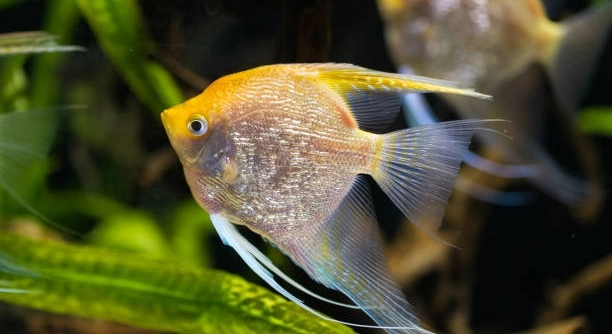
Angelfish are a popular choice for many aquariums, but it can be concerning when they start biting their fins. This behavior often raises questions about their well-being. If you’re noticing this with your angelfish, you’re not alone.
Angelfish may bite their fins for several reasons, including stress, boredom, poor water quality, or even a sign of aggression. Sometimes, it may also indicate a health issue or improper tank conditions. Understanding these factors can help resolve the problem.
Exploring the root causes of this behavior can provide valuable insight into how to improve your angelfish’s environment. From tank maintenance to social interactions, there are steps you can take to ensure their health and happiness.
Stress and Anxiety in Angelfish
Angelfish are sensitive creatures and can become stressed due to a variety of reasons, including changes in their environment, overcrowded tanks, or incompatible tank mates. When stressed, angelfish may exhibit unusual behaviors, such as biting their fins. This is often a sign that they’re not feeling comfortable or safe in their surroundings.
Stress can stem from sudden water temperature changes, loud noises, or being kept in tanks with aggressive fish. It’s essential to create a peaceful and stable environment to help prevent your angelfish from feeling anxious. Consider introducing plants or hiding spots for them to retreat to if they need a break from the action.
Proper tank size is also important. Angelfish thrive in larger tanks where they have space to swim and explore. Keeping them in a small tank can make them feel trapped and anxious, which may lead to aggressive behaviors like fin biting. If you notice signs of stress, assess their tank environment and make necessary adjustments. This will not only improve their behavior but also promote their overall health and well-being.
Poor Water Quality
Water quality plays a major role in the health of angelfish. When the water is polluted, it can irritate their skin and fins, causing them to nibble or bite at themselves in response.
To keep your angelfish healthy, monitor the tank’s water parameters regularly. This includes checking the pH level, ammonia, nitrites, and nitrates. Poor water quality can also weaken their immune system, making them more susceptible to infections. Regular water changes and the use of a good filtration system are crucial for maintaining clean water. By ensuring optimal conditions, your angelfish will feel more comfortable and less likely to engage in destructive behaviors.
Boredom or Lack of Stimulation
Angelfish are intelligent and active fish that need mental and physical stimulation to stay healthy. If they’re not provided with enough activities, they may start to bite their fins out of boredom.
A lack of stimulation can lead to repetitive behaviors, which often manifest as fin biting or chasing their own reflection. To keep your angelfish entertained, consider adding objects like plants, rocks, or decorations for them to interact with. Additionally, you might want to rotate toys or introduce new tank mates to create a more dynamic environment. Keeping them mentally and physically engaged will help reduce any unwanted behaviors, including biting.
Providing a more stimulating environment can also help angelfish develop better social behaviors. A well-structured tank setup promotes a happier and healthier lifestyle, reducing their stress and the chances of fin biting. It’s important to remember that these fish, like all pets, need both physical and mental care to thrive.
Aggression from Other Fish
Angelfish are known to be territorial, and they can become aggressive if they feel threatened by other fish. In some cases, this aggression can result in fin biting or damage. If you notice your angelfish targeting specific tank mates, it’s a sign of aggression.
Aggressive behaviors may occur if there are too many males in the tank or if there is a lack of hiding spaces. When angelfish feel like their space is being invaded, they may bite their fins or even chase after other fish. To help reduce aggression, it’s best to keep the tank population balanced and make sure there are plenty of hiding spots. Adding plants, rocks, or caves can help create territorial boundaries, giving angelfish places to retreat to when they need space.
In addition, pay attention to the size of the fish in your tank. Larger fish can intimidate angelfish, while smaller fish may get too close for comfort. By carefully selecting tank mates and providing enough space, you can help prevent aggressive behavior and fin biting.
Illness or Parasites
Angelfish may start biting their fins if they are dealing with an illness or parasites. Common issues include fin rot, external parasites, or fungal infections. These conditions cause discomfort, and the fish may nibble on themselves in an attempt to ease irritation.
If you notice signs like faded or frayed fins, unusual growths, or visible sores, it’s essential to address the issue quickly. Keeping the water clean and isolating affected fish in a quarantine tank will help prevent the spread of illness. You may also need to treat your fish with medication or consult a vet to determine the best course of action for recovery.
Treatment is crucial to prevent the spread of infection to other fish. Many fish diseases, especially parasites, can be contagious. Early detection and proper care are key to ensuring your angelfish recovers and stops biting their fins. Don’t hesitate to act if you see any signs of illness.
Poor Diet
A lack of proper nutrition can cause angelfish to become weak or malnourished, leading to behaviors like fin biting. Angelfish need a balanced diet that includes protein, vitamins, and minerals. Without these nutrients, their immune system weakens, and they become more susceptible to stress and disease.
Make sure your angelfish are receiving a variety of foods. High-quality flakes, pellets, and occasional live or frozen foods like brine shrimp or bloodworms can help improve their health. A poor diet can also cause other health issues, including fin rot and poor coloration. By providing proper nutrition, you’re ensuring they have the energy they need to stay active and healthy.
Offering them small amounts of food several times a day is better than overfeeding them. Excess food can pollute the water, creating an unhealthy environment. Balance is key when it comes to their diet to prevent any nutritional deficiencies or related behaviors like fin biting.
Tank Size and Space
A tank that is too small can lead to a stressed angelfish, causing them to bite their fins. Overcrowded tanks don’t allow the fish to establish territories, making them feel confined.
Angelfish need plenty of space to swim and explore. A tank of at least 30 gallons is recommended for a pair of angelfish. If you have more fish, you’ll need an even larger tank. When there isn’t enough space, they become frustrated and may engage in fin-biting or other behaviors as a form of stress relief.
The ideal tank size supports their natural behavior, allowing them to feel comfortable. If you notice your angelfish being overly active or aggressive, upgrading to a larger tank may help improve their overall behavior and health.
Incompatible Tank Mates
Not all fish get along well with angelfish. Aggressive or overly active tank mates can cause stress, leading to fin biting.
If you notice your angelfish constantly hiding or acting aggressively, it’s time to assess their tank mates. Fish like tetras or peaceful catfish usually do well with angelfish, while species like bettas or cichlids can cause stress. Ensuring a peaceful community will help reduce the chances of fin biting. Consider rearranging tank mates or moving incompatible fish to another tank.
Water Temperature
Angelfish are sensitive to temperature changes. Too hot or too cold water can stress them out and trigger fin biting.
To maintain a stable environment, ensure the tank’s water temperature stays between 76°F and 82°F. Rapid fluctuations can weaken your angelfish’s immune system, making them more susceptible to health problems. Keep an aquarium heater in place to regulate the temperature, and check it regularly to ensure it remains within the optimal range.
FAQ
Why is my angelfish biting its fins?
Angelfish may bite their fins due to stress, poor water quality, boredom, aggression, illness, or inadequate nutrition. Stressors can include overcrowded tanks, incompatible tank mates, or sudden changes in the environment. Additionally, parasites or infections can cause discomfort, prompting them to nibble at their fins. Ensure a stable, clean environment and monitor their behavior for signs of illness or injury.
How do I stop my angelfish from biting its fins?
To stop your angelfish from biting its fins, identify the root cause of the behavior. If it’s stress-related, consider providing a larger tank, more hiding spots, and compatible tank mates. For poor water quality, ensure proper filtration and regular water changes. If illness is suspected, quarantine the fish and treat accordingly. A balanced diet and a stable temperature are essential to preventing this behavior as well.
Can fin biting be a sign of illness in angelfish?
Yes, fin biting can be a sign of illness. Conditions such as fin rot, parasites, or fungal infections can cause discomfort that leads to biting. If the fins appear frayed, discolored, or have sores, it may indicate an infection. In such cases, it’s important to isolate the fish, treat them with appropriate medications, and improve tank conditions to prevent further complications.
What can I do if my angelfish is stressed?
If your angelfish is stressed, first assess the tank conditions. Ensure the tank is large enough and provides ample space for swimming. Make sure the water temperature and quality are appropriate. You might also want to add plants or hiding spots to give your fish a sense of security. Keep an eye on the tank mates as aggression or bullying can cause stress. Finally, try to avoid sudden changes in the environment or handling the fish too much.
Can poor water quality cause fin biting in angelfish?
Yes, poor water quality is a major factor that can lead to fin biting in angelfish. Contaminants in the water, like high ammonia or nitrite levels, can irritate their skin and fins. Additionally, dirty water can weaken their immune system, making them more prone to diseases that can lead to fin biting. Regular water changes, proper filtration, and maintaining stable water parameters will help reduce the risk of this behavior.
How can I improve the water quality for my angelfish?
To improve water quality, perform regular water changes, typically about 20-30% of the tank water weekly. Use a good filtration system that matches the size of your tank. Test the water regularly for ammonia, nitrites, nitrates, and pH levels, and adjust as needed. It’s also helpful to remove any uneaten food or debris promptly to avoid water contamination. Maintaining the right balance will ensure your angelfish stay healthy and less likely to bite their fins.
Should I remove my angelfish if it’s biting its fins?
If your angelfish is biting its fins due to illness or stress, it may be helpful to remove it to a separate quarantine tank. This will give it a chance to recover without the added stress of other tank mates. If the behavior is due to aggression from other fish, isolating the aggressor may help. However, if the biting is caused by environmental factors, improving the overall tank setup will help resolve the issue.
Can tank mates cause my angelfish to bite its fins?
Yes, aggressive or incompatible tank mates can cause stress and lead to fin biting in angelfish. Angelfish are territorial and may become aggressive if other fish invade their space or challenge their dominance. Tank mates that are too small or too large can also stress them out. Choose peaceful, non-aggressive fish that won’t crowd or bully your angelfish.
What are some signs of fin rot in angelfish?
Fin rot is a common condition in which the fins of your angelfish appear frayed, discolored, or ragged. The edges may look blackened or have a milky appearance, and the fins may start to deteriorate over time. This condition is usually caused by poor water quality or bacterial infections. If you see these symptoms, isolate the fish, treat with antibiotics or antifungal medication, and improve water quality.
How can I tell if my angelfish is suffering from a parasite?
Parasites in angelfish often cause them to scratch against objects, lose their appetite, or show signs of abnormal behavior. If your angelfish is constantly rubbing itself against rocks or plants, it could be infected with external parasites like Ich or Velvet. You may also notice white spots or a dusty coating on the fish’s body. If you suspect a parasite, treat the fish with an appropriate medicated bath or quarantine them for further observation.
Does overfeeding contribute to fin biting in angelfish?
Yes, overfeeding can contribute to fin biting indirectly. Excess food left in the tank can pollute the water, raising ammonia and nitrate levels, which can cause stress and irritation. Poor water quality due to overfeeding may lead to fin biting as the fish tries to cope with discomfort. To prevent this, only feed your angelfish the amount they can consume in a few minutes and remove any uneaten food promptly.
Can I treat fin biting without medication?
In some cases, fin biting can be addressed without medication. Improving tank conditions, such as water quality, temperature, and tank size, can help alleviate the behavior. Providing a stress-free environment with compatible tank mates, sufficient hiding spaces, and a proper diet can also reduce the likelihood of fin biting. However, if the issue is caused by illness or parasites, medication may be necessary.
How often should I change the water in my angelfish tank?
You should change about 20-30% of the water in your angelfish tank every week. Regular water changes help maintain a healthy environment by removing waste, uneaten food, and toxins. This prevents water quality issues that could lead to stress or illness in your angelfish. Testing the water regularly will also help determine the exact needs for water changes.
Is fin biting common in angelfish?
Fin biting is not uncommon in angelfish, especially when they are stressed, bored, or dealing with poor tank conditions. While it is a behavior that can happen, it is usually a sign that something is wrong in their environment. By identifying the cause, you can take steps to reduce or eliminate the behavior.
Final Thoughts
Understanding why your angelfish may be biting its fins is important for addressing the issue effectively. Often, this behavior is a sign of stress, illness, or poor water quality. Angelfish are sensitive creatures, and their environment has a big impact on their overall health. By paying attention to their behavior and the conditions of the tank, you can identify the root cause of the problem and take steps to correct it.
A proper tank setup plays a crucial role in preventing fin biting. This includes maintaining clean water, ensuring the correct water temperature, and providing enough space for your fish to swim comfortably. Stress can come from overcrowding, unsuitable tank mates, or sudden changes in their environment. To keep your angelfish healthy, it’s essential to create a stable, peaceful habitat with plenty of hiding spots and compatible tank mates. Regular water changes and monitoring water parameters like pH, ammonia, and nitrates will also help in preventing fin biting caused by poor water quality.
If you suspect that illness or parasites are causing the behavior, it’s important to treat your angelfish promptly. Conditions like fin rot or external parasites can cause discomfort and lead to fin-biting behavior. By isolating the affected fish and treating them with appropriate medication, you can stop the problem before it spreads to other fish. A healthy diet is also essential in preventing fin biting, as malnutrition can make your angelfish more susceptible to stress and disease. Proper care and attention to your angelfish’s environment and health will help ensure they live a happy, healthy life.

Hello,
If you enjoy the content that we create, please consider saying a "Thank You!" by leaving a tip.
Every little bit helps us continue crafting quality advice that supports the health, happiness, and well-being of pets around the world, for pets of all shapes, sizes, and species.
We really appreciate the kindness and support that you show us!