
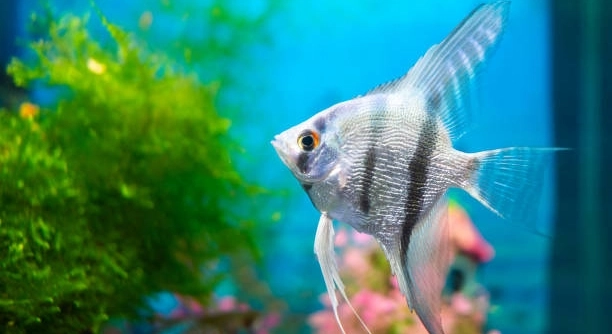
Maintaining a clear tank for your angelfish can be tricky. Cloudy water can be frustrating, and many factors contribute to this issue. This article will help you understand the common mistakes that lead to cloudy water, and how to avoid them.
Cloudy water in an angelfish tank is often caused by poor filtration, overfeeding, or infrequent water changes. Uneaten food, excess waste, and bacteria can cause the water to cloud. Proper care and routine maintenance can keep the water clear.
By understanding these common mistakes, you’ll be able to make simple adjustments. Avoiding these errors can lead to a healthier and clearer tank for your angelfish.
Overfeeding Your Angelfish
Overfeeding is one of the most common reasons your angelfish tank water becomes cloudy. When you feed your fish more than they can consume, leftover food sinks to the bottom of the tank. This uneaten food starts to decay and releases nutrients that encourage bacteria growth, which clouds the water. Angelfish are not heavy eaters, and their small stomachs don’t require excessive portions. You should feed them only what they can eat in about two to three minutes, usually once or twice a day. By avoiding overfeeding, you can prevent a major water quality issue.
Feeding your fish appropriately will keep the tank cleaner. It’s better to offer smaller amounts more frequently, ensuring the food is consumed quickly.
Cloudy water due to overfeeding also leads to higher levels of harmful ammonia and nitrites. These toxins can harm your angelfish, weakening their immune system. A simple solution is to reduce the amount of food you offer, making sure they eat it all within a short time. Additionally, monitor how much food is actually consumed after each feeding. Keeping track of the leftovers ensures you avoid the build-up of waste in the tank. Keeping your feeding routine under control can improve water quality and your angelfish’s overall health.
Infrequent Water Changes
Not changing the water frequently enough can quickly lead to cloudy water. As fish waste, uneaten food, and other organic matter accumulate in the tank, the water becomes increasingly polluted. This buildup can cause a rise in bacteria and algae growth, which turns the water murky. Changing the water regularly helps eliminate excess nutrients and maintain a healthy environment for your angelfish.
Water changes should be done every 1-2 weeks. Aim to replace about 20-30% of the water with fresh, dechlorinated water.
Neglecting regular water changes can also lead to an imbalance in your tank’s nitrogen cycle, which can stress your angelfish and affect their behavior. Routine water changes remove harmful substances like ammonia, nitrites, and nitrates, which build up over time. Without regular maintenance, these toxins can lead to cloudiness, making it harder for your fish to thrive. A clean tank not only promotes a clear water environment but also reduces the risk of disease and improves your angelfish’s overall health.
Poor Filtration
A weak or clogged filter can lead to cloudy tank water. Filters are crucial for maintaining water quality by removing debris, waste, and excess nutrients. If the filter isn’t functioning properly, these particles remain in the water, causing cloudiness. Regularly clean your filter and replace the filter media to ensure it’s working at its best.
A filter needs to be properly sized for the tank. If the filter is too small for the size of your aquarium, it won’t be able to handle the waste and debris from the fish. This leads to a buildup of harmful substances that cloud the water. Additionally, always check for any blockages in the filter. Even if the filter appears to be running, clogs in the system can prevent water from flowing through it correctly.
A good filter is an investment in keeping your tank clean. Not only does it help with water clarity, but it also prevents harmful substances from accumulating. If the filter is old or not functioning, it might be time to replace it. For angelfish, it’s crucial to use a filter with a gentle flow, as too much current can stress them out. Regular maintenance, such as rinsing the filter components in tank water, keeps everything running smoothly.
Excessive Fish Waste
Angelfish, like all fish, produce waste that can cloud the water if not managed properly. When waste isn’t removed efficiently, it begins to break down, releasing ammonia and other substances that cloud the tank. Overcrowding is one major reason for this problem.
When you keep too many fish in a tank, there’s more waste to manage. Angelfish are relatively large fish and produce more waste compared to smaller species. If your tank is overcrowded, the filtration system may struggle to keep up with the amount of waste. This imbalance can cause your water to look cloudy. It’s important to monitor how many fish are in your tank and avoid overloading it.
Excessive waste can also lead to higher levels of harmful bacteria, which further cloud the water. While some waste is inevitable, balancing the number of fish with the tank’s capacity is essential. If you notice a consistent cloudiness in your tank, take a closer look at the waste buildup and the number of fish present. Regular water changes and maintenance can help keep the water clean. A well-balanced tank ensures that your angelfish thrive in a healthy environment.
Poor Water Quality
If the quality of the water in your tank is not ideal, cloudy water is likely to occur. Tap water can contain chlorine, chloramine, or high levels of minerals that are harmful to both your angelfish and the tank’s clarity. Always treat tap water before adding it to your aquarium.
Using unfiltered tap water can introduce harmful chemicals that disrupt the tank’s balance. Testing the water regularly for ammonia, nitrate, and pH levels helps you understand what’s affecting the water quality. If you’re not treating the water properly, cloudiness will only worsen.
Investing in a water conditioner and ensuring the water’s parameters are within the ideal range can prevent these issues. Make sure your water is clean and safe before introducing it to the tank, and perform routine water tests to avoid sudden changes.
Incorrect Tank Temperature
Angelfish require a specific temperature range to thrive. Water that is either too hot or too cold can lead to stress, causing changes in water chemistry. In some cases, improper temperature can encourage bacterial growth, which clouds the water.
When the temperature fluctuates too much, it can cause issues with the fish’s immune system and the stability of the tank’s ecosystem. Keeping the tank at a consistent 76°F to 80°F (24°C to 27°C) is ideal for angelfish. Any sudden changes can throw off the water’s balance, making it more prone to cloudiness.
Inadequate Tank Maintenance
Without proper maintenance, your tank will naturally accumulate waste, debris, and uneaten food, all of which contribute to cloudy water. Regular cleaning of the substrate, water changes, and filter maintenance are essential for keeping the water clear. Skipping these tasks results in murky water.
If maintenance is neglected, the tank’s ecosystem will struggle to remove harmful substances. Cloudiness is a sign that the filtration system or water changes aren’t enough. Always make it a habit to check the tank’s water quality and clean the tank as needed.
FAQ
What causes cloudy water in an angelfish tank?
Cloudy water in an angelfish tank can be caused by several factors, including overfeeding, poor filtration, inadequate water changes, or excessive fish waste. If you feed your fish more than they can eat, leftover food will decompose, clouding the water. Additionally, a clogged or undersized filter won’t remove debris and waste efficiently, which can cause the water to become cloudy. Not performing regular water changes or overloading the tank with fish also contribute to poor water quality and cloudy conditions.
How can I prevent overfeeding my angelfish?
To avoid overfeeding, provide only as much food as your angelfish can consume in a few minutes. Typically, you should feed them once or twice a day. If you notice leftover food after feeding, reduce the portion size next time. It’s better to underfeed slightly than overfeed, as excess food leads to waste buildup, causing cloudy water. Monitoring their feeding habits and sticking to a schedule can help maintain a healthy balance.
How often should I change the water in my angelfish tank?
Water changes should be done every 1-2 weeks, with around 20-30% of the tank’s water replaced each time. Regular water changes help remove waste, uneaten food, and toxins that accumulate in the water. By keeping the water clean, you prevent cloudiness and maintain a healthy environment for your angelfish. It’s important to use dechlorinated water to prevent harm to your fish during the process.
Is a filter necessary for my angelfish tank?
Yes, a filter is essential for maintaining clear and healthy water. It helps remove waste, excess nutrients, and debris, which prevents bacterial growth and cloudiness. A filter also helps maintain the nitrogen cycle, which keeps harmful toxins like ammonia and nitrites under control. Make sure your filter is suitable for your tank size and is cleaned regularly to keep it functioning effectively.
Why is my angelfish tank cloudy even after cleaning?
If your tank remains cloudy after cleaning, it could be due to a few reasons. A weak or clogged filter might not be removing debris and waste efficiently. Alternatively, the water quality might not be properly balanced, with high levels of ammonia, nitrates, or phosphates, which encourage bacterial or algae growth. Ensure you’re testing the water regularly and making necessary adjustments. If the issue persists, consider replacing the filter media or adjusting the water change routine.
What can I do if my angelfish tank has green water?
Green water is usually caused by algae blooms, which can happen when there is an excess of nutrients, particularly phosphates and nitrates, in the tank. To clear green water, reduce the amount of light the tank receives, as algae thrive in bright conditions. Perform regular water changes and avoid overfeeding to reduce nutrient levels. You can also consider using an algae eater or a UV sterilizer to help control the bloom.
How can I tell if my angelfish tank has poor water quality?
Signs of poor water quality include cloudy water, an increase in algae growth, fish that appear stressed or lethargic, and the presence of foul odors. If you notice any of these signs, test the water for ammonia, nitrites, and nitrates. High levels of these substances indicate poor water quality, and you may need to adjust your tank maintenance routine to fix the issue.
Can I use tap water in my angelfish tank?
Tap water can be used in an angelfish tank, but it must be treated first. Most tap water contains chlorine or chloramine, which are harmful to fish. You can use a water conditioner to neutralize these chemicals. It’s also essential to check the water’s hardness and pH levels, as some tap water may not be ideal for angelfish. Always test the water before adding it to your tank to ensure it’s safe for your fish.
How do I maintain the right water temperature for my angelfish?
Angelfish prefer water temperatures between 76°F and 80°F (24°C to 27°C). To maintain the right temperature, use a reliable aquarium heater and thermometer to monitor the water. Make sure the heater is appropriate for the size of your tank. Keep the temperature stable, as drastic changes can stress your angelfish and affect the water quality. Avoid placing the tank in direct sunlight or near cold drafts, which can cause temperature fluctuations.
Why is my angelfish tank cloudy after a water change?
Cloudiness after a water change could be due to several reasons. If you added new water that wasn’t properly treated or if the water was too different from the tank’s existing water, this could cause cloudiness. Sometimes, disturbing the substrate during water changes can release debris and particles into the water. Ensure the water is dechlorinated and that the temperature and pH are similar to the tank’s conditions to prevent cloudiness.
How can I fix a cloudy tank quickly?
To fix cloudy water quickly, first check your filter to ensure it’s functioning properly. Perform a water change of about 30% to remove excess waste and debris. You may also want to clean the substrate, as leftover food or waste in the gravel can cause cloudiness. If necessary, consider using a water clarifier, though it’s better to address the root cause of the cloudiness for long-term results.
Can I keep angelfish with other fish if the water is cloudy?
It’s not recommended to keep angelfish with other fish when the water is cloudy. Cloudy water is usually a sign of poor water quality, which can be harmful to both your angelfish and any other fish in the tank. Before adding any new fish, make sure the water is clean and balanced. This ensures a healthier environment for all your aquatic pets.
Final Thoughts
Keeping your angelfish tank clear and healthy requires attention to several important factors. Cloudy water is often a sign that something in the tank’s ecosystem isn’t quite right. Overfeeding, poor filtration, and lack of regular water changes are the most common culprits. By understanding the root causes, you can take simple steps to keep your water clean and your angelfish healthy. Proper care, such as feeding only what your fish can consume and ensuring your filter is adequate, can go a long way in preventing cloudiness.
Regular maintenance is key to preventing many of the issues that lead to cloudy water. Cleaning the filter, performing consistent water changes, and monitoring your fish’s health are essential parts of tank upkeep. Make sure to test your water regularly to check for any imbalances in ammonia, nitrites, or pH levels. Small adjustments in these areas can help prevent larger problems. Your angelfish rely on a stable, clean environment to thrive, so staying on top of tank maintenance is crucial for their well-being.
Ultimately, keeping your angelfish tank clear doesn’t have to be complicated. With a little care and attention, you can avoid common mistakes and create a healthy, attractive environment for your fish. Whether it’s reducing feeding amounts, maintaining the filter, or improving water quality, every step counts toward clearer water and happier fish. By addressing these common issues early, you can ensure your angelfish enjoy a thriving, beautiful tank.

Hello,
If you enjoy the content that we create, please consider saying a "Thank You!" by leaving a tip.
Every little bit helps us continue crafting quality advice that supports the health, happiness, and well-being of pets around the world, for pets of all shapes, sizes, and species.
We really appreciate the kindness and support that you show us!