
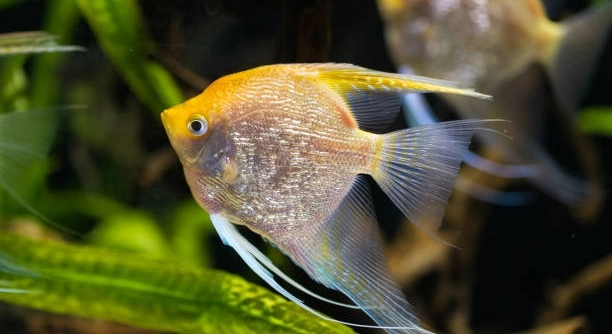
Introducing new angelfish to an established tank can be a delicate process. Ensuring they are properly introduced will help reduce stress and potential conflicts with other fish. The right approach can lead to a peaceful and thriving aquarium environment.
The best way to introduce new angelfish to an established tank is by quarantining them first. This allows you to monitor their health and prevent introducing diseases into the main tank. Gradually acclimate them to the water conditions for a smooth transition.
This guide will highlight the most effective strategies to ensure a successful introduction, keeping your angelfish safe and comfortable.
Quarantining New Angelfish
When you first bring home new angelfish, it’s essential to quarantine them before introducing them to the main tank. This allows you to observe any potential health issues without affecting your established fish. The quarantine process typically lasts for about two weeks. During this time, check for signs of disease, parasites, or stress. This step is crucial for maintaining the health of your entire aquarium.
By keeping the new fish in a separate tank, you minimize the risk of transferring illnesses or parasites to your current fish population. A quarantine period also gives you time to observe the angelfish’s behavior, feeding habits, and overall health. If any problems arise, it’s easier to address them without risking the health of your main tank.
Make sure to create a comfortable, low-stress environment for the angelfish during quarantine. A tank with the same water parameters as your main tank will make their transition smoother. Monitor water quality closely and change the water regularly to keep them healthy.
Gradually Adjusting Water Conditions
Gradually adjusting the new angelfish to your tank’s water conditions is crucial for their well-being. Sudden changes in water parameters can stress them out.
Place the quarantine tank near the main tank, so the new angelfish can get used to the sight and sounds of the established fish. After the quarantine period, you can begin the process of acclimating them to the main tank’s water conditions. Start by floating their quarantine bag in the new tank to allow temperature adjustment. Then, slowly add small amounts of water from the main tank into the bag every 10-15 minutes. This gradual change prevents shock from sudden water parameter differences.
Once the fish are adjusted and seem comfortable, you can release them into the main tank. It’s important to monitor their behavior closely in the first few hours and days to ensure they are settling in well. Patience during this process will pay off in the long term.
Proper Tank Setup
Before introducing new angelfish, ensure the tank is well-set-up. Check for adequate space and hideouts for both the newcomers and existing fish. Angelfish need plenty of room to swim and establish territories.
Provide plants, rocks, or decorations to create areas where they can seek refuge if they feel threatened. The tank should be well-filtered to maintain clean water, as angelfish are sensitive to poor water quality. This setup helps to reduce stress during the introduction process, making the transition easier for the new angelfish. Keep water parameters stable to avoid any disruptions.
Be mindful of the tank’s lighting and temperature as well. Angelfish thrive in moderate lighting and temperatures between 75°F and 82°F. Avoid bright lights that may cause unnecessary stress. A stable environment with proper tank setups creates a safer, less intimidating space for the angelfish to adjust and coexist with the established tank residents.
Gradual Introduction to Tankmates
Introducing the new angelfish to their tankmates gradually can help avoid conflicts. Start by allowing the fish to observe each other from opposite sides of the tank.
After the quarantine period, place the new angelfish in a separate section of the tank using a divider. This allows the new fish to interact with the existing ones without direct contact. Keep them separated for a few days, allowing both the angelfish and established fish to get used to each other’s presence. It reduces the chance of aggression when they are finally introduced.
Once the fish have had time to adjust, remove the divider and monitor them closely. The established fish may show some aggression initially, but the gradual introduction reduces the likelihood of territorial battles. Watch for any signs of stress, like hiding or aggressive chasing. If needed, separate the fish and try again later. Patience is key during this step.
Observation and Monitoring
After the introduction, closely monitor the behavior of both the new and established angelfish. Watch for signs of stress or aggression.
It’s important to pay attention to any behavioral changes. If the new angelfish are hiding or not eating, this could be a sign of stress. Similarly, if the established fish are overly aggressive or territorial, it may indicate that they are not yet comfortable with the new fish.
Continue observing for several days to ensure peaceful coexistence. If issues arise, consider adding more hiding spots or rearranging the tank to reduce territorial disputes.
Feeding Time
Feeding time can also be a critical moment during introductions. Make sure both the new and existing fish feel comfortable eating.
Offer food at regular intervals to ensure all the fish have access to it. If one fish seems to dominate feeding time, it may cause stress for the others. Try offering smaller amounts of food at a time to give the new angelfish a chance to eat.
FAQ
How long should I quarantine new angelfish?
It’s recommended to quarantine new angelfish for at least two weeks. This period allows you to monitor their health and ensure they are disease-free before introducing them to your main tank. During this time, watch for any signs of illness or parasites. Quarantining prevents the spread of potential diseases to the established tank and helps give the new fish time to adjust to their surroundings.
Can I introduce more than one angelfish at a time?
It’s possible to introduce multiple angelfish at once, but be cautious of overcrowding. Angelfish are territorial, and introducing too many at once could cause stress or aggressive behavior. If you do introduce more than one, try to ensure the tank has enough space and hiding spots for all the fish. It’s often best to introduce just one or two to avoid overwhelming the tank’s inhabitants.
What if my new angelfish are not eating?
New angelfish may refuse food initially due to stress or the need to adjust to their new environment. If they don’t eat for a few days, don’t panic, but do monitor them closely. Offer live food or food they might find more appealing. If the problem persists, consider re-checking water parameters or increasing hiding spots to reduce stress.
How do I prevent aggression between angelfish?
To minimize aggression, ensure the tank has plenty of space and hiding places. Angelfish can be territorial, especially during breeding times. When introducing new angelfish, consider rearranging the tank décor to disrupt established territories. Providing enough space, food, and hiding spots for all the fish can help reduce conflict.
Can I keep angelfish with other types of fish?
Angelfish can co-exist with various peaceful community fish, such as tetras, gouramis, or corydoras catfish. However, avoid keeping them with aggressive or very small fish that might get bullied or eaten. Always research the specific needs and temperament of any fish you plan to add to the tank, as compatibility is key.
What size tank do angelfish need?
Angelfish need a minimum of a 30-gallon tank for a small group of fish. However, the more space, the better, especially when introducing new fish. A larger tank allows for proper swimming space and decreases the likelihood of territorial disputes. If you have multiple angelfish, consider a 55-gallon tank or larger to ensure they have enough room to thrive.
How can I tell if my angelfish are stressed?
Signs of stress in angelfish include loss of appetite, unusual hiding, erratic swimming, or faded colors. If the fish are frequently hiding or showing aggressive behavior, they might feel threatened. Stress can also lead to health issues, so make sure water parameters are optimal and the environment is peaceful.
Should I use a divider when introducing angelfish?
Using a divider is a great way to introduce new angelfish to an established tank. It allows the fish to see each other without direct interaction, reducing the risk of aggressive behavior or territorial disputes. This method gives the new fish time to adjust while allowing the established fish to get used to their presence. Once they show no signs of aggression, you can remove the divider and allow them to interact freely.
Can angelfish live with other types of cichlids?
Angelfish can sometimes live with other peaceful cichlids, but caution is needed. Many cichlids are territorial and may compete with angelfish for space. Fish like discus or other non-aggressive cichlids can make good tankmates. However, avoid mixing angelfish with more aggressive cichlids that could harm them.
How often should I feed my angelfish?
Feed your angelfish once or twice a day, offering only what they can consume in a few minutes. Overfeeding can lead to water quality problems and health issues. A varied diet including pellets, flakes, and occasional live or frozen food is best for maintaining good health. Always remove uneaten food to keep the tank clean.
What is the best water temperature for angelfish?
Angelfish thrive in water temperatures between 75°F and 82°F (24°C to 28°C). Keeping the temperature within this range ensures they are comfortable and reduces the risk of stress or illness. Temperature fluctuations should be avoided as they can cause discomfort and health problems for the fish.
Final Thoughts
Introducing new angelfish to an established tank takes patience and care, but with the right approach, it can be a smooth process. The key is to prioritize the health and comfort of both the new and existing fish. By following the steps outlined, such as quarantining the new fish and gradually adjusting them to the tank, you reduce the risk of stress and disease. This makes the entire process more successful for everyone involved. It’s important to remember that each fish has its own personality, so while some angelfish may adapt quickly, others might take more time to settle in.
The tank environment plays a big role in how the introduction goes. Ensuring that the tank is well set up, with enough space, hiding spots, and stable water conditions, will go a long way in making the transition easier for the new fish. Angelfish can be territorial, especially when adjusting to a new environment, so providing plenty of room and reducing stress factors can help avoid potential conflicts. In some cases, rearranging the tank decorations before introducing new fish can help reduce territorial behavior and ease the transition for all fish in the tank.
Patience is essential when introducing angelfish. Keep a close eye on how they interact with other fish and make adjustments as needed. If aggression or stress persists, don’t be afraid to separate the fish temporarily and try again later. Every fish is different, and while some might get along immediately, others need more time. With proper care, observation, and a calm approach, your new angelfish should be able to thrive alongside your established tank mates.

Hello,
If you enjoy the content that we create, please consider saying a "Thank You!" by leaving a tip.
Every little bit helps us continue crafting quality advice that supports the health, happiness, and well-being of pets around the world, for pets of all shapes, sizes, and species.
We really appreciate the kindness and support that you show us!