
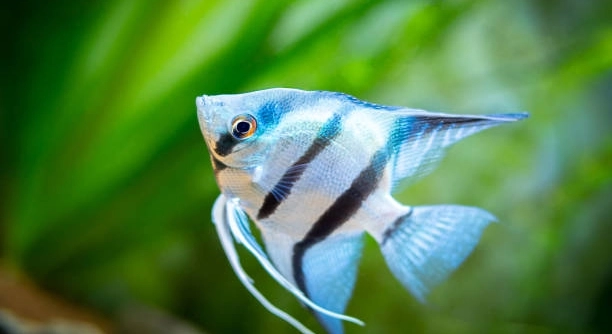
Angelfish are known for their vibrant colors and gentle nature. However, stress can significantly affect their health and behavior. Understanding the causes of stress and how to prevent it can help keep your angelfish happy and thriving.
To prevent stress in angelfish, ensure their tank conditions are optimal. Proper water temperature, filtration, and regular water changes can reduce stress. Additionally, minimizing aggressive tankmates and providing hiding spots for safety will make a significant difference.
By following these simple guidelines, you can reduce stress and improve your angelfish’s quality of life. Understanding the best practices will help you maintain a peaceful and healthy aquarium environment for your fish.
Proper Tank Setup for Angelfish
Angelfish thrive in well-maintained tanks. A properly set-up tank will help minimize stress and encourage healthy fish. Start by ensuring the tank is large enough, with a minimum of 20 gallons for a pair. Maintain a consistent water temperature between 76°F and 82°F. Water quality is crucial—use a high-quality filter and perform regular water changes. Having live plants in the tank also provides angelfish with places to hide, which reduces stress. Keep in mind that angelfish prefer gentle water currents, so avoid strong pumps or filters that create turbulence.
In addition to these tank requirements, provide a stable environment for the angelfish. Avoid placing the tank in areas where there is a lot of movement or noise, as this can cause unnecessary stress. Keeping the tank clean and free from algae buildup is essential as well, as dirty water can contribute to stress.
A well-balanced tank setup with the right water conditions and minimal disturbances is key to creating a comfortable and healthy space for your angelfish.
Avoiding Aggressive Tankmates
Angelfish can become stressed if housed with aggressive tankmates. Avoid species that are territorial or overly active, as they can bully the angelfish. Choose peaceful community fish that won’t disturb the angelfish or invade their space.
Some good tankmates for angelfish include Corydoras catfish, tetras, and peaceful gouramis. These species won’t pose a threat to the angelfish and allow them to move freely around the tank without fear of aggression. Be cautious about keeping angelfish with fish like bettas, goldfish, or large cichlids, as they can cause stress and damage to the angelfish.
Choosing compatible tankmates for your angelfish will greatly reduce the risk of stress. Avoid overcrowding the tank, as this can also increase aggression and lead to discomfort. A peaceful, well-thought-out community of fish will help your angelfish feel safe and secure in their environment.
Consistent Feeding Schedule
Establishing a consistent feeding routine is essential for reducing stress in angelfish. Angelfish thrive when they know when to expect food. Feed them small portions once or twice a day, but avoid overfeeding. Leftover food can degrade water quality and increase stress.
To maintain a healthy diet, offer a mix of high-quality flake food, pellets, and occasional live or frozen foods like brine shrimp or bloodworms. A varied diet ensures they get all necessary nutrients. By sticking to a regular feeding schedule, you help prevent anxiety related to hunger and food availability.
It’s also crucial to monitor their eating habits. If an angelfish stops eating or seems to be overly stressed around feeding time, it might indicate an underlying issue with the water or tankmates. This could also signal that the angelfish needs a change in its diet or environment.
Water Quality Management
Angelfish are particularly sensitive to poor water quality. Unclean water can cause physical stress and damage to their immune system. Perform regular water tests to ensure ammonia, nitrite, and nitrate levels are within safe limits. A good filtration system will help maintain clean water.
When water conditions are off, angelfish can show signs of stress, such as rapid gill movement or erratic swimming. To avoid this, clean the tank regularly and replace about 25% of the water every two weeks. Proper filtration is crucial for removing debris and harmful substances that could otherwise cause discomfort.
Always use a reliable water conditioner to treat tap water before adding it to the tank. This helps neutralize chlorine and chloramines that could harm your angelfish. Keeping the water clean is a simple but effective way to ensure your angelfish stay healthy and stress-free.
Regular Tank Maintenance
Consistent tank maintenance plays a big role in keeping angelfish stress-free. Clean the tank regularly to remove debris and algae. Keep filters in top condition and replace them when necessary to ensure the water remains clear.
Changing the water frequently, at least once a week, is essential to prevent the buildup of harmful substances. Avoid using harsh chemicals in the tank, as they can disrupt the delicate balance of the water and cause stress to the fish. Keeping the environment clean helps promote a healthy and stable atmosphere for the angelfish.
Regular tank maintenance, along with monitoring water quality, ensures the angelfish’s environment is optimal for their well-being.
Avoiding Sudden Changes
Angelfish are sensitive to sudden changes in their environment. These changes, such as rapid shifts in water temperature or tank rearrangement, can cause stress. Keep the water temperature stable and avoid drastic fluctuations.
If you need to move or adjust decorations, do it gradually to give the fish time to acclimate. Rapid changes can cause the angelfish to feel threatened or disoriented, leading to unnecessary stress. Keeping everything consistent reduces their chances of becoming stressed from unexpected alterations.
Slow and steady adjustments to the tank setup will help your angelfish stay calm and comfortable.
Proper Lighting
Angelfish prefer gentle, consistent lighting. Bright lights or sudden changes in lighting can make them anxious. Use a timer to maintain a regular light cycle, with 10-12 hours of light a day.
Excessive light may cause the angelfish to retreat into darker areas of the tank, leading to increased stress levels. Providing shaded areas in the tank can also help the fish feel secure. By maintaining a balanced lighting schedule, you avoid overwhelming your angelfish and support a more relaxed environment for them to thrive.
FAQ
How can I tell if my angelfish is stressed?
Stressed angelfish may exhibit several signs, such as rapid gill movement, erratic swimming, hiding excessively, or rubbing against tank objects. Their color may also fade, and they might refuse food. If you notice any of these signs, it’s important to check their environment to identify possible stressors.
Can temperature fluctuations stress angelfish?
Yes, temperature fluctuations are a common stress factor for angelfish. They thrive in a stable temperature range of 76°F to 82°F. Sudden drops or increases in temperature can weaken their immune system and make them more vulnerable to disease. To avoid this, use a reliable aquarium heater with a thermostat to maintain consistent water temperature.
Are angelfish sensitive to water changes?
Yes, angelfish are sensitive to water changes, especially sudden ones. If you perform a water change, do it gradually to avoid altering the water conditions too quickly. Always ensure the new water is treated to remove chlorine and chloramines, and match its temperature to the tank’s.
Can overcrowding stress angelfish?
Yes, overcrowding can cause significant stress for angelfish. They need space to swim freely and establish territory. Too many fish in a tank can lead to territorial disputes and reduce oxygen levels in the water. Aim for a minimum of 20 gallons per pair of angelfish, with additional space for any tankmates.
How do I reduce stress from aggressive tankmates?
To reduce stress from aggressive tankmates, choose peaceful species that won’t bother the angelfish. Avoid aggressive fish like bettas, large cichlids, or fast-moving fish that might outcompete angelfish for food. A peaceful community of fish allows angelfish to swim and feed comfortably without fear.
Can I keep angelfish with other types of cichlids?
Angelfish can be kept with other cichlids, but it depends on the species. Smaller, non-aggressive cichlids, such as peaceful dwarf cichlids, can coexist with angelfish. However, larger or more aggressive cichlids may cause stress or even harm to angelfish. Always research the compatibility of species before introducing them into the same tank.
What is the best way to feed my angelfish?
Feed your angelfish small portions once or twice a day. A combination of high-quality flake food, pellets, and occasional live or frozen foods like brine shrimp or bloodworms is ideal. Avoid overfeeding, as uneaten food can degrade water quality and stress the fish.
How often should I change the water in an angelfish tank?
Perform partial water changes about once a week, replacing around 25% of the water. Regular water changes help maintain water quality by removing toxins, nitrates, and excess nutrients. Avoid changing too much water at once, as it can cause sudden fluctuations that stress your angelfish.
Can I use decorations in my angelfish tank?
Yes, decorations are beneficial for angelfish, as they provide hiding spots and territories, reducing stress. Use smooth rocks, driftwood, and live plants to create hiding places. Avoid sharp decorations that could injure your fish. Just make sure the decorations don’t crowd the tank too much or restrict swimming space.
Do angelfish need a filter?
Yes, angelfish need a filter to maintain good water quality. A filter removes debris, excess food, and harmful substances, ensuring the water remains clean and oxygenated. Choose a filter with an appropriate flow rate for your tank size, ensuring it doesn’t create a current too strong for the angelfish.
Can angelfish tolerate high light levels?
Angelfish prefer low to moderate lighting. Bright lights or sudden changes in lighting can stress them, causing them to hide or become agitated. Use a timer to keep a regular light cycle, providing around 10-12 hours of light per day. Offer shaded areas in the tank to help them feel secure.
What is the ideal tank size for angelfish?
Angelfish require at least a 20-gallon tank for a pair. If you keep multiple angelfish or other fish, you’ll need a larger tank. Providing enough space ensures they have room to swim and reduces the likelihood of stress from overcrowding. A larger tank also supports better water quality management.
How do I ensure my angelfish are comfortable?
To keep your angelfish comfortable, maintain stable water conditions, provide a balanced diet, and avoid sudden changes in the tank environment. Include plants and decorations to create hiding spots and reduce stress. Ensure that your tankmates are compatible and that the water temperature and quality are within the ideal range.
Can I keep angelfish with shrimp?
Angelfish can be kept with shrimp, but caution is needed. Angelfish are predatory and may attempt to eat smaller shrimp, especially if they are not fully grown. Consider keeping shrimp species that are larger and can avoid the angelfish’s attention, such as Amano or Ghost shrimp.
Are there any signs of illness I should watch for?
Illness can often manifest in stressed angelfish. Watch for abnormal swimming, fading colors, bloated bellies, or visible lesions on their skin. Also, observe their eating habits—lack of appetite or difficulty swimming can indicate illness. If you notice these signs, test the water quality and check for potential stressors.
What should I do if my angelfish isn’t eating?
If your angelfish isn’t eating, check for environmental issues. Poor water quality, aggressive tankmates, or improper water temperature could cause this behavior. Also, try offering different foods to see if your fish has a preference. If the problem persists, consult a veterinarian specializing in fish.
Final Thoughts
Keeping angelfish healthy and stress-free requires attention to their environment and needs. Regular maintenance of the tank, such as cleaning the water and checking equipment, is essential. A stable water temperature and proper filtration will help prevent many common stressors. By monitoring these factors, you create a comfortable home for your fish, allowing them to thrive.
In addition to water quality, it is important to choose suitable tankmates for your angelfish. Peaceful species are ideal, as aggression or competition for food can cause stress. Offering your angelfish a variety of food options ensures they receive proper nutrition. Overfeeding, however, can negatively affect both water quality and fish health. Balancing food intake and portioning carefully is crucial for maintaining a stress-free environment.
Finally, remember that angelfish, like all fish, have individual personalities. Some may be more sensitive than others, and observing their behavior will help you understand their preferences. By creating a consistent, calm environment and providing appropriate care, you can prevent stress and enjoy watching your angelfish grow and flourish in their tank.

Hello,
If you enjoy the content that we create, please consider saying a "Thank You!" by leaving a tip.
Every little bit helps us continue crafting quality advice that supports the health, happiness, and well-being of pets around the world, for pets of all shapes, sizes, and species.
We really appreciate the kindness and support that you show us!