
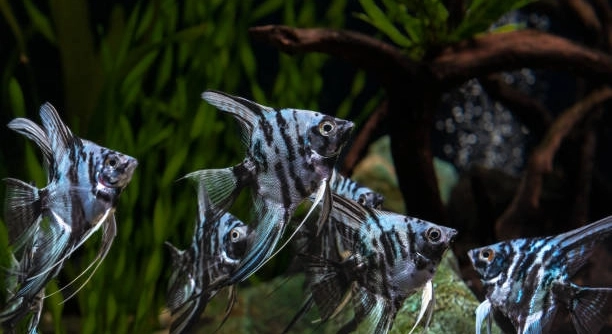
Have you ever noticed your angelfish darting away the moment you turn on the aquarium light or open the curtains? It can be confusing when their behavior shifts unexpectedly during normal daytime activity in your tank.
The most common reason an angelfish darts from light is due to sudden brightness changes triggering a startle response. Stress, poor lighting conditions, illness, or environmental factors may also contribute to this repeated, light-related behavior.
Several possible explanations can help you understand and manage this response. Learning more about these theories may improve your angelfish’s comfort and overall health in its environment.
Sudden Movements Triggered by Light Changes
Angelfish are sensitive to light and sudden changes can startle them. If the room is dark and a light switches on suddenly, their quick reaction is a basic survival instinct. In nature, bright flashes can signal predators or danger, so their first response is to flee. Gradual lighting changes help prevent this. If the tank light is turned on abruptly or sunlight pours in quickly through a window, the fish may react by darting. It’s important to mimic natural light transitions in your aquarium setup. Consider dimming the lights slowly or letting ambient light enter first before full exposure.
Gradual lighting adjustments can reduce stress and give your angelfish time to adapt to changes.
Avoid placing the aquarium near windows with inconsistent natural light. Rapid shifts from shadows to brightness can confuse fish and lead to frequent darting. Using a timer with a dimmable light can provide stability and comfort for your angelfish.
Stress From Incompatible Tank Conditions
Angelfish darting can also be a stress response to poor tank conditions or incompatible tank mates.
Overcrowding, poor water quality, or aggressive fish can make your angelfish feel unsafe. When they already feel tense, even a simple light change can push them to react quickly. Start by checking your water parameters—ammonia, nitrites, and nitrates should be within safe ranges. Also, look at the tank layout. Angelfish like calm environments with space to swim and places to hide. Too many decorations or aggressive fish nearby can stress them out. Removing these triggers can lead to noticeable improvement.
Try to keep a consistent environment. Avoid sudden noises, harsh lighting, or quick hand movements near the tank. Regular tank maintenance and gentle interaction help angelfish feel more secure. When they feel safe, they’ll become less reactive, even when lights change.
Poor Eyesight or Light Sensitivity
Some angelfish may have more sensitive eyes than others, causing them to react to bright or sudden light. This sensitivity can lead to fast swimming or darting behavior when the light level changes too quickly or becomes too intense for their comfort.
Light sensitivity isn’t always easy to detect, but consistent darting under bright light might be a sign. You can test their response by adjusting the brightness gradually or using a dimmer. Avoid intense overhead lighting or keeping the tank in direct sunlight. Soft, diffused light with a consistent schedule can make a difference. Keep the tank light on for 8 to 10 hours a day, and use a timer to maintain that rhythm. A more predictable environment helps the fish adjust and feel secure during lighting changes.
If poor eyesight is suspected, look for signs like bumping into decorations or struggling to locate food. While there’s no treatment for vision problems in fish, reducing stress through a stable setup can help. Make sure the tank layout is simple, with open areas and a few shaded spots. Soft lighting and a slow routine help these fish navigate better. Keeping everything consistent may not fix the problem completely, but it can keep the behavior from getting worse.
Reflections on the Glass
Angelfish may see their own reflection in the glass and mistake it for another fish, which can cause stress. Light hitting the tank at certain angles can make reflections more visible, especially in darker surroundings.
This stress response is common in tanks with high-gloss glass and bright light. Angelfish may dart quickly or act defensively when they see themselves. To help reduce this, adjust the room’s lighting or place a background behind the tank. You can also move light sources slightly or cover reflective surfaces temporarily to test their reaction. Avoid placing the aquarium near shiny walls, windows, or bright lamps that increase glare.
If the behavior improves after covering reflective areas, make those changes permanent. Plants or backgrounds can soften the tank’s interior and block external reflections. Consistent lighting, both inside and around the tank, helps the fish feel more relaxed. A calm environment makes them less likely to panic when light changes or reflections occur.
Past Trauma or Startle Association
If your angelfish was once startled during a lighting change, it might associate that moment with danger. This reaction can stay with them and trigger darting every time the light changes, even if nothing else is wrong.
This response becomes a habit over time. Even small changes can cause panic once the fish links them to past stress.
Illness or Discomfort
Angelfish sometimes dart due to physical discomfort or early signs of illness. Internal parasites, skin irritation, or poor water conditions can make them sensitive to any change in their surroundings. Darting away from light might be a sign that they feel exposed or vulnerable. Observe for other signs like clamped fins, rapid breathing, or odd swimming patterns. If these are present, test the water and consider a health check. Clean water, proper nutrition, and quiet surroundings can ease discomfort. Addressing these needs quickly helps prevent health issues from growing worse and keeps your angelfish calm and stable in its environment.
Natural Skittish Behavior
Some angelfish are simply more skittish than others. Just like people, individual fish can have different temperaments and reactions to changes around them.
FAQ
Why does my angelfish only dart away when the lights turn on?
This often happens because the change in lighting is too sudden. Angelfish are sensitive to light shifts, especially when moving from darkness to full brightness. Their natural instincts make them react quickly to sudden changes, which they may see as danger. It’s similar to how a flash of lightning might make a person flinch. Try turning on room lights first or using a dimmable aquarium light. Gradually increasing brightness helps them adjust and reduces the chance of sudden darting.
Can bright lighting stress out angelfish?
Yes, it can. Too much brightness, especially without shaded areas or hiding spots, may cause stress. Angelfish prefer environments that mimic their natural habitats, which are often shaded with dappled light. Constant exposure to intense lighting can make them anxious and more reactive. To reduce stress, make sure they have places to hide, such as tall plants or decorations that block direct light. Using a softer or adjustable aquarium light also helps maintain a calming space.
Do angelfish get used to lighting over time?
Some angelfish adapt if the lighting changes are consistent and not too intense. Over time, they may stop reacting so strongly if they feel secure in their tank and know what to expect. Routine and gradual changes are key. If they are still darting after weeks of regular exposure, it may be due to another issue like tank stress, illness, or even sensitivity specific to that individual fish. Watch for other behavior patterns to help identify the cause.
How can I reduce sudden reflections in the tank?
Start by changing the position of your tank lights and avoiding placing the aquarium near windows. Reflections become more visible when strong light hits the glass at certain angles. Adding a background or placing plants along the glass walls can help break up reflective surfaces. If the reflection disappears and darting stops, you’ve likely found the source. Keep surrounding light consistent and use tank covers or curtains nearby if needed.
Could other fish in the tank be causing this behavior?
Yes. If there are aggressive or fast-moving fish in the tank, your angelfish may feel threatened, especially when lights come on and everyone becomes more active. Darting can be a sign that they are trying to avoid a perceived threat. Observe tank dynamics during light changes. If one fish always chases or disturbs others, consider rearranging the tank, adding hiding spots, or separating aggressive fish to restore balance.
Is darting ever just normal behavior for angelfish?
Occasional darting can be normal, especially in younger fish or when something catches their attention. But if it happens often or alongside signs of stress, it could indicate a problem. Normal darting is brief and not followed by hiding, clamped fins, or refusal to eat. If your fish returns to calm swimming and interacts with others, it may just be a quick reaction to a minor disturbance.
Should I leave the light on at night to stop darting?
No, angelfish need periods of darkness to rest. Leaving the light on at night can disturb their natural rhythm and lead to other stress-related behaviors. Instead, focus on creating a gradual lighting schedule during the day. Use a timer and let them have a consistent day-night cycle. If you want nighttime visibility, consider a low blue night light designed for aquariums that doesn’t interfere with their sleep.
What signs should I look for if I think my angelfish is stressed?
Common signs include clamped fins, loss of appetite, hiding more than usual, rapid breathing, and darting. Stress can also lead to color fading or more aggressive behavior. If darting is happening along with any of these signs, investigate tank conditions. Poor water quality, temperature fluctuations, or too many tank mates can all contribute. Regular monitoring and small adjustments often help ease their stress and restore normal behavior.
Final Thoughts
Angelfish darting away from light may seem unusual at first, but it is often a response to something in their environment. This behavior can be triggered by sudden lighting changes, water quality issues, stress from tank mates, or even past experiences. Each fish reacts differently, and sometimes it takes a bit of patience to figure out the exact reason. Observing your angelfish closely during these moments can help you understand what is bothering them and what might need to change in their tank setup. Small adjustments to lighting, placement of decorations, or feeding schedules can sometimes make a big difference in how secure your angelfish feels.
It’s also important to remember that darting is not always a sign of something serious. Some fish are naturally more sensitive and easily startled, especially if they are young or new to their environment. However, if darting is happening often or alongside other signs like clamped fins or loss of appetite, it should be looked into further. Checking the water parameters regularly and maintaining a calm tank environment are essential steps. Reducing bright light, avoiding sudden movement around the tank, and keeping a routine will help your angelfish feel safer. Providing shaded areas and plants also gives them space to retreat when they need to feel more secure.
In the end, creating a peaceful and stable tank environment benefits not only your angelfish but all the fish living with them. Fish that feel comfortable in their surroundings are more active, healthier, and display more natural behaviors. If darting continues despite good conditions, it might just be part of your angelfish’s personality. Paying attention to these little behaviors allows you to care for them in a more thoughtful way. While it can take time to find the cause, your efforts can lead to a calmer, happier fish. Being patient and consistent is often the best approach, and over time, you’ll notice what helps your angelfish settle and thrive in its environment.

Hello,
If you enjoy the content that we create, please consider saying a "Thank You!" by leaving a tip.
Every little bit helps us continue crafting quality advice that supports the health, happiness, and well-being of pets around the world, for pets of all shapes, sizes, and species.
We really appreciate the kindness and support that you show us!