
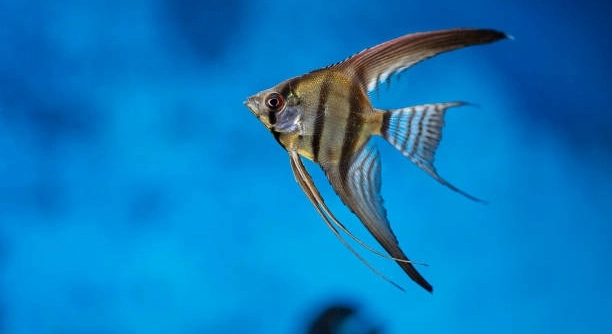
Maintaining a clean and healthy environment in an angelfish tank is crucial for the well-being of your fish. Water contamination can lead to various health issues, affecting the quality of life for your angelfish. This guide offers practical tips to improve tank conditions.
To reduce water contamination in an angelfish tank, focus on regular water changes, proper filtration, avoiding overfeeding, and removing debris promptly. Additionally, monitor water parameters such as pH and ammonia levels to ensure the tank stays clean and balanced.
Understanding these methods can help keep your tank clean and your angelfish healthy. Effective water management is essential for long-term fish care.
Regular Water Changes
Changing the water regularly is one of the most effective ways to reduce contamination. By replacing a portion of the water every week, you can remove toxins and excess nutrients that accumulate over time. Aim to replace 20-30% of the water each time. This keeps the environment fresh and helps maintain balanced water conditions.
Consistent water changes help prevent harmful chemicals from building up. Over time, this will lead to healthier fish and clearer water.
Along with water changes, it’s important to clean the tank’s substrate and decorations. Siphon out the debris that may have settled on the bottom, as it can contribute to water contamination. Regular cleaning of the tank also ensures that any excess food or waste is removed. Doing this on a routine basis will prevent unwanted buildups and keep the tank’s water quality at its best.
Proper Filtration
A good filtration system is key to keeping the water clean. Filters help to remove particles, waste, and toxins that could otherwise cloud the water or harm your fish.
Investing in an efficient filter will reduce the amount of time you need to spend cleaning the tank. A properly functioning filter ensures the water remains clear by filtering out dirt, uneaten food, and waste. Choose a filter that suits the size of your tank to avoid under or over-filtration.
Also, remember to clean and replace filter media regularly. This keeps the filter working efficiently and ensures it doesn’t become clogged. The cleaner your filter, the more effective it will be at keeping your water clear and healthy for your angelfish. By combining proper filtration with other tank maintenance techniques, you create an optimal environment for your fish to thrive.
Avoid Overfeeding
Overfeeding can quickly lead to water contamination. Excess food that isn’t eaten breaks down in the tank, raising ammonia levels and affecting water quality. It’s easy to overfeed, especially when you’re eager to spoil your fish.
Feed only what your angelfish can consume in a few minutes. Any leftover food should be removed to prevent it from decomposing and polluting the water. This will help keep the water cleaner and reduce the need for frequent water changes. Overfeeding is a common mistake, but it’s one you can easily avoid by monitoring your fish’s eating habits.
Consider feeding your angelfish smaller portions throughout the day, rather than one large meal. This method reduces waste buildup and promotes healthier digestion. You can also use a feeding ring or dish to prevent food from floating around the tank. This allows your fish to focus on eating rather than chasing after bits of food that end up in the filter.
Remove Debris Promptly
Debris, such as leftover food, fish waste, and plant trimmings, can quickly pollute your tank water. The longer debris stays in the tank, the higher the risk of ammonia buildup, which harms your fish.
It’s important to check the tank regularly for debris and remove it as soon as possible. You can use a siphon to remove waste from the substrate or use a net to scoop out uneaten food. Keeping the tank free of debris not only improves water quality but also prevents algae growth, which can cloud the water and stress your fish.
Cleaning the tank’s decorations, plants, and substrate regularly will keep the environment healthier for your angelfish. A clean tank ensures that harmful chemicals do not accumulate and keeps the water crystal clear. Regular maintenance will reduce the frequency of water changes, making it easier to keep your fish healthy.
Monitor Water Parameters
Regularly checking water parameters like pH, ammonia, nitrite, and nitrate levels helps you catch potential issues early. This ensures that the tank environment stays stable and safe for your angelfish.
Test the water using an aquarium test kit and adjust the parameters when necessary. Maintaining proper water chemistry will reduce the chances of contamination. For example, high ammonia levels are often a sign of overfeeding or insufficient filtration, which needs to be addressed to keep the tank healthy.
By keeping an eye on these factors, you’ll ensure a cleaner, safer environment for your angelfish, making it easier to prevent contamination before it becomes a problem.
Use Live Plants
Live plants can help absorb excess nutrients and provide natural filtration. They act as a natural buffer by using nitrogen compounds, which helps to maintain stable water conditions.
Plants also provide hiding spaces for angelfish and create a more natural and pleasant environment. Incorporating plants into your tank setup can reduce the risk of algae growth and improve oxygenation. Just be sure to choose plants that thrive in the same conditions as your angelfish, making the most out of both.
Clean Tank Equipment
Regular cleaning of your tank equipment ensures everything works efficiently. This includes checking and cleaning filters, heaters, and air pumps.
Filters can collect debris and clog up, which reduces their effectiveness. Cleaning them properly will ensure the filter is working at full capacity and prevent any harmful buildup from contaminating the water. Properly maintained equipment prevents the need for excessive water changes and helps maintain a balanced tank environment.
FAQ
What are the common causes of water contamination in an angelfish tank?
The most common causes of water contamination are overfeeding, poor filtration, and insufficient cleaning. Leftover food and fish waste break down in the water, raising ammonia levels. A lack of proper filtration means toxins are not removed efficiently, while dirty decorations and substrates contribute to debris buildup. Regular maintenance and monitoring can help prevent these issues.
How often should I change the water in my angelfish tank?
It’s recommended to change 20-30% of the water weekly. This helps maintain clean water and removes toxins like ammonia and nitrates that build up over time. Larger water changes, such as 50%, can be done every 2-3 weeks if needed, but regular smaller changes are generally better for maintaining tank stability.
Can too much filtration harm the tank?
While it’s important to have enough filtration to keep the water clean, too strong of a filter can harm angelfish, as they prefer calm waters. If the current is too strong, it can stress your fish and cause them to avoid certain areas of the tank. Always select a filter appropriate for the tank size and angelfish’ needs.
What should I do if I notice cloudy water?
Cloudy water often indicates an excess of waste or bacteria in the tank. First, check the filtration system to ensure it’s functioning properly. Clean the tank and remove any visible debris. If the cloudiness persists, test the water parameters for ammonia or nitrate spikes, as these can indicate contamination.
Why is my angelfish tank water green?
Green water is often caused by algae blooms, which thrive in tanks with excess light and nutrients. Algae can result from overfeeding or too many nutrients in the water. To prevent this, reduce the light exposure and make sure to remove any excess food or waste promptly. Using a UV sterilizer or adding algae-eating fish can help as well.
How do I prevent algae from growing in my angelfish tank?
Preventing algae involves controlling nutrient levels and light exposure. Keep feeding amounts in check, perform regular water changes, and remove any leftover food. Limit the amount of direct sunlight the tank gets and reduce the lighting period to 6-8 hours per day. Adding live plants can also help absorb excess nutrients and outcompete algae for resources.
What are the ideal water parameters for angelfish?
Angelfish thrive in slightly acidic to neutral water, with a pH range of 6.5 to 7.5. The temperature should be between 76-82°F (24-28°C). Ammonia and nitrite levels should be kept at 0, while nitrates should stay below 20 ppm. Maintaining these conditions will help keep your angelfish healthy and reduce water contamination risks.
How can I tell if my angelfish is stressed due to poor water quality?
Signs of stress in angelfish include erratic swimming, staying near the surface or in corners, loss of appetite, and faded coloration. If your fish exhibit these behaviors, test the water for ammonia, nitrites, and pH levels. Poor water quality is often the cause of stress, and correcting the parameters can help restore their health.
Can I use tap water for my angelfish tank?
Tap water can be used, but it often contains chlorine or chloramine, which are harmful to fish. Always treat tap water with a water conditioner to remove chlorine and chloramine before adding it to your tank. You should also check the water’s hardness and pH to ensure it’s suitable for angelfish.
What are some natural ways to filter water in an angelfish tank?
Live plants act as natural filters by absorbing excess nutrients, which helps control algae growth and maintain water quality. Using driftwood can also help, as it lowers pH slightly and releases beneficial tannins into the water. Additionally, adding snails or shrimp can help clean up excess food and waste. These methods work best when combined with a standard filtration system.
How can I fix high ammonia levels in my angelfish tank?
High ammonia levels are usually caused by overfeeding, insufficient filtration, or inadequate water changes. First, perform a water change to dilute the ammonia. Test the water to check the levels and continue with small, regular water changes until ammonia levels return to 0. Check your filtration system and consider adding beneficial bacteria to help break down ammonia.
Is it safe to use a chemical water treatment to clear contamination?
While chemical treatments can be effective in certain situations, they should be used with caution. Many treatments can harm your angelfish or disrupt the balance of your tank. It’s best to first address the underlying issue (such as overfeeding, poor filtration, or lack of water changes) before resorting to chemical treatments. If you choose to use them, always follow the manufacturer’s instructions carefully.
How do I know if my angelfish are healthy despite water contamination?
Healthy angelfish will swim actively, have bright colors, and eat well. If you notice signs of illness or stress, such as abnormal swimming patterns, loss of color, or reduced appetite, check the water parameters. Contamination can cause these issues, and by correcting the water conditions, your fish will recover. Regular observation is key to noticing problems early.
Can a UV sterilizer help reduce water contamination in an angelfish tank?
Yes, a UV sterilizer can help clear cloudy water and reduce harmful microorganisms. It works by exposing water to ultraviolet light, which kills bacteria, algae, and parasites. While it’s not a substitute for good filtration and regular maintenance, it can be a helpful addition to keep your tank clear and safe.
How do I maintain a balanced tank ecosystem for angelfish?
Maintaining a balanced ecosystem requires regular water changes, proper filtration, and careful monitoring of water parameters. Use live plants to absorb excess nutrients, avoid overfeeding, and clean debris promptly. Ensuring a stable environment will help prevent contamination and keep your angelfish healthy in the long term.
Should I add fish that help clean the tank?
Adding fish like bottom feeders or algae eaters can help keep your tank clean. Fish such as catfish, snails, or shrimp can help remove excess food and debris. However, make sure the species you add are compatible with your angelfish and the tank’s conditions.
Final Thoughts
Maintaining a clean and healthy tank is essential for the well-being of your angelfish. By regularly monitoring water parameters, changing the water, and ensuring proper filtration, you can create a stable environment that minimizes contamination risks. It’s important to remember that angelfish are sensitive to changes in water quality, so keeping their environment stable will not only prevent issues but also support their overall health.
Adding natural elements, like live plants and a well-maintained filtration system, can make a significant difference in reducing contamination. Plants act as natural filters, absorbing excess nutrients that could otherwise lead to algae growth or poor water quality. Additionally, using tank equipment that suits your tank’s size and the needs of your angelfish will help keep everything running smoothly, ensuring the tank remains clean and healthy. Regular equipment checks are also important, as they help catch issues before they become major problems.
Lastly, understanding your angelfish’s needs and the factors that affect water quality is key to creating a thriving tank environment. Regular maintenance, proper feeding habits, and a well-thought-out tank setup will contribute to a cleaner, safer habitat. This will not only reduce contamination but will also help your angelfish live a longer, healthier life. Taking these steps will make tank management more manageable and improve your experience as an angelfish owner.

Hello,
If you enjoy the content that we create, please consider saying a "Thank You!" by leaving a tip.
Every little bit helps us continue crafting quality advice that supports the health, happiness, and well-being of pets around the world, for pets of all shapes, sizes, and species.
We really appreciate the kindness and support that you show us!