
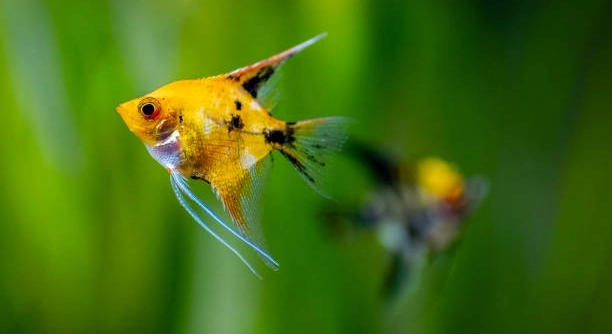
Angelfish are known for their beauty and graceful swimming, but sometimes they may float without swimming. This behavior can be concerning for aquarium owners, especially when it seems unusual or happens suddenly.
The primary cause of your angelfish floating but not swimming is often related to swim bladder issues. This condition affects the fish’s ability to control buoyancy, causing it to float or struggle with swimming properly.
Identifying the cause of this behavior can help you take the necessary steps to improve your angelfish’s health. Keep reading for more possible explanations and solutions.
Swim Bladder Disorder
Swim bladder disorder is one of the most common causes of your angelfish floating without swimming. The swim bladder is an organ that helps fish maintain buoyancy in the water. When it malfunctions, your fish might struggle to stay upright or end up floating near the surface. This condition can arise from various factors, including overfeeding, poor water conditions, or injury. In some cases, swim bladder issues are temporary and can be corrected with adjustments to your tank care routine.
Treatment options typically include fasting the fish for a few days to allow the digestive system to clear and reduce pressure on the swim bladder. Water temperature should also be regulated, and you may need to adjust the tank’s pH level. Adding aquarium salt can sometimes help reduce swelling and improve buoyancy.
If your angelfish continues to float without swimming, it’s a good idea to consult an aquatic veterinarian to rule out more serious underlying issues, such as infection or physical damage. Early intervention is key to improving their health.
Overfeeding
Overfeeding can easily lead to swim bladder problems. Excess food can cause your angelfish to become bloated, affecting its ability to maintain proper buoyancy.
The best way to prevent this is by ensuring you’re feeding your fish the correct amount. Feed smaller portions and remove any uneaten food from the tank.
Poor Water Quality
Water quality is crucial for your angelfish’s health. High levels of ammonia, nitrites, or nitrates can stress your fish, leading to buoyancy issues. Keep an eye on the water parameters with regular testing.
To fix water quality issues, perform regular water changes and maintain a proper filtration system. Clean your tank and gravel to remove any accumulated debris. If water parameters are not within the recommended range, take steps to adjust them gradually to avoid further stress to your fish. Regular monitoring and maintenance will help ensure your fish remain healthy.
When water quality is compromised, it can weaken the immune system of your angelfish, making them more susceptible to diseases. Poor water conditions can also cause other physical problems, such as fin rot or skin lesions. To prevent this, ensure the tank is not overcrowded, as too many fish can quickly degrade the water quality. A stable and clean environment is essential for your fish’s well-being.
Infections or Parasites
Infections or parasites can also cause your angelfish to float unnaturally. These can affect the fish’s internal organs, including the swim bladder, leading to buoyancy problems. It’s important to spot early signs like faded colors or abnormal behavior.
Treating infections involves isolating the affected fish and administering medication specific to the issue. Quarantining the infected fish prevents the spread of disease to others. When treating with medication, always follow the instructions carefully to avoid further harm. Regularly check the fish for signs of improvement, as some infections may require multiple treatments.
Stress
Stress is another common factor that can cause your angelfish to float without swimming. Stress can come from a variety of sources, such as tank mates, sudden changes in water temperature, or loud noises. Stress can lead to a weakened immune system, making your fish more susceptible to health issues.
To reduce stress, make sure your tank environment is stable. Avoid abrupt changes in water conditions, and ensure your fish are not being harassed by other tank mates. Providing plenty of hiding spaces can help them feel secure. Maintaining a peaceful and quiet environment will also reduce stress levels.
Tank Size
Tank size plays a big role in your angelfish’s health. If the tank is too small, the fish may become stressed or have trouble swimming, leading to floating. Make sure the tank provides enough space for the fish to move comfortably.
Angelfish can grow quite large, so they need a spacious tank. A 30-gallon tank is usually the minimum for one or two angelfish. Overcrowding can cause stress and lower water quality, both of which contribute to swim issues. Providing sufficient space and proper filtration will keep your fish happier and healthier.
Injury
Injuries can cause your angelfish to float instead of swim. Whether from fighting with other fish or hitting a hard object, injuries can affect their ability to swim properly. You may notice physical signs such as torn fins or swelling.
If your angelfish is injured, consider isolating it to prevent further harm from tank mates. Treat any visible wounds with aquarium-safe medicine. Depending on the injury, the fish may recover, but in more severe cases, you may need professional help to treat the issue effectively.
FAQ
What should I do if my angelfish is floating but not swimming?
If your angelfish is floating without swimming, first check the water quality. High levels of ammonia or nitrites can cause stress and health issues. Make sure the tank has proper filtration and perform water changes. Additionally, check for swim bladder disorders, which can be caused by overfeeding or poor water conditions. If the fish is showing signs of injury or infection, consider isolating it and treating accordingly.
How can I tell if my angelfish has swim bladder disorder?
Symptoms of swim bladder disorder include abnormal swimming, floating at the surface, or sinking to the bottom. The fish may also appear lethargic or have difficulty maintaining a normal swimming posture. If you suspect swim bladder issues, fast the fish for a couple of days and monitor its behavior. Adjusting water conditions and ensuring a proper diet can often help.
Can overfeeding cause my angelfish to float?
Yes, overfeeding is a common cause of floating. When fish are overfed, they can become bloated, which puts pressure on the swim bladder and causes buoyancy issues. To avoid this, feed your angelfish smaller portions and remove any uneaten food after a few minutes. Regularly check that the fish is eating the appropriate amount.
How often should I change the water in my angelfish tank?
Water changes should be done regularly, about 25-30% of the tank’s volume every two weeks. If your angelfish is showing signs of stress or swimming difficulties, more frequent water changes may be needed. Ensure that the water temperature, pH, and hardness are stable during each change.
What tank size is best for angelfish?
Angelfish require space to thrive, so a minimum tank size of 30 gallons is recommended for one or two fish. Larger tanks are ideal, especially if you have multiple fish. A spacious tank reduces stress, allows for proper swimming, and helps maintain better water quality.
Can poor water quality cause my angelfish to float?
Yes, poor water quality is a major cause of stress and health problems for your angelfish. High ammonia, nitrites, or nitrates can weaken their immune system and cause buoyancy issues. Always test your water parameters and adjust them as needed. Regular water changes and proper filtration are essential for maintaining healthy water quality.
How do I treat an injured angelfish?
If your angelfish has an injury, isolate it in a separate quarantine tank to prevent further stress or attacks from other fish. Clean the wound with aquarium-safe treatment, and if necessary, add salt to the water to reduce swelling. Monitor the fish closely for recovery. If the injury seems severe or if there’s no improvement, consider consulting an aquatic veterinarian.
Is stress a common cause of floating in angelfish?
Yes, stress can cause your angelfish to float instead of swimming. Stress can result from factors like poor water quality, overcrowding, sudden temperature changes, or aggressive tank mates. To reduce stress, maintain a stable environment, and ensure the fish are not being harassed by other tank mates.
Can I fix swim bladder disorder at home?
In many cases, you can fix swim bladder disorder at home. Start by fasting your angelfish for 48 hours to help it clear out any undigested food that may be putting pressure on the swim bladder. Also, check the water quality, adjust the temperature, and add aquarium salt if necessary. If the issue persists, you may need to consult a vet or aquatic specialist.
How can I tell if my angelfish is sick?
Look for signs like abnormal swimming behavior, lack of appetite, fading colors, swollen body parts, or unusual lesions on the skin. If your angelfish seems lethargic or is swimming strangely, it may be suffering from a disease or stress. Early detection can help prevent further issues, so keep a close eye on your fish’s behavior and appearance.
Can tank mates affect my angelfish’s swimming?
Yes, aggressive tank mates or fish that are too large for the tank can cause stress, making your angelfish float instead of swim. Ensure that tank mates are compatible and that there is enough space in the tank. Aggressive behavior can affect the health of your fish, leading to buoyancy problems and other health issues.
What temperature should I keep my angelfish tank at?
Angelfish prefer warm water, with an ideal temperature range of 76°F to 82°F (24°C to 28°C). Fluctuations in temperature can cause stress and contribute to swim bladder issues. Invest in a reliable aquarium heater to maintain a steady, comfortable temperature for your fish.
Final Thoughts
Angelfish floating without swimming can be a troubling sight for any aquarium owner. Several factors can contribute to this issue, including poor water quality, overfeeding, stress, and potential health problems such as swim bladder disorder or infections. It’s essential to carefully assess your tank’s environment and the fish’s behavior to determine the underlying cause. Regular water changes, proper filtration, and maintaining stable water conditions are the first steps in preventing and addressing these issues.
In some cases, treatment may be necessary to help your angelfish recover. If the fish is suffering from swim bladder disorder, adjusting feeding habits or isolating the fish in a quarantine tank can sometimes improve the situation. If the problem is due to stress, providing more hiding spaces and reducing aggression from tank mates may help. Injuries should be treated promptly, and any signs of infection should be addressed with appropriate medication. Keeping a close eye on your fish’s behavior and physical condition is essential to identifying problems early and ensuring their well-being.
Ultimately, the health of your angelfish depends on a combination of factors. By providing them with the right environment, proper care, and regular maintenance, you can prevent many of the issues that lead to floating. If you ever find yourself unsure about your fish’s health or behavior, it’s always a good idea to consult with an aquarium specialist or a vet. With the right attention, your angelfish can thrive and swim freely without issues.

Hello,
If you enjoy the content that we create, please consider saying a "Thank You!" by leaving a tip.
Every little bit helps us continue crafting quality advice that supports the health, happiness, and well-being of pets around the world, for pets of all shapes, sizes, and species.
We really appreciate the kindness and support that you show us!