
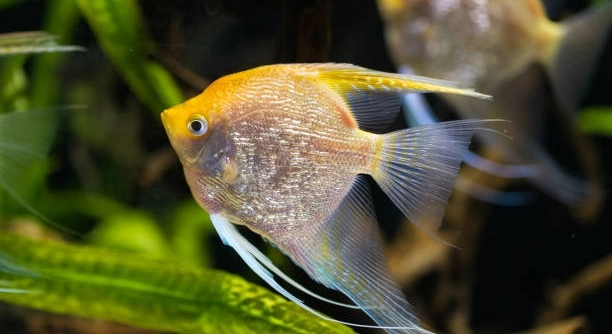
Introducing new fish into your aquarium can be exciting, but it can also cause some unexpected behavior in your angelfish. If you’ve noticed your angelfish acting shy or hiding, there may be a few reasons behind this change in behavior.
Angelfish may act shy around new fish due to territorial instincts, stress, or unfamiliarity with the newcomers. It can also be caused by changes in the tank environment or even health issues. These factors all contribute to their cautious behavior.
There are several possible reasons why your angelfish might act shy when introduced to new fish. Understanding these causes can help you address any issues and create a peaceful environment for all your aquatic pets.
Territorial Behavior
Angelfish are naturally territorial and can become protective of their space, especially when new fish are introduced. They tend to establish boundaries in the tank and may not take kindly to unfamiliar faces. Your angelfish might hide or act shy around newcomers as they try to assess the situation. This behavior is often seen when the new fish are of similar size or species, as angelfish may feel threatened by potential competition for resources.
Territorial instincts are a key reason why your angelfish might shy away from new fish. These instincts can trigger a sense of insecurity, especially when they feel their environment is being disrupted.
The size and type of the new fish can also impact your angelfish’s reaction. If the newcomer appears more dominant or assertive, your angelfish may retreat to avoid confrontation. However, if the new fish is smaller or less active, the angelfish may gradually become more comfortable and less defensive. It’s important to monitor these interactions to ensure everyone gets along. Introducing new fish slowly and carefully can help reduce stress for your angelfish and other tankmates.
Stress and Anxiety
Stress plays a significant role in how your angelfish behaves around new fish. When there’s a sudden change in their environment, such as the addition of unfamiliar species, it can cause anxiety. This anxiety can make your angelfish retreat into hiding spots or behave timidly.
When introducing new fish, the water temperature, lighting, and tank layout can also contribute to the stress level. If the environment becomes too chaotic, your angelfish may feel unsafe. It’s essential to keep the tank conditions stable to minimize anxiety.
Stress-induced shyness can take time to resolve, and during this period, your angelfish may avoid interaction with the newcomers. If possible, try to keep the tank environment calm by ensuring all fish have enough space and hiding spots. You can also consider using a tank divider to give the angelfish and new fish some time to adjust to each other. Proper acclimatization can help ease the stress and make the transition smoother for everyone involved.
Health Issues
Illness or discomfort can make your angelfish shy away from new fish. If your fish isn’t feeling well, it may become more withdrawn or avoid socializing. Stress from illness can also make it harder for the angelfish to adapt to new tankmates.
Common health problems like parasites or skin infections can lead to behavioral changes in angelfish. When they’re not feeling their best, they’re less likely to engage with new fish and may hide more frequently. This is because they feel vulnerable and want to protect themselves. If you notice this behavior, check for any physical symptoms of illness, such as faded colors or abnormal swimming patterns.
It’s important to address any health issues immediately. A stressed or ill fish will struggle to coexist with newcomers, as they may not have the energy to assert themselves or establish boundaries. Quarantining the sick fish can help prevent the spread of disease while allowing it to recover in a safer environment. Regular water testing and routine care can also improve the overall health of your angelfish, reducing the likelihood of illness-related behavior changes.
Tank Environment Changes
Changes to your tank’s environment can contribute to your angelfish’s shy behavior. Alterations in tank setup, such as adding decorations or changing the water chemistry, can create uncertainty for your fish. Even small changes can make your angelfish feel unsettled, making it more likely to act shy around new fish.
When introducing new fish, it’s important to maintain stability in the tank. Sudden changes can stress your angelfish, causing it to retreat or hide. The presence of new fish alone can be enough to trigger this response, but any other alterations in the tank may compound the problem.
A sudden change in water parameters, such as pH or temperature, can increase your angelfish’s stress levels, making it even more wary of new fish. If your tank isn’t properly cycled or if the water quality isn’t ideal, this can add to the tension. A stable environment, free from sudden disruptions, will help your angelfish feel more comfortable around newcomers. Maintaining good tank conditions is key to keeping your fish healthy and less stressed.
Size and Species Differences
The size or species of the new fish can influence how your angelfish reacts. If the newcomer is significantly smaller, your angelfish might feel safe but still shy due to the unfamiliar presence. Larger or more assertive fish can make the angelfish feel threatened.
Angelfish are naturally curious, but their behavior changes depending on the size or personality of the new fish. If the new fish is too large, your angelfish may avoid them out of caution. This is especially true if the new fish displays dominant behaviors, as your angelfish will feel vulnerable.
Overcrowding
Overcrowding in the tank can lead to stress and shy behavior in your angelfish. If there isn’t enough space for all the fish, your angelfish may feel cramped and reluctant to interact with others. Proper space is key to a healthy tank.
Angelfish need their own space to thrive. When a tank becomes overcrowded, it can lead to aggression and territorial disputes. Your angelfish might feel the need to retreat more often, avoiding interaction with new fish out of stress. Providing enough space and hiding spots can help ease this issue.
Dominance Struggles
New fish may try to assert dominance, leading to shy or defensive behavior from your angelfish. If your angelfish feels threatened by this new dominance, it might choose to hide. This behavior is common when establishing a pecking order.
The introduction of new fish can disrupt the current hierarchy in your tank. If your angelfish is used to being the dominant fish, it may feel insecure when a newcomer challenges this role. This often results in the angelfish acting more shy or territorial. Over time, the hierarchy should settle down as the fish adjust.
FAQ
Why is my angelfish hiding from new fish?
Hiding is a natural behavior for angelfish when they feel stressed, threatened, or uncomfortable. New fish in the tank can be a cause of this reaction. Angelfish are territorial by nature, and the introduction of unfamiliar fish can disrupt their sense of security. This behavior may improve as they get used to the newcomers, but if the stress continues, it could indicate a deeper issue, such as illness or environmental changes.
How long does it take for my angelfish to adjust to new fish?
The adjustment period varies depending on the fish and tank conditions, but it generally takes anywhere from a few days to a couple of weeks. Angelfish need time to become familiar with their new tankmates and settle into their new routine. During this time, it’s important to monitor their behavior closely and ensure that the tank conditions remain stable. You may also want to offer plenty of hiding spaces to reduce stress for both the new fish and the angelfish.
Can angelfish get along with other species?
Angelfish are generally peaceful but can become territorial, especially when they feel their space is being invaded. They tend to get along well with other fish that are similarly peaceful and not too aggressive. Avoid placing angelfish with overly assertive or much larger fish, as this could trigger territorial behavior. Species that stay towards the middle of the tank and are not too active will likely be good companions for angelfish. It’s also helpful to monitor the fish interactions in the beginning and remove any fish that may cause stress.
What are the signs that my angelfish is stressed?
Signs of stress in angelfish include hiding frequently, swimming erratically, loss of appetite, and color fading. Stress can also cause your angelfish to stop interacting with other fish or to show unusual behaviors like excessive darting or rubbing against objects in the tank. If you notice these signs, it’s important to check the water conditions, ensure there are no aggressive tankmates, and make sure your angelfish is in good health.
How can I reduce stress when introducing new fish?
To reduce stress, introduce new fish slowly. Consider using a quarantine tank for the new fish before adding them to the main tank to prevent sudden disruptions. You can also rearrange the decorations in the tank to break territorial boundaries. Make sure the water parameters like pH, temperature, and hardness are consistent to avoid creating a stressful environment. Lastly, adding the new fish in groups rather than singly can make them feel more secure, as they’ll have company and won’t be as focused on the existing angelfish.
Do angelfish need a lot of space?
Yes, angelfish require a tank with plenty of space to swim and establish their territory. A 30-gallon tank is often recommended for a pair of angelfish, though larger tanks are even better. This allows the fish to have enough room to avoid conflicts and feel more comfortable. Having multiple hiding spots also gives them a place to retreat to if they feel threatened. Overcrowding can stress out angelfish, so always ensure your tank has sufficient space and water quality.
Can water quality affect my angelfish’s behavior?
Poor water quality is one of the leading causes of stress in fish. Angelfish are sensitive to changes in water conditions, and if the water becomes polluted, it can lead to signs of stress, illness, and shy behavior. Regular water changes and maintaining stable water parameters, such as temperature, pH, and ammonia levels, are essential for keeping your angelfish healthy and comfortable. Test the water regularly to ensure it’s within optimal ranges and act quickly if you notice any imbalances.
How do I know if my angelfish is sick or just stressed?
It can be difficult to tell the difference between illness and stress, but there are a few signs to look for. If your angelfish is showing symptoms like lethargy, faded colors, or abnormal swimming, these could be signs of illness. Stress usually manifests in behaviors like hiding or avoiding interaction with other fish, but the fish will generally still look healthy. If you suspect illness, inspect the fish for any physical signs of disease, such as lesions, abnormal growths, or parasites. If the behavior doesn’t improve after a few days, consider consulting a vet or aquarium specialist.
Will adding more plants help with my angelfish’s shyness?
Yes, adding more plants and hiding spots can help your angelfish feel more secure. Plants provide places to hide and reduce the feeling of being exposed, which can be especially helpful when there are new fish in the tank. They also help with water quality by providing oxygen and absorbing nitrates. However, make sure the plants are not too dense, as this could make the tank feel overcrowded. A mix of floating plants, rooted plants, and open swimming areas is ideal for creating a balanced, stress-reducing environment for your angelfish.
Should I be concerned if my angelfish won’t eat after the new fish are introduced?
A lack of appetite can be a sign of stress. If your angelfish refuses to eat after the introduction of new fish, it’s likely due to the added tension in the tank. Give your angelfish time to adjust, and try offering different types of food to encourage eating. However, if the refusal to eat continues for more than a few days, it could signal health problems. Monitor the water quality, ensure the fish aren’t sick, and consider separating the fish if aggression is a factor.
How do I safely introduce new fish to my angelfish tank?
To safely introduce new fish, first quarantine the new fish in a separate tank for at least 14 days to prevent any potential diseases from spreading. Once you’re ready to add them to the main tank, ensure the water conditions are ideal and stable. Gradually introduce the new fish by placing them in a separate section of the tank using a divider or adding them during a water change when the fish are less likely to be aggressive. Watch the interactions closely and be prepared to intervene if any aggressive behavior occurs.
Understanding why your angelfish acts shy around new fish can be a helpful step in creating a peaceful aquarium environment. It’s common for angelfish to display defensive behaviors like hiding or swimming less actively when new tankmates are introduced. These actions are typically a result of territorial instincts, stress, or simply the need for time to adjust. Recognizing that these behaviors are natural can help you manage the situation with less frustration.
It’s important to remember that patience is key. Fish, especially angelfish, require time to adapt to changes in their environment. Whether it’s adjusting to new water conditions, settling into a tank with new fish, or overcoming the stress of a disrupted territory, your angelfish will need some time to acclimate. During this adjustment period, you can help by maintaining stable water quality and providing enough hiding spaces to reduce stress for all your fish. If the shyness persists, observing the tank dynamics closely will allow you to address any issues before they become serious.
In the end, most angelfish will eventually adjust and return to their usual behavior once they feel safe and secure. By offering a stable environment, being mindful of their needs, and giving them time to settle in, you can help reduce their shyness. If necessary, take steps to address any health or social issues that arise, as this can ensure long-term comfort for your angelfish. Creating a healthy, balanced tank where all the fish feel secure will allow your angelfish to thrive and interact peacefully with their new tankmates.

Hello,
If you enjoy the content that we create, please consider saying a "Thank You!" by leaving a tip.
Every little bit helps us continue crafting quality advice that supports the health, happiness, and well-being of pets around the world, for pets of all shapes, sizes, and species.
We really appreciate the kindness and support that you show us!