
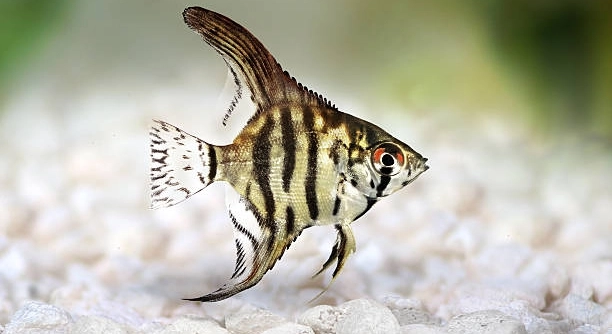
Angelfish are beautiful creatures, and creating the ideal environment for them is key to their well-being. One way to achieve this is by adding plants that provide shelter and comfort. These plants offer both protection and aesthetic appeal.
Certain plants are especially beneficial for angelfish, as they provide shelter and help maintain water quality. Plants like Java fern, Anubias, and Amazon sword are great choices. They mimic their natural habitat and support angelfish health and behavior.
Choosing the right plants can create a calming and natural space for your angelfish. Understanding how each plant serves your tank will ensure a healthier environment for your fish.
Java Fern: A Popular Choice for Angelfish
Java fern is a hardy plant that does well in a variety of water conditions, making it perfect for angelfish tanks. Its broad leaves provide ample hiding spaces, allowing angelfish to feel secure. This plant is also low-maintenance, requiring minimal care to thrive. It attaches easily to rocks or driftwood, offering both visual appeal and practical shelter. The Java fern’s ability to grow in different lighting conditions adds to its versatility, making it a top choice for many fish owners. Plus, its slow growth means you won’t constantly need to trim it, which keeps maintenance easy.
Java fern is an excellent plant for angelfish tanks due to its hardy nature and ability to provide shelter.
This plant’s leaves provide hiding spots for angelfish to escape from stress. With minimal care required, it’s an ideal choice. Java fern grows well in low to moderate light, making it an easy plant to incorporate into almost any setup.
Anubias: Durable and Reliable Shelter
Anubias is another sturdy option for angelfish tanks. Its thick, leathery leaves create safe spots for angelfish to retreat and rest. Like Java fern, Anubias is a slow-growing plant that doesn’t require frequent pruning. This makes it perfect for fish owners who want a long-lasting solution with minimal upkeep. Anubias does well in low to moderate lighting, making it suitable for various aquarium setups. Its flexibility in placement is another benefit, as it can grow attached to rocks or driftwood or even left free-floating in the tank.
Anubias provides durable shelter and grows well under minimal care, making it ideal for angelfish owners.
Anubias thrives in aquariums with moderate or low lighting and can be placed in a variety of ways. It also grows slowly, so it doesn’t overwhelm the tank with fast growth. This allows your angelfish ample space and comfort, without the need for constant trimming or adjustments. It can even tolerate various water temperatures, adding to its reliability as a plant for angelfish.
Amazon Sword: A Spacious Hiding Spot
The Amazon sword plant is a classic choice for providing shelter in angelfish tanks. Its large, broad leaves create a perfect hiding spot for angelfish, which can make them feel safe and secure. As a robust plant, it thrives in nutrient-rich substrate, so it’s ideal for aquariums with good water quality. Unlike other plants, the Amazon sword grows larger and provides ample coverage, which helps in creating the ideal hiding spaces for angelfish. Additionally, the plant’s fast growth rate ensures that angelfish can always find new areas to explore.
The Amazon sword offers large leaves for fish to hide beneath, creating a stress-free environment for angelfish.
Its rapid growth and large leaves mean it can fill in tank spaces quickly. However, it does require regular trimming to keep it under control. With proper care, the Amazon sword becomes a perfect plant for creating sheltered areas, keeping angelfish feeling comfortable in their environment.
Water Wisteria: Light and Shelter Combined
Water wisteria grows quickly and fills the tank with light green, feathery leaves that angelfish love to swim through. It provides excellent cover while letting light pass through, making the tank look bright and lively.
Water wisteria grows well in various conditions and adds natural charm to any aquarium. Its soft, lace-like leaves create gentle barriers that help angelfish feel protected without blocking their swimming space. This plant is rooted in substrate but can also float, offering flexible placement. Its fast growth helps with water quality by absorbing excess nutrients, which keeps the environment clean. It’s also easy to trim when it gets too tall. Angelfish enjoy weaving through its fine leaves, which gives them stimulation and a sense of safety.
Because it spreads out quickly, water wisteria can easily take over part of your tank. Keeping it trimmed helps maintain balance and ensures it doesn’t outcompete other plants. Its bright green look can also bring contrast to darker plants or decorations. Some angelfish may even lay their eggs on its leaves, which gives them a practical use during breeding. Whether rooted or floating, water wisteria is a great addition for those wanting shelter that also brightens up the tank.
Hornwort: Floating Shelter That Grows Fast
Hornwort is ideal if you need a low-maintenance, fast-growing plant. It floats on the surface or can be anchored, giving angelfish a thick cover from above. This makes them feel more secure, especially when they’re resting or breeding.
Hornwort doesn’t require planting in the substrate, which gives you freedom to place it wherever you like. It grows fast, sometimes doubling in size within weeks, and helps reduce algae by absorbing extra nutrients. Its fine, bushy structure creates a dense cover that angelfish use to hide, especially near the surface. This plant also oxygenates the water and works well in a wide range of tank setups. Because of its growth rate, it may need regular trimming. However, it’s very easy to propagate—just clip a piece, and it grows back quickly, making it a reliable shelter option.
Vallisneria: Tall Grass for Natural Shelter
Vallisneria grows long, ribbon-like leaves that stretch to the top of the tank, creating a forest-like space. Angelfish enjoy weaving through it, using the tall blades as shelter from light and movement.
This plant is easy to grow and spreads by sending out runners. It thrives in moderate lighting and helps with water oxygenation.
Cryptocoryne: Low-Growing and Calm
Cryptocoryne stays low to the substrate, creating a calm, shaded area for angelfish to rest. It grows slowly and does best in stable conditions without sudden changes. Its sturdy leaves don’t break easily, even when fish swim through them. It’s great for foreground planting and doesn’t need frequent trimming.
Duckweed: Floating Cover for Shy Fish
Duckweed forms a layer on the water’s surface that blocks bright light and helps shy angelfish feel safe. It grows quickly, so it needs to be removed regularly to prevent overcrowding and light loss.
FAQ
Do angelfish really need plants in their tank?
Yes, angelfish benefit greatly from having plants in their tank. Plants provide shelter, reduce stress, and create a more natural environment. In the wild, angelfish live in planted areas with lots of places to hide and rest. Adding plants to your aquarium helps mimic that setting, making the fish feel safer and more comfortable. Plants also offer surfaces for angelfish to spawn and lay eggs. Without plants, the tank may feel too exposed or open, which can lead to stress and even aggression between fish. Shelter improves their overall health and behavior.
Which type of plant is best for a beginner angelfish tank?
Java fern is a great beginner plant. It’s very easy to care for, doesn’t need strong lighting, and can survive in a wide range of water conditions. It grows slowly and attaches to rocks or driftwood, so you don’t need to worry about planting it in the substrate. Anubias is another solid option, with similar care needs and strong, broad leaves that don’t get damaged easily. Both plants are low-maintenance and help create a secure space for angelfish, making them ideal choices if you’re just starting out.
Can live plants affect the water quality in the tank?
Yes, live plants can actually improve water quality. They absorb nitrates and excess nutrients that come from fish waste, leftover food, and decaying material. This helps reduce harmful substances in the tank and keeps the water cleaner. Plants also produce oxygen during the day, which supports healthy fish and bacteria. However, you still need to do regular water changes and maintenance. Plants help a lot, but they don’t replace proper care. Some fast-growing plants like hornwort or water wisteria are especially good at helping maintain better water balance.
Do floating plants work well with angelfish?
Floating plants like duckweed and hornwort can work well, especially for angelfish that prefer a more shaded environment. These plants help reduce bright light, which can make fish feel more secure. Floating plants also offer cover from above, which is useful if your angelfish are shy or stressed. However, some floating plants grow very fast and can block out too much light, which may affect other plants or tank visibility. You’ll need to manage growth by trimming them or removing extra plant matter when needed.
Can plants help with angelfish breeding?
Yes, plants can play a big role in breeding. Angelfish often choose wide leaves, like those from Amazon sword or Anubias, as spots to lay their eggs. These plants give the fish a flat, stable surface that’s easy to clean and guard. The shelter created by plants also helps reduce stress during the breeding process. Fry (baby fish) can use plants to hide from adult fish or strong currents, increasing their chance of survival. A well-planted tank gives breeding pairs a more natural and comfortable setting.
Are plastic plants okay instead of live ones?
Plastic plants can provide hiding spots, but they don’t offer the same benefits as live plants. They don’t help clean the water, add oxygen, or support tank stability. Some plastic plants also have sharp edges that can damage angelfish fins. If you choose artificial plants, look for soft, silk-like ones. Live plants do take a bit more effort, but the rewards are worth it. They create a more balanced and natural aquarium that supports your angelfish’s health, behavior, and comfort over time.
How many plants should be in an angelfish tank?
There’s no exact number, but try to cover around 50% to 70% of the tank with plants. This gives angelfish enough space to swim while still offering plenty of hiding areas. Include a mix of tall plants in the background, short ones in the front, and maybe a few floating options on top. This layout makes the tank feel layered and safe. Too many plants can reduce swimming space and make cleaning harder, while too few won’t provide enough shelter. Balance is the key.
What should I do if my plants start to die?
If your plants are dying, check for common issues like poor lighting, lack of nutrients, or unstable water conditions. Make sure your lighting matches the needs of the plants you’ve chosen. Some need more light than others. Consider adding a liquid fertilizer if your tank lacks nutrients. Dying plants can rot and release waste into the water, which affects angelfish health. Trim off any dead parts and clean the tank as needed. Once the conditions improve, healthy growth usually returns. Choose hardy plants if you’re still learning.
Final Thoughts
Creating a safe and natural home for angelfish is easier when you include the right plants in their tank. Plants not only make the tank look more peaceful, but they also give angelfish shelter, reduce stress, and improve water quality. Choosing the right mix of plants can make a big difference in how your angelfish behave and feel. Some plants offer wide leaves for egg-laying, while others give them places to hide or rest. Whether you’re using floating plants or rooted ones, each type has a purpose and helps build a better environment.
Not every plant will work well in every setup, so it’s important to pick ones that match your tank’s size, lighting, and care routine. If you’re new to keeping live plants, start with low-maintenance options like Java fern or Anubias. These are easy to manage and provide plenty of cover. For larger tanks, fast-growing plants like Amazon sword or water wisteria can help fill space and make the aquarium feel more complete. Floating plants like duckweed or hornwort are great if your angelfish seem shy or prefer shade. Just remember to trim or clean as needed to avoid overcrowding.
Overall, plants are more than just decoration—they play an important role in keeping your angelfish healthy and comfortable. Watching your angelfish swim through tall grass-like plants or rest under floating leaves can be a sign that they feel safe in their space. Even if you’re not aiming for a fully planted tank, adding just a few of the right plants can still make a big impact. By paying attention to the needs of both your fish and your plants, you can create a tank that supports life and stays beautiful.

Hello,
If you enjoy the content that we create, please consider saying a "Thank You!" by leaving a tip.
Every little bit helps us continue crafting quality advice that supports the health, happiness, and well-being of pets around the world, for pets of all shapes, sizes, and species.
We really appreciate the kindness and support that you show us!