
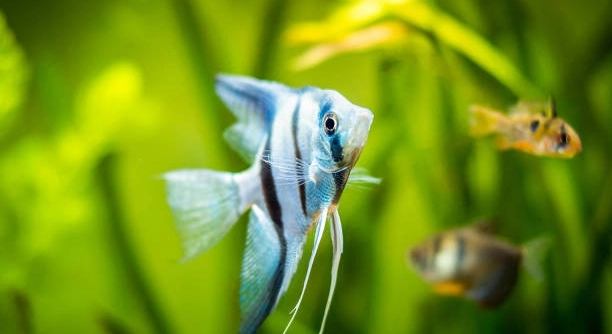
Angelfish are known for their graceful beauty, but they can sometimes display unexpected aggression, especially at night. If you’ve noticed your angelfish becoming more hostile after the sun sets, you’re not alone.
The increase in aggression may be due to several factors, such as changes in their environment, natural behaviors, or internal stressors. Understanding the underlying causes of this nighttime aggression can help you address and reduce this behavior effectively.
By learning about these potential triggers, you can create a more peaceful environment for your angelfish. This article explores seven theories to help you better understand their nocturnal behavior.
Changes in Lighting and Visibility
Angelfish are sensitive to light, and the way light changes throughout the day can impact their behavior. When the lights in your tank dim at night, the lack of visibility can cause them to feel insecure. They rely on their sight to navigate and detect threats, so in the dark, they may become more defensive. This can lead to aggressive actions towards other fish or objects in their environment. Fish generally adjust to lower light levels, but the sudden change from bright to dim light can be stressful.
Bright lighting throughout the day helps them stay active and engaged. At night, dimming the lights gradually can reduce the shock to their system, making them feel more comfortable. The intensity and timing of light shifts in the tank may be key to minimizing stress and aggressive behavior.
Ensuring your tank is lit consistently and gently dimmed at night will help your angelfish adjust better. They rely on their surroundings to guide their actions, and when those surroundings change drastically, their natural behavior may shift. Maintaining a steady light cycle can go a long way in managing aggression in your angelfish.
Water Temperature and Stress
Water temperature can greatly affect your angelfish’s mood and behavior. When temperatures fluctuate too much, it can stress them out. Angelfish are tropical species that thrive in consistent warm water. If the water becomes too cold or too warm, it could cause discomfort, leading to more aggressive actions. When the water is cooler at night, your angelfish may try to assert dominance over the other fish to protect their territory.
Angelfish will often exhibit more defensive behaviors if they’re not comfortable in the water. Temperatures outside their preferred range can lead to physical stress, making them more irritable. Checking your tank’s water temperature regularly and adjusting it as needed can reduce the chances of aggression. A consistent temperature, ideally between 76-82°F (24-28°C), helps your angelfish feel calm and secure.
Keeping the water at a stable temperature is crucial for maintaining a peaceful tank environment. Aggression is often a response to stress, and temperature is a major factor in that. Make sure your heater is working properly and the water stays within the right range to keep your angelfish content.
Territorial Behavior
Angelfish are naturally territorial, especially during the night when they may feel more vulnerable. As the lights dim, their instinct to protect their space becomes more pronounced. If your angelfish share the tank with other fish, they may act aggressively to defend their territory. This behavior is a way to establish dominance and ensure their own safety.
As nocturnal fish, angelfish might become more active after dark, especially if they sense any movement or perceived intruders in their space. If you notice your angelfish being aggressive at night, consider rearranging the tank to give each fish enough room to claim a territory. This can minimize conflicts.
Territorial disputes are common among fish in smaller tanks. In a confined space, angelfish may become more possessive over the area they consider their own. Adding plants, rocks, and hiding spots can give them areas to retreat to. This helps reduce aggression as they feel less threatened by other fish.
Feeding Schedule
Your feeding routine can affect your angelfish’s mood, especially at night. If you feed them too late, they may become more restless and agitated. Angelfish are most active during feeding time, and if they are fed late in the evening, they may have excess energy that leads to aggression. A regular feeding schedule can help manage their behavior and prevent nighttime outbursts.
Feeding them on a consistent schedule gives your angelfish structure and predictability. If their food intake is irregular, they might become anxious, leading to more aggressive actions. Additionally, overfeeding can contribute to stress as they compete for resources. Keeping the timing and quantity consistent helps maintain a calm tank environment.
It’s important to feed them during the day, with enough time for digestion before the night. This will ensure they are not too hungry or too full when it’s time to rest. A proper feeding routine supports both their physical health and emotional well-being, reducing the chances of them becoming agitated at night.
Lack of Proper Tank Size
If your angelfish are kept in a tank that’s too small, they may feel crowded, leading to aggression. Angelfish need space to swim and establish their territories. A cramped tank increases stress, especially during the night when they naturally become more active.
A larger tank allows your fish to spread out, reducing the competition for space. Without enough room, they are more likely to act out aggressively, especially if other fish are close by. Ideally, your angelfish should have at least 20 gallons per pair, with additional space for each new fish.
Poor Water Quality
Angelfish are sensitive to poor water quality, which can increase their stress levels, making them more aggressive. Dirty water, high ammonia levels, or imbalanced pH can lead to discomfort. When water quality is compromised, angelfish often show aggression as a response to the stress.
Regularly testing and maintaining your tank’s water parameters is vital for keeping your fish calm. High levels of toxins can irritate their skin and gills, making them more likely to fight with tank mates. Proper filtration, frequent water changes, and careful monitoring of water quality can significantly reduce aggression in your angelfish.
Overcrowding the Tank
Overcrowding your tank can make your angelfish feel threatened, triggering more aggression. When there are too many fish in one space, territorial disputes become inevitable. In a cramped tank, angelfish may constantly clash with others, especially during the night when their instinct to defend their space is stronger.
The more fish in the tank, the higher the chances of conflict. Each fish needs enough space to swim without constantly bumping into others. Reducing the number of fish can make a big difference in the overall behavior of your angelfish.
FAQ
Why does my angelfish get aggressive only at night?
Angelfish are naturally more active at night due to their nocturnal nature. During this time, they may feel more vulnerable and defensive, leading to aggressive behavior. The lack of light can also affect their visibility, making them more protective of their territory. Changes in lighting and the lower visibility can increase their sensitivity, and they may become more territorial or protective as a result.
Can stress make my angelfish more aggressive at night?
Yes, stress plays a significant role in increasing aggression. Fish are sensitive to changes in their environment, and stressors like water quality issues, poor tank conditions, or overcrowding can make them feel threatened. This stress can be heightened at night when they feel less secure. Stress-related aggression is often a result of angelfish trying to assert dominance or protect themselves from perceived dangers in their surroundings.
How does my angelfish’s diet affect their aggression at night?
The timing and frequency of feeding can influence your angelfish’s behavior. Feeding them late at night can make them restless, as they may have excess energy. Angelfish that are fed inconsistently or in large amounts may become agitated, especially if they feel the need to protect their food. A stable feeding schedule and proper portions can help minimize the chances of nighttime aggression.
Do angelfish become more aggressive in small tanks?
Yes, angelfish need space to feel comfortable and secure. A small tank increases the chance of territorial disputes and makes angelfish feel crowded. When they don’t have enough room to move freely, they may become more aggressive, especially at night when their territorial instincts are more active. Providing them with a tank that offers enough space is crucial in preventing aggression.
How does water temperature affect my angelfish’s behavior?
Water temperature has a direct impact on your angelfish’s comfort and mood. If the water temperature is too hot or too cold, it can stress them out and cause behavioral changes, including increased aggression. Angelfish are tropical fish and prefer stable, warm water. A consistent temperature in the range of 76-82°F (24-28°C) can help maintain a peaceful environment and reduce aggression.
What is the role of lighting in my angelfish’s nighttime behavior?
Lighting plays a significant role in an angelfish’s behavior. Bright light during the day helps them stay active, but when the lights dim at night, it can cause them to feel insecure or stressed. This change in lighting can increase their sensitivity, and they may become more aggressive in response. Gradually dimming the lights in the evening rather than turning them off abruptly can help reduce stress.
Do angelfish fight because they are hungry?
Hunger can make angelfish more aggressive, especially if they are not being fed consistently or if their food intake is irregular. If your angelfish are hungry, they may fight with other tank mates over food. Overfeeding can also create competition among them, which can lead to aggression. Maintaining a balanced feeding schedule and offering appropriate portions can help avoid hunger-induced aggression.
What are the best tank conditions for reducing angelfish aggression?
To reduce aggression, angelfish need a spacious tank with proper water conditions. A tank size of at least 20 gallons for a pair of angelfish is ideal. Ensuring the water is clean, with the proper pH, ammonia, and nitrate levels, is key to keeping your fish healthy and calm. Adding plants, rocks, and other hiding spots can also provide security and reduce aggression by giving angelfish spaces to retreat.
How can I reduce aggression between multiple angelfish?
If you have multiple angelfish in your tank, it’s important to ensure there is enough space for each one to establish a territory. Overcrowding can cause territorial disputes, which lead to aggression. You can also introduce new tank mates carefully and ensure they are compatible with angelfish. If aggression persists, rearranging the tank’s layout can help create new boundaries and reduce conflicts.
Can angelfish aggression be a sign of health problems?
Aggression can sometimes be a sign of discomfort or illness. If your angelfish are acting more aggressively than usual, it’s important to check their overall health. Illness, parasites, or injuries may cause them to act out, as they feel more vulnerable. Keep an eye on their behavior and look for other signs of illness, such as abnormal swimming or loss of appetite. Regularly maintaining good water quality and tank conditions can help prevent health issues that lead to aggression.
Do angelfish fight with other species of fish?
Yes, angelfish can become aggressive towards other species of fish, especially if they feel their territory is threatened. They are known to be semi-aggressive, which means they may fight with smaller or more passive tank mates. It’s important to choose tank mates that are compatible with angelfish and avoid those that may provoke their territorial instincts. Always monitor interactions between fish to ensure they are not stressing each other out.
Should I add more hiding spots to reduce aggression?
Yes, adding more hiding spots can help reduce aggression in your angelfish. When they have places to retreat to, they feel less threatened, which can reduce territorial conflicts. Plants, rocks, and decorations can provide these hiding spaces. More hiding spots make the tank environment less stressful for all fish, including angelfish, and help keep aggression levels low.
When dealing with angelfish aggression, understanding the underlying causes can make a big difference in managing their behavior. Angelfish, like many other fish, have specific needs and instincts that, when unmet, can lead to aggression, especially at night. Factors such as water quality, lighting, temperature, and tank size all play a role in how your fish behave. By addressing these aspects, you can create a more comfortable and less stressful environment for your angelfish.
Consistency is key in reducing aggression. Maintaining a stable tank environment, with regular water changes, consistent feeding schedules, and proper lighting, can help reduce stress in your angelfish. Stress is often a major trigger for aggression, and by minimizing stress, you are more likely to see peaceful behavior. It’s also important to give your angelfish enough space to claim their territory. In smaller tanks, fish feel crowded and more likely to fight. Providing a spacious environment will help them feel secure and less inclined to be aggressive.
Lastly, pay attention to the social dynamics in your tank. Angelfish are territorial, and adding too many fish to the tank can result in conflicts. Make sure there are enough hiding spots for each fish to retreat to, and avoid overcrowding. By taking these steps, you’ll be able to create an environment that keeps your angelfish happy and healthy, reducing nighttime aggression. With patience and proper care, you can ensure that your tank remains a peaceful and harmonious place for all your aquatic pets.

Hello,
If you enjoy the content that we create, please consider saying a "Thank You!" by leaving a tip.
Every little bit helps us continue crafting quality advice that supports the health, happiness, and well-being of pets around the world, for pets of all shapes, sizes, and species.
We really appreciate the kindness and support that you show us!