
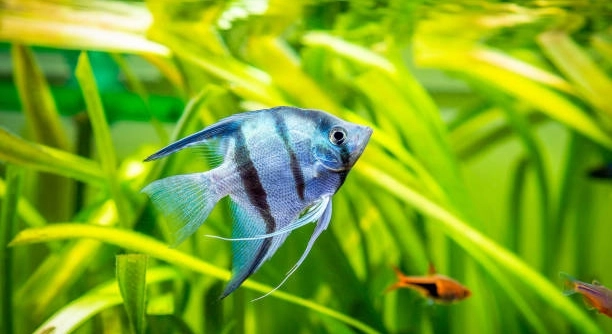
Have you ever watched your angelfish glide through the water and wondered if it truly feels safe and comfortable in its tank?
Angelfish show signs of security through calm swimming, steady appetite, vibrant colors, and consistent interaction with their environment. Reduced hiding, minimal aggression, and responsiveness to feeding routines also indicate a stable and secure aquarium setting.
Recognizing these signs helps support your angelfish’s health and creates a peaceful tank environment for all your aquatic pets.
1. Calm Swimming Patterns
Angelfish that feel secure will swim calmly throughout the tank without darting or hiding for long periods. They explore their space with steady, slow movements, especially when no threats are present. Secure angelfish often glide gracefully from one corner of the tank to another, occasionally stopping to hover near decorations or plants. If tank mates are peaceful and the environment is stable, angelfish become more confident and active. Sudden movements or constant hiding may suggest stress, which can be caused by poor water quality, aggression, or inadequate tank setup. Observing your angelfish daily will help you understand what’s normal for them and spot any sudden behavior changes quickly. Secure fish maintain a predictable routine and show curiosity when you approach the tank. These habits help confirm that your angelfish feels safe in its environment and isn’t being overwhelmed by stressors.
Short, erratic swimming usually indicates stress. Calm, steady movement shows comfort and security in the tank.
Ensure the tank has enough space and hiding spots, and avoid overstocking. Keep lighting moderate, and maintain stable water conditions. Changes in water temperature or quality can affect behavior, so regular maintenance is essential. A peaceful tank setup supports consistent swimming patterns and reduces stress responses.
2. Healthy Appetite and Feeding Response
A secure angelfish will eat regularly. It will swim to the front when it senses food and compete gently for it.
Feeding time offers valuable insight into how secure your angelfish feels. When relaxed, it recognizes feeding patterns and approaches the surface without hesitation. A consistent appetite is one of the clearest signs that your fish is not experiencing stress. Avoid overfeeding or sudden dietary changes, which can upset their system. Stick to a routine, feeding at the same time each day using a balanced diet that includes flakes, pellets, and occasional frozen foods. If your angelfish skips meals or stays in the back during feeding, something may be wrong. This behavior could result from bullying, sickness, or environmental issues. Create a peaceful feeding environment by spacing out food and limiting competition from other fish. A healthy appetite shows the fish is engaged, confident, and feeling secure in its tank setup.
3. Bright and Consistent Coloration
Bright, consistent colors often reflect a secure angelfish. When fish feel threatened or stressed, their colors may fade or appear blotchy, especially around the fins and body.
Color changes are often one of the first signs that something is wrong in the tank. When your angelfish is healthy and feeling secure, its natural coloring remains bold and even. Stress can result from poor water conditions, sudden temperature changes, or overly aggressive tank mates. To keep colors vibrant, maintain consistent tank conditions and minimize sudden changes. Avoid placing the tank in high-traffic areas or near loud noises. Provide hiding spots with plants and decorations, giving your fish a sense of control over its environment. Also, ensure they’re not competing too hard for food, as this can increase stress. Healthy coloring is not just cosmetic—it often shows your angelfish is calm and comfortable where it lives.
Over time, a secure angelfish develops deeper tones and more distinct patterns. This happens naturally with age but is supported by good nutrition and stable surroundings. Monitor for any signs of fading, streaking, or discoloration that appear suddenly. These may suggest health issues or fear-based stress. Consistent color is a reliable way to tell if your fish is adjusting well.
4. Interaction with Tank Environment
Angelfish that feel secure explore their space daily. They interact with plants, decorations, and tank mates, often swimming through openings or hovering near favorite spots.
Fish that feel safe will engage with their surroundings without fear. You may notice your angelfish weaving through plants or slowly inspecting objects in the tank. They tend to establish specific areas they return to, showing familiarity and comfort. If they constantly hover in a corner or refuse to leave one spot, that may be a concern. Secure fish are curious and alert, responding to changes like feeding time or light shifts. Ensure your tank includes varied structures and swimming paths. Avoid overly bare tanks, as these can feel exposed. It’s important that your angelfish can choose when to hide or explore. Providing that choice builds trust in their environment and leads to more stable behavior patterns over time.
5. Minimal Hiding Behavior
Angelfish that feel secure won’t spend most of their time hiding. Occasional use of plants or decorations is normal, but constant hiding suggests discomfort or stress from tank conditions or aggressive fish.
A peaceful tank setup reduces the need for your angelfish to retreat often. If hiding increases, something may be wrong.
6. Peaceful Behavior Toward Tank Mates
Secure angelfish show calm behavior around others. They may establish territory but rarely act overly aggressive. Occasional chasing can happen, especially during feeding or breeding, but constant aggression may indicate stress or poor tank conditions. Monitor their behavior and adjust the environment if needed. Avoid overcrowding and provide enough space.
7. Quick and Calm Response to Movement
A secure angelfish will not dart or panic when you approach the tank. It may pause, observe, or calmly swim toward you, especially if it recognizes feeding times.
FAQ
How can I tell if my angelfish is stressed?
If your angelfish is stressed, you may notice erratic swimming, hiding for long periods, or faded colors. These are common signs of discomfort. Stress can stem from poor water quality, overcrowding, aggressive tank mates, or sudden environmental changes. Keep an eye out for these signs, as they can indicate a need for immediate action to improve the tank environment.
Can angelfish be kept with other fish?
Yes, angelfish can generally be kept with other peaceful fish. However, avoid aggressive species or those that are too small to defend themselves. The angelfish can become territorial, especially during breeding times. It’s essential to ensure that all tank mates are compatible and that there is enough space for everyone to thrive.
Why is my angelfish swimming near the surface?
If your angelfish is swimming near the surface frequently, it could be due to low oxygen levels in the water. It may also be searching for food. Ensure the tank has proper filtration, surface agitation, and aeration to maintain healthy oxygen levels. If the behavior persists, check water quality to rule out any issues.
How often should I feed my angelfish?
Feed your angelfish once or twice a day. Only offer as much food as they can consume in a few minutes. Overfeeding can lead to water quality issues and health problems. It’s essential to provide a balanced diet with both flakes and frozen foods to meet their nutritional needs.
Why is my angelfish hiding more than usual?
Angelfish may hide more when they feel stressed or threatened. This could be due to poor water conditions, aggressive tank mates, or too much light. Ensure the tank has enough hiding spots, and consider adjusting the lighting or rearranging the tank to reduce stress. If the hiding continues, check the water quality and temperature.
Do angelfish need a lot of space?
Yes, angelfish need enough space to swim comfortably. A 30-gallon tank is recommended for a small group of angelfish, and larger tanks are better if you plan to keep multiple fish. Ensure the tank has plenty of vertical space, as angelfish tend to swim up and down rather than side to side.
What temperature should the water be for angelfish?
Angelfish thrive in warm water, with a temperature range between 76°F and 82°F (24°C to 28°C). It’s crucial to keep the temperature stable, as sudden fluctuations can stress the fish. Use a reliable aquarium heater and thermometer to maintain the ideal water temperature.
How do I prevent angelfish from being aggressive?
To prevent aggression in angelfish, ensure they have enough space, avoid overcrowding, and provide plenty of hiding spots. Introducing tank mates gradually and ensuring a peaceful community environment also helps reduce territorial behavior. Ensure the tank has plants and decorations that allow angelfish to establish their own space.
Can angelfish live alone?
Angelfish can live alone, but they often do better in pairs or small groups. In the wild, they tend to live in small social groups. If kept alone, an angelfish may become more territorial and less active. However, if you’re keeping just one, provide plenty of space and stimulation to keep them engaged.
Why is my angelfish not eating?
A lack of appetite in angelfish can be caused by several factors, including poor water quality, stress, or illness. If your angelfish isn’t eating, check the water parameters first, and ensure the tank is stable. If the issue persists, consider isolating the fish for observation or consulting a veterinarian.
How do I care for angelfish eggs?
If your angelfish lays eggs, they may require special care. Make sure the tank is clean and stable. Some angelfish may eat their eggs, while others may guard them. If you want to ensure the survival of the eggs, you may need to move them to a separate breeding tank or use a breeding net.
Are angelfish easy to breed?
Angelfish are relatively easy to breed in a well-maintained tank. They are egg layers and prefer to spawn on flat surfaces like leaves or decorations. If you’re planning to breed them, provide a suitable breeding environment with plenty of space. Maintain good water quality and provide a healthy diet to encourage breeding.
How do I know if my angelfish is healthy?
Healthy angelfish are active, have bright colors, and swim calmly. They eat well and interact with the tank environment. If your angelfish shows signs of lethargy, poor appetite, faded colors, or unusual swimming patterns, it may be a sign of illness or stress. Regular tank maintenance and monitoring for unusual behavior are essential for keeping your angelfish healthy.
Final Thoughts
Caring for angelfish requires attention to their environment, behavior, and health. Ensuring the tank is clean, properly heated, and has enough space for your fish to swim freely is essential for their well-being. Regular water changes, monitoring of water parameters, and providing a varied diet all play a role in maintaining a healthy and secure habitat for angelfish. By creating a stable, peaceful environment, you can help your angelfish feel secure, leading to a more vibrant and active fish. Pay attention to signs of stress or discomfort, as they can indicate issues that need addressing.
Angelfish are generally peaceful, social creatures, but they do need space and a properly balanced tank to thrive. Their behavior can often be a reflection of the environment they are in. Fish that are stressed or feel threatened will show signs such as fading colors, excessive hiding, or aggressive interactions with tank mates. To prevent these issues, provide hiding spots, maintain good water quality, and avoid overcrowding. Choosing compatible tank mates and ensuring a balanced ecosystem within the tank can prevent aggression and encourage peaceful behavior. A secure environment leads to healthier fish that are more comfortable interacting with you and their surroundings.
Finally, keep in mind that every angelfish is different. While some may adapt to their environment quickly and thrive, others may take more time. Patience is key when caring for angelfish, especially when it comes to understanding their behavior and adjusting their environment. With consistent care, regular observation, and a proper setup, angelfish can live long, healthy lives. Taking the time to monitor their behavior and adjusting their tank environment accordingly will ensure your angelfish remain happy and secure in their home.

Hello,
If you enjoy the content that we create, please consider saying a "Thank You!" by leaving a tip.
Every little bit helps us continue crafting quality advice that supports the health, happiness, and well-being of pets around the world, for pets of all shapes, sizes, and species.
We really appreciate the kindness and support that you show us!