
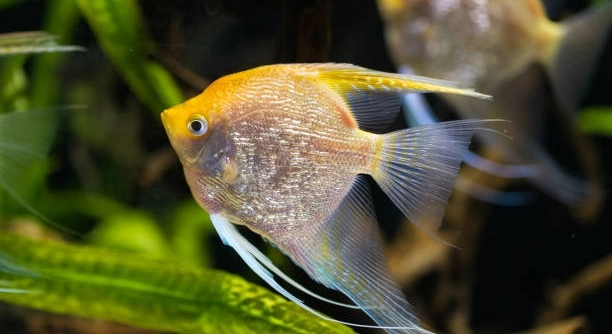
Is your angelfish spending most of its time sitting still, barely swimming around the tank like it usually does? This sudden change in behavior can be confusing and may leave you feeling concerned.
Angelfish that are not moving much may be experiencing stress, illness, poor water quality, temperature issues, or other environmental factors. Inactivity can also be linked to age, injury, or incompatible tank mates.
Identifying the root cause will help you adjust your tank setup and care routine, ensuring your angelfish returns to its normal, active self.
Poor Water Quality
Poor water quality can cause stress and lead to your angelfish staying still for long periods. Ammonia, nitrite, and high nitrate levels can damage their gills and make breathing difficult. Dirty water filled with waste, leftover food, or decaying plants affects oxygen levels and creates an unhealthy environment. Regular testing is important to keep the water parameters within safe ranges. Weekly water changes, proper filtration, and avoiding overfeeding can help prevent imbalances. Even small changes in pH or temperature can impact your angelfish’s comfort and behavior. Always condition tap water and rinse filter media using tank water to avoid killing helpful bacteria.
Check your water parameters with a reliable test kit to see if anything is off. Adjust gradually to avoid shocking the fish.
Keeping the tank clean and the water balanced allows your angelfish to breathe easily and stay active. Consistency in maintenance plays a major role in their health.
Stress From Tank Mates
Aggressive or overly active tank mates can cause your angelfish to become withdrawn. Constant chasing or nipping may lead to fear and hiding.
Angelfish do best with peaceful species. Crowded conditions or fish that compete for space or food can increase anxiety. Consider the tank layout and provide hiding spots like plants or decorations. These give your angelfish a sense of security and personal space. Watch for signs of bullying, such as torn fins or erratic swimming. If needed, remove aggressive fish or rearrange the tank to break territorial patterns. Maintaining proper group ratios and avoiding overstocking also reduce stress. The goal is a calm, balanced tank where all fish coexist without conflict. A peaceful environment encourages normal swimming and feeding behavior.
Low Water Temperature
Cold water can slow your angelfish’s metabolism, making them less active and more likely to stay in one spot. Temperatures below their comfort range cause stress and weaken their immune system.
Angelfish prefer temperatures between 76°F and 82°F. When the water is too cold, they may become sluggish or stop swimming altogether. Always use a reliable heater and thermometer to maintain stable conditions. Sudden drops in temperature, especially at night, can cause a noticeable change in behavior. Placing the tank away from windows, doors, or vents helps prevent temperature swings. If you notice the tank is too cold, adjust the heater slowly to avoid shocking the fish. Check the heater regularly to make sure it’s functioning properly. Cold stress also makes angelfish more vulnerable to illness, so keeping the temperature steady is important for long-term health.
Once the water temperature is back within the proper range, your angelfish should begin to swim more normally again. Keep the tank covered if needed to retain heat and avoid drafts. Try not to make rapid adjustments, and monitor their behavior closely. Consistency makes a big difference.
Illness or Infection
Sickness is another reason your angelfish might stop moving. Diseases like fin rot, ich, or internal infections can cause weakness, discomfort, and lethargy.
Look for other signs such as faded colors, clamped fins, white spots, bloating, or labored breathing. A quiet fish sitting at the bottom or hiding constantly may be in pain or dealing with an internal issue. Quarantine tanks are useful for treating fish without affecting others. Start with a basic visual check, then test water parameters and observe feeding habits. Medications vary depending on the illness, so try to identify the problem before treating. Sometimes a vet or experienced aquarist can help confirm what you’re dealing with. Keeping the tank clean and offering high-quality food can support recovery. Act early—waiting too long can make treatment less effective. Recovery is possible, especially if the illness is caught in its early stages and the tank conditions are stable.
Old Age
As angelfish age, they naturally slow down and may rest more often. Older fish can lose energy, show less interest in food, and spend longer periods near the bottom or in corners of the tank.
This change in activity isn’t always a sign of illness. Just like other pets, older angelfish have lower energy levels. Keep their environment stable, offer easy-to-eat foods, and avoid stress.
Poor Diet
Angelfish need a balanced diet to stay healthy and active. If they lack variety or essential nutrients, they may become weak and less mobile. A poor diet can also make them more likely to get sick.
Offer high-quality flakes or pellets, but include other foods too. Frozen or live options like brine shrimp, bloodworms, or daphnia provide protein and keep them interested in eating. Avoid feeding only one type of food every day. Rotating meals adds variety and ensures they get what they need. Also, avoid overfeeding—too much food can cause bloating, constipation, and cloudy water, all of which affect behavior. Feed small portions and remove any uneaten food after a few minutes. A good diet supports their immune system and helps maintain their normal activity levels.
Injuries
An angelfish may stop moving much if it’s injured. Sharp decorations, aggressive tank mates, or rough handling can all cause harm. Keep an eye out for torn fins or swollen areas.
FAQ
Why is my angelfish staying in one spot at the bottom of the tank?
When an angelfish stays at the bottom, it could be due to stress, poor water quality, low oxygen, illness, or old age. It’s important to check for other signs like heavy breathing, clamped fins, or changes in appetite. Always test the water for ammonia, nitrites, nitrates, and pH. Make sure the temperature is stable and within their preferred range. Also, observe other fish in the tank. If they’re bullying your angelfish, it may be hiding out of fear. Keep the tank calm, provide hiding spots, and correct any water issues promptly to help them feel better.
Can angelfish recover from being inactive or sick?
Yes, angelfish can recover if the issue is identified and treated early. Make sure their tank is clean and the water parameters are balanced. Use medications if illness is confirmed, but avoid unnecessary treatments. Offer a nutritious, varied diet and reduce stress by keeping their environment stable and quiet. If possible, separate the fish into a quarantine tank during treatment. Recovery time depends on the severity of the issue, but with care, many angelfish return to normal behavior. Monitor them daily for progress and avoid sudden changes in temperature, lighting, or tank layout while they recover.
Is it normal for angelfish to rest sometimes?
Yes, angelfish do rest occasionally, especially during the night or in low light. They may stay still near plants or corners of the tank. As long as they’re eating well, swimming normally at other times, and have no signs of illness, it’s usually nothing to worry about. Resting becomes more common with age. However, if the resting is excessive or paired with symptoms like faded color, rapid gill movement, or clamped fins, it may be a sign something is wrong. Keep observing their patterns and take action if things don’t improve within a day or two.
What temperature is best for keeping angelfish active?
Angelfish thrive in water between 76°F and 82°F. Temperatures below this range can make them sluggish, while too high can increase stress. Keep the temperature stable and avoid fluctuations. Use a good-quality heater and check with a thermometer often. Sudden changes, especially during water changes or in winter, can impact their behavior. Placing the tank away from cold drafts or direct sunlight also helps maintain consistency. Stability is key—not just the right temperature, but keeping it from dropping or rising too quickly. A consistent environment helps them stay active, healthy, and less prone to illness.
How can I tell if my angelfish is stressed?
Signs of stress in angelfish include hiding, clamped fins, lack of appetite, pale coloring, or erratic swimming. Stress may also cause them to breathe heavily or become aggressive. Check for possible triggers like poor water quality, sudden changes in environment, or incompatible tank mates. Overcrowding or too much noise near the tank can also lead to stress. Improving their environment by adding plants, adjusting lighting, or separating aggressive fish can help. Once the source of stress is removed, they usually bounce back. Watch closely and make changes gradually so they don’t become more stressed in the process.
Do angelfish need a specific diet to stay healthy?
Yes, a varied and balanced diet is important for keeping angelfish active and healthy. High-quality pellets or flakes should be the main food, but they also benefit from frozen or live foods like brine shrimp or bloodworms. These offer extra protein and stimulation. Feeding just one food type can lead to deficiencies. Feed small amounts twice a day and avoid overfeeding, which can lead to constipation and water issues. Observe how they react to food—if they’re uninterested, it may indicate stress or illness. A good diet supports their immune system and keeps them more energetic and alert.
Should I separate an angelfish that isn’t moving much?
If the angelfish shows signs of illness or injury, it’s a good idea to move it to a quarantine tank. This helps prevent possible spread of disease and gives you better control over treatment. Make sure the quarantine tank has proper filtration, heater, and hiding spaces. Use it for observation and medication if needed. However, don’t rush the move—check the water parameters first. If stress from tank mates is the cause, a temporary separation can also give the fish time to calm down. Always monitor their condition and behavior before returning them to the main tank.
Final Thoughts
When an angelfish is not moving much, it can be worrying. Their behavior is usually a sign that something in their environment or health is not right. Common reasons include stress, illness, poor water conditions, changes in temperature, or even aging. Watching their behavior closely helps you notice small changes early. A fish that was once active and alert but is now staying in one spot may be dealing with more than just tiredness. It’s important not to ignore it, even if the signs seem minor. Making small changes and addressing problems early gives your angelfish a better chance to recover.
Caring for angelfish takes attention, but it’s not complicated. Clean water, proper tank setup, and a balanced diet all help prevent many of the issues discussed. Avoid sudden changes to their routine. Test the water regularly, feed a mix of high-quality food, and watch how they interact with other fish. If they seem stressed or bullied, adjust their tank mates or add more hiding places. Even the placement of the tank in your home can affect how comfortable they feel. Noise, lights, and foot traffic near the tank can also play a role in how your angelfish behaves each day.
Most problems can be corrected with time and patience. Whether it’s treating an illness or simply improving water conditions, small consistent steps make a big difference. If your angelfish isn’t moving much, don’t panic. Instead, take a calm and careful approach. Make sure the basics are in order, and don’t hesitate to use a quarantine tank if needed. Some fish may bounce back in just a few days, while others may take longer. What matters most is creating a safe and steady environment where your angelfish can recover and feel comfortable again. Consistency and care are key to helping your fish return to its usual behavior.

Hello,
If you enjoy the content that we create, please consider saying a "Thank You!" by leaving a tip.
Every little bit helps us continue crafting quality advice that supports the health, happiness, and well-being of pets around the world, for pets of all shapes, sizes, and species.
We really appreciate the kindness and support that you show us!