
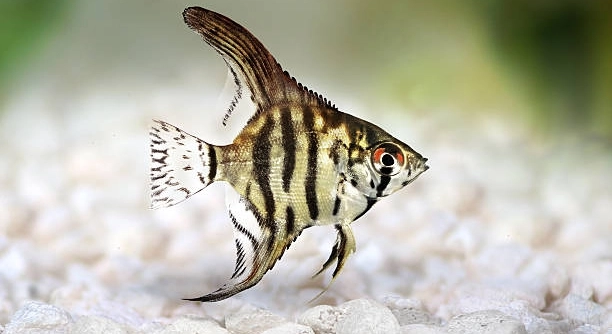
Angelfish are beautiful creatures that often captivate aquarium enthusiasts. However, if you notice your angelfish swimming sideways, it may raise some concerns. There are a number of possible reasons why this behavior happens.
Swimming sideways can result from various factors such as physical illness, water quality issues, or stress. In some cases, it could also be a sign of a swim bladder disorder, which affects the fish’s buoyancy and movement.
Understanding the underlying causes of this unusual behavior can help improve your angelfish’s health. Taking action quickly will ensure your fish remains happy and vibrant in its aquatic home.
Swim Bladder Disorder: A Common Cause of Sideways Swimming
Swim bladder disorder is one of the most frequent reasons why angelfish swim sideways. This condition affects the swim bladder, an organ that helps fish control their buoyancy and maintain balance in the water. When the swim bladder malfunctions, the fish may struggle to maintain an upright position, causing it to tilt or swim sideways. Swim bladder problems can occur due to infections, injury, or even poor water conditions. Overfeeding is also a known risk factor for this disorder, as it can cause the fish to become constipated, which in turn impacts the swim bladder.
If your angelfish is swimming sideways and displaying other signs like bloating, it’s possible that swim bladder disease is the issue. You should check your fish’s diet and avoid overfeeding. In some cases, you may need to treat the water with a special medication to relieve the problem.
Swim bladder disorder can be treated with some adjustments. Changing the water and ensuring your fish isn’t stressed are key steps. In severe cases, you may need to separate the affected fish from the others to prevent further stress and allow it time to recover.
Poor Water Quality and its Impact on Your Fish
Water quality is crucial to the health of your angelfish.
If the water parameters like pH, ammonia levels, or temperature are off, your angelfish may become stressed or sick, which can lead to unusual swimming patterns, including swimming sideways. Ammonia spikes, in particular, can damage your fish’s organs, leading to swimming problems.
Make sure to regularly test your aquarium water and perform water changes as needed. Consistent maintenance, such as keeping the tank clean and using a good filtration system, can prevent many issues. Stress caused by bad water quality can lead to long-term health problems, so it’s essential to keep the environment stable for your fish’s well-being.
Stress and Anxiety in Angelfish
Stress can easily cause your angelfish to act abnormally, including swimming sideways.
Several factors can lead to stress in angelfish, including overcrowding, aggressive tankmates, or sudden changes in the environment. If your fish feels threatened or uncomfortable, its swimming behavior may change, and it may swim sideways or struggle to maintain its balance. Stress can also weaken the immune system, making the fish more susceptible to other health issues.
If you notice your angelfish acting stressed, try to identify the source of the issue. Reducing the number of fish in the tank, introducing more hiding spaces, or adjusting the tank’s environment can help calm your angelfish. It’s essential to provide a stable, peaceful setting to reduce the stress and allow the fish to recover.
Injury or Physical Damage
Physical injury may also be a reason behind your angelfish’s sideways swimming.
Accidental bumps or rough handling can lead to bruising or damage to the fish’s fins or body, which can disrupt normal swimming. A torn fin or an injury to the swim bladder can cause the fish to struggle with maintaining balance, leading to odd swimming patterns. This issue may be more noticeable if the injury is severe enough to affect buoyancy or cause pain.
If you suspect an injury, it’s crucial to monitor your angelfish closely. In some cases, the injury might heal on its own, but you should keep the tank clean and stress-free to support recovery. If the injury looks serious or shows signs of infection, you may need to quarantine the fish and treat it with proper medication to prevent further damage.
Infections and Illness
Infections can also cause your angelfish to swim sideways.
Bacterial or parasitic infections may affect the nervous system, causing balance problems. Symptoms like swelling, discoloration, or loss of appetite could accompany this behavior. It’s important to treat infections promptly to prevent them from spreading and worsening.
If you suspect an infection, you may need to separate the affected fish from the rest and treat it with a medicated bath. Quarantining the fish ensures that other tank inhabitants remain healthy. Ensure your water conditions are optimal to help prevent infections from taking hold in the first place.
Overfeeding and Digestive Issues
Overfeeding can lead to digestive problems for your angelfish.
Excess food in the tank can lead to constipation, which puts pressure on the swim bladder. This can cause the angelfish to swim sideways or even have trouble staying upright. Regularly check your fish’s diet and avoid overfeeding to prevent this issue.
Water Temperature Fluctuations
Changes in water temperature can cause discomfort for your angelfish.
Sudden shifts in temperature can stress your fish and affect its swimming. Angelfish prefer stable temperatures, typically between 76°F and 82°F. Ensure that the aquarium heater is functioning properly to keep the temperature consistent, and avoid placing your tank in areas with frequent drafts or temperature changes.
FAQ
Why is my angelfish swimming sideways all of a sudden?
If your angelfish has suddenly started swimming sideways, it could be a sign of several issues. Most commonly, this behavior is caused by swim bladder disorder, which affects the fish’s buoyancy. Other factors like stress, poor water quality, infections, and physical injuries can also cause this abnormal swimming pattern. It’s important to observe the fish’s overall health and environment to narrow down the potential cause. Make sure the water parameters are correct, avoid overfeeding, and check for any signs of illness or injury.
What can I do to fix swim bladder disorder in my angelfish?
Treating swim bladder disorder typically involves making changes to your angelfish’s environment and diet. First, ensure that the water quality is optimal by performing regular water changes and testing for ammonia, nitrites, and pH levels. Next, adjust your fish’s diet by reducing overfeeding, which can cause constipation. You can also try fasting your angelfish for a day or two, followed by feeding it a pea, which may help relieve constipation. In more severe cases, medicated treatments might be required, especially if there is an underlying infection.
How can I tell if my angelfish is stressed?
Stress can manifest in many ways in angelfish. Some common signs include erratic swimming, hiding, loss of appetite, or excessive darting around the tank. If your angelfish is swimming sideways, it could be a sign of stress, especially if it’s combined with other behaviors like fin clamping or rapid gill movement. Stressors like overcrowding, aggressive tankmates, sudden changes in water conditions, or even improper lighting can cause your fish to feel anxious. Identifying and eliminating the stressor is key to helping your fish recover.
Is poor water quality affecting my angelfish?
Yes, poor water quality is one of the main reasons angelfish may swim sideways. Ammonia, nitrites, and an imbalanced pH level can harm your fish and affect its ability to swim properly. Regular water testing and proper filtration are essential to maintaining a healthy environment. If the water is too acidic or too alkaline, it can cause stress, making your fish more prone to swimming issues. Regular water changes and proper tank maintenance will help prevent these issues from arising.
Can injuries cause my angelfish to swim sideways?
Injuries are another possible reason your angelfish may swim sideways. If the fish has suffered from an injury, whether from a collision or an attack from other tankmates, it can affect the fish’s ability to maintain balance. A damaged fin, body, or swim bladder can lead to uneven swimming. If you suspect your angelfish is injured, it’s crucial to remove it from the main tank and place it in a separate, quieter environment. This will reduce stress and help it heal more quickly.
How does overfeeding affect my angelfish?
Overfeeding is a common issue that affects angelfish and can lead to digestive problems, such as constipation. When your angelfish eats more than it can digest, it puts pressure on the swim bladder, causing the fish to swim sideways or even struggle to stay afloat. To prevent this, feed your angelfish only what it can consume in a few minutes. Overfeeding can also lead to poor water quality because uneaten food breaks down and increases ammonia levels in the tank. A balanced, controlled diet will keep your fish healthy and reduce swimming issues.
Can an infection make my angelfish swim sideways?
Yes, infections can cause abnormal swimming behavior in angelfish. Bacterial, viral, or parasitic infections can damage the nervous system, causing the fish to lose its balance. Infected fish may also show signs such as bloating, discoloration, or lesions. If you notice your angelfish swimming sideways and exhibiting these symptoms, it’s important to quarantine the fish and treat it with appropriate medications. Keeping the water clean and maintaining proper tank conditions will help prevent infections from taking hold.
How can I prevent sideways swimming in my angelfish?
To prevent sideways swimming in your angelfish, focus on maintaining a stable and healthy environment. Regular water changes, proper filtration, and consistent water temperature are essential for your fish’s well-being. Avoid overfeeding and ensure that the fish’s diet is well-balanced. It’s also important to keep the tank free from stressors by not overcrowding and by avoiding aggressive tankmates. Providing hiding spots and a peaceful environment will help your angelfish thrive and prevent swimming issues.
What should I do if my angelfish keeps swimming sideways despite treatment?
If your angelfish continues swimming sideways despite your efforts, it may be a sign that the underlying cause has not been fully addressed. Double-check the water quality and ensure the tank conditions are optimal. If the issue persists, consult a veterinarian or aquatic specialist for a more thorough examination. There could be an underlying illness or physical injury that requires more advanced treatment. In severe cases, long-term health problems may lead to permanent swimming difficulties, but with proper care, your angelfish can still live a fulfilling life.
Final Thoughts
Angelfish are beautiful and delicate creatures, so it’s natural to feel concerned if you notice them swimming sideways. There are several potential reasons for this behavior, including issues like swim bladder disorder, stress, poor water quality, or even injuries. Understanding the cause of the problem is the first step in helping your fish recover. Whether it’s adjusting the water conditions or treating an illness, identifying the source will help you take the necessary steps to restore balance in your angelfish’s life.
Paying attention to your angelfish’s overall environment can make a big difference. Regular water testing, consistent tank maintenance, and controlling feeding habits will reduce the chances of swim bladder problems or other health issues. If the water quality is not maintained properly, your fish can become stressed or sick, leading to unusual swimming behavior. It’s also important to monitor the interactions between your angelfish and its tankmates. Aggressive fish or overcrowding can cause anxiety and stress, which can affect your fish’s swimming.
If your angelfish’s sideways swimming persists, it’s essential to consult with a specialist or veterinarian. In some cases, the issue may require more advanced treatment or an adjustment in its care routine. By keeping an eye on your angelfish’s health and providing a stable, stress-free environment, you can help it recover from most common problems. With patience and the right care, your angelfish can return to swimming happily and healthily.

Hello,
If you enjoy the content that we create, please consider saying a "Thank You!" by leaving a tip.
Every little bit helps us continue crafting quality advice that supports the health, happiness, and well-being of pets around the world, for pets of all shapes, sizes, and species.
We really appreciate the kindness and support that you show us!