
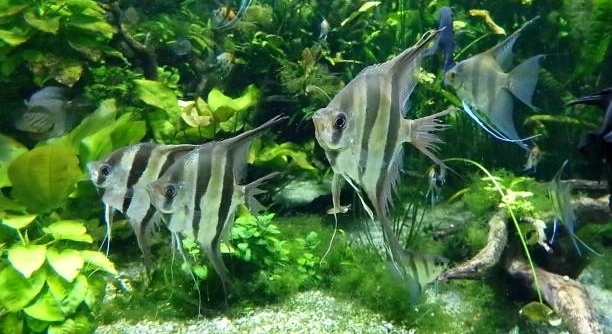
Angelfish are delicate creatures, and changes in their environment can easily stress them out. A water change, which is supposed to refresh their habitat, may sometimes trigger signs of distress.
After a water change, stressed angelfish often exhibit erratic swimming patterns, loss of appetite, rapid gill movement, hiding, or changes in their usual behavior. These signs can indicate that the fish are struggling to adjust to the new conditions.
Recognizing these signs early can make all the difference in ensuring your angelfish’s health. In this article, we’ll highlight what to look for and offer some tips on how to ease their stress.
Erratic Swimming and Unusual Movements
After a water change, your angelfish may swim erratically. They might dart around the tank, swim in circles, or hover near the surface. This behavior can signal stress as they try to adjust to new conditions. When the water temperature, pH, or other factors change too quickly, it can be overwhelming for your fish. Keep an eye out for signs that your angelfish aren’t moving as they usually do.
This erratic swimming is a physical reaction to environmental changes. Fish often become anxious when the water conditions shift, especially if it’s done too suddenly.
To reduce the stress, make sure you’re gradually adjusting water parameters, such as temperature and pH. Slowly adding water can help angelfish acclimate better. A consistent environment is key to keeping them calm and healthy. Try not to make drastic changes that can shock them, and always test the water before introducing it to the tank.
Loss of Appetite
Angelfish may stop eating after a water change due to stress. When they feel uncomfortable, they may lose their appetite and refuse food for a while. This can be especially concerning because it impacts their overall health.
Stress affects their digestion and makes them less likely to eat. A sudden change in water conditions can confuse the fish, causing them to retreat from food. As a result, your angelfish might need more time to adjust.
If this continues, it’s important to check the water quality closely. Make sure your angelfish have enough hiding spots to feel safe. Also, try feeding smaller portions of food until their appetite returns. Offering live or frozen foods might be more tempting during stressful times.
Rapid Gill Movement
If you notice your angelfish breathing more quickly after a water change, it could be a sign of stress. Rapid gill movement is an indication that they may be trying to adjust to the water’s oxygen levels or temperature. This is especially true if the water change involved altering the temperature too much.
Angelfish are sensitive to water changes, and when the parameters shift, they work harder to breathe. This can be distressing for them, and the added effort can cause further strain. Pay attention to how quickly they breathe and whether their gills look like they’re opening wider than usual.
To help reduce stress, try to avoid drastic temperature shifts and maintain stable water conditions. If you notice this behavior, consider adding an air stone to improve oxygen levels in the tank. Keeping the water clean and oxygen-rich can help angelfish calm down more quickly.
Hiding Behavior
Angelfish might hide after a water change. If they’re stressed, they will seek out quiet, sheltered areas of the tank. This behavior is their way of coping with discomfort or fear. You might see them retreat into plants or hide behind decorations, showing clear signs of stress.
Hiding is a protective mechanism. When the environment changes too suddenly, they become anxious and try to find safety. It’s important to create a tank layout that provides plenty of hiding spots so they can feel secure. This will also help reduce stress during water changes.
You can help your angelfish feel more comfortable by avoiding overly bright lights and keeping noise levels down. Make sure their hiding spots are accessible but not too crowded. A peaceful, stable environment encourages angelfish to feel safe and return to their normal swimming habits.
Change in Color
A stressed angelfish might experience a change in color after a water change. This can manifest as dull or darker shades, indicating that they are under distress. Pay attention to whether their usual vibrant colors fade, as this is often a sign of discomfort.
Color changes happen because angelfish use their skin pigmentation to communicate their emotional state. When they’re stressed, their colors can fade as part of their response to environmental changes. If you see this, it’s an indication that the fish is struggling to adapt to the water conditions.
To prevent this, ensure the water parameters remain stable. A consistent temperature and clean water can help your angelfish maintain their natural color. Keeping the water quality in check also prevents the fish from becoming overwhelmed by changes.
Excessive Swimming in One Area
If your angelfish are swimming back and forth in one area of the tank after a water change, it could be a sign of stress. They may be trying to find an area where they feel more comfortable.
This repetitive movement can be a way for them to express their unease with the new environment. Angelfish are not likely to swim in one spot without purpose unless they’re feeling unsettled. Ensure there are enough open swimming spaces so they can move freely and feel at ease.
Aggression Toward Tankmates
After a water change, some angelfish may become more aggressive toward their tankmates. This is a common response when they feel stressed or threatened by changes in their environment. Aggressive behavior can include chasing, nipping, or bullying other fish.
Stress causes hormonal imbalances that can make angelfish more territorial. If they are not accustomed to changes in water conditions, their aggression levels may rise. Keeping the water stable and providing plenty of hiding spots for all fish can reduce tension and prevent aggression. If the behavior persists, consider monitoring the tank’s water quality more closely.
FAQ
Why does my angelfish hide after a water change?
Hiding is a natural response when angelfish feel stressed or threatened. A water change can cause shifts in water temperature, pH, and other parameters that might unsettle them. They retreat to areas where they feel safer, such as behind plants or decorations. It’s a way for them to avoid the discomfort of the new environment. Giving them time to adjust to the changes will help them return to their normal behavior. Ensure they have enough hiding spots in the tank, so they can feel secure while they adapt.
How do I know if my angelfish is stressed from a water change?
Signs of stress in angelfish include erratic swimming, hiding, loss of appetite, rapid gill movement, and color changes. If your angelfish starts acting differently after a water change, these are clear signs that they may be stressed. Keeping an eye on their behavior, especially in the first few hours after the water change, will give you clues. The faster they adjust, the less stress they are under. Also, check the water quality to ensure it is stable and within the ideal range for your angelfish.
How can I prevent stress in my angelfish during water changes?
The best way to reduce stress is by ensuring gradual changes. Avoid sudden shifts in temperature, pH, or other water parameters. When performing a water change, try to match the new water’s temperature and pH to that of the tank. Slowly introduce the new water to avoid shocking your fish. Regular water testing before and after the change can help prevent these issues. Also, try not to perform large water changes all at once. Smaller, more frequent changes are less likely to stress your angelfish.
Is it okay to perform a water change if my angelfish is acting stressed?
If your angelfish is already showing signs of stress, it’s better to wait before doing another water change. If the water is still clean and the parameters are stable, give your angelfish some time to recover. Doing a water change while they are already stressed can worsen the situation. Wait until the fish appear more settled and relaxed before attempting another water change. However, if the water quality is poor, a smaller water change with careful temperature matching may help improve their comfort.
How often should I change the water in my angelfish tank?
Water changes depend on the size of your tank and the number of fish, but a general rule of thumb is to change about 25-30% of the water every 1-2 weeks. In tanks with fewer fish or those that are lightly stocked, you may be able to do less frequent changes. However, if the tank is overcrowded, more frequent changes may be necessary to maintain water quality. Always monitor the water conditions and adjust the frequency based on your fish’s needs.
Can temperature fluctuations during water changes harm my angelfish?
Yes, sudden temperature fluctuations can cause stress, shock, or even harm to your angelfish. Angelfish are particularly sensitive to temperature changes. If the new water is too hot or too cold, it can cause significant stress and disrupt their behavior. To avoid this, use a thermometer to ensure the water temperature is closely matched to that of the tank. Gradually add the new water to avoid a drastic change, and make sure the tank heater is working properly to keep the environment stable.
What should I do if my angelfish refuses to eat after a water change?
If your angelfish refuses to eat after a water change, it is likely stressed. This is a common reaction, especially if the water change has caused an environmental shift. Allow your angelfish some time to adjust. They may not eat for a day or two, but as long as they show no signs of illness, they should return to their normal eating habits. You can try offering live or frozen food, which might be more tempting during stressful times. Avoid overfeeding, as this can deteriorate water quality.
Can I add water conditioner to the tank after a water change?
Yes, using a water conditioner after a water change is often a good idea, especially if you are unsure of the water’s chemical balance. Water conditioners help neutralize harmful substances like chlorine or chloramine in tap water, which can be harmful to your angelfish. Always follow the instructions on the conditioner to avoid overdosing. Adding it after a water change can ensure that the water remains safe for your fish, helping to prevent further stress.
Should I worry if my angelfish is still stressed after a few days?
If your angelfish is still showing signs of stress several days after a water change, there may be a deeper issue. It’s important to check the water parameters again and ensure they are within the ideal range for angelfish. The tank could be too crowded, or there might be an issue with filtration or water quality that wasn’t addressed. Consider giving your fish more time to adjust, but if stress persists, it might be a good idea to consult a veterinarian or an aquarium expert to troubleshoot the problem.
What are the best practices for performing water changes in an angelfish tank?
To ensure minimal stress, start by preparing the new water ahead of time. Match the temperature and pH as closely as possible to the tank water. Use a siphon to remove water from the tank slowly, avoiding disturbing the fish too much. Replace the water gradually to prevent sudden changes in water parameters. Afterward, test the water for ammonia, nitrate, and pH levels to confirm the water is safe. Regular water changes should be part of your tank maintenance routine to keep your angelfish happy and healthy.
Final Thoughts
Keeping angelfish healthy and stress-free after a water change is essential for their well-being. These fish are sensitive to their environment, and even small changes in water quality can cause them to feel stressed. Signs of stress like erratic swimming, hiding, loss of appetite, or rapid gill movement are common after a water change. It’s important to recognize these signs early so you can address any issues before they become more serious. If you take the time to carefully monitor the water quality and make gradual changes, your angelfish should have a better chance of adjusting without too much stress.
The key to reducing stress is consistency. Try to maintain stable water parameters, such as temperature, pH, and hardness, especially when performing water changes. Drastic shifts in these parameters can overwhelm your fish and lead to health problems. Gradually introducing new water at a similar temperature and pH can make the transition smoother. Regular water testing can help ensure that your tank’s water is always within the right range, making it easier for your fish to thrive. Keeping their environment stable will help prevent them from becoming stressed in the first place, reducing the chances of them acting out.
Ultimately, caring for your angelfish requires a balance of patience and attention to detail. With the right water quality and environment, your angelfish will feel more comfortable and secure. Stress from a water change may seem worrying at first, but it is often temporary and can be managed with proper care. By understanding the signs of stress and adjusting your tank maintenance routine, you can help your angelfish live a longer, healthier life. Keeping their tank clean, providing enough hiding spots, and making gradual changes will go a long way in reducing stress and supporting their overall health.

Hello,
If you enjoy the content that we create, please consider saying a "Thank You!" by leaving a tip.
Every little bit helps us continue crafting quality advice that supports the health, happiness, and well-being of pets around the world, for pets of all shapes, sizes, and species.
We really appreciate the kindness and support that you show us!