
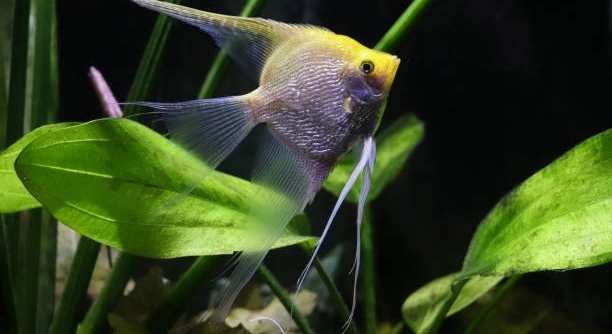
Angelfish are beautiful and peaceful creatures, often found in home aquariums. However, if you’ve noticed your angelfish spitting out its food, it can be frustrating. Understanding the reasons behind this behavior is essential for keeping your fish healthy.
One of the main reasons your angelfish may spit out food is that it has trouble swallowing due to illness or stress. Additionally, environmental factors like water quality or temperature might affect their feeding habits.
There are several factors that could cause your angelfish to spit out its food. We’ll go over these reasons to help you pinpoint the cause and improve your fish’s eating habits.
1. Health Issues Affecting Your Angelfish’s Eating Habits
Angelfish are delicate creatures, and any health issue can cause them to spit out food. Illnesses such as internal parasites, infections, or mouth injuries may affect their ability to chew and swallow properly. Stress from poor water quality or sudden temperature changes can also make your angelfish reluctant to eat. When fish are not feeling well, they often lose their appetite, and it can take time for them to recover.
Sometimes, a simple water change or adjusting the tank temperature can help, but in more severe cases, medication might be needed. If you notice other signs like faded color or lethargy, it’s important to address the health problem as soon as possible.
For long-term health, regular water testing and careful feeding routines are essential to prevent these issues. Keeping an eye on your angelfish’s overall condition can give you early warning signs and help prevent further stress.
2. Poor Water Quality
Water quality plays a huge role in an angelfish’s feeding behavior.
Poor water quality causes stress and discomfort, which can lead your fish to stop eating. High ammonia, nitrate, or nitrite levels in the tank can irritate fish and interfere with their digestion. Regular water changes, maintaining a filter, and keeping the water temperature stable are key to keeping your fish healthy and active.
3. Overfeeding or Underfeeding
Overfeeding can lead to an angelfish spitting out its food, especially if it feels too full or the food becomes too much to handle. If the tank is overcrowded with food, it could create an unhealthy environment, causing the fish to refuse meals. On the other hand, underfeeding may cause your fish to be weak or lack the energy to eat.
If you overfeed your angelfish, they may only nibble at their food and then spit it out. It’s important to feed them smaller amounts more frequently rather than a large amount at once. Monitor how much they consume in a few minutes, and adjust accordingly.
Underfeeding also leads to malnutrition, making your fish weak and less likely to want to eat. Ensure that the amount of food is appropriate for their size and age. A consistent feeding schedule with proper portion sizes is key to keeping them healthy and engaged during mealtime.
4. Incorrect Food Type
Angelfish may refuse to eat certain types of food if it’s not to their liking. Some fish are picky eaters, and they may spit out food they find unappetizing or difficult to consume. If you’re feeding pellets, flakes, or frozen foods, the texture and size might not be ideal for your angelfish.
Try switching up the food you offer. Angelfish often prefer live food or frozen foods like brine shrimp or bloodworms. Some fish also prefer sinking pellets instead of floating ones, as they mimic their natural feeding habits. Variety is essential, and experimenting with different foods could help stimulate their appetite.
5. Stress or Anxiety
Stress can make your angelfish spit out food, especially when there are changes in their environment. This includes moving to a new tank, adding new tankmates, or changes in lighting. Fish can be sensitive to their surroundings, and stress disrupts their normal feeding habits.
If your fish feels threatened or unsafe, it may refuse food or spit it out. Make sure your tank provides plenty of hiding spots and a peaceful environment. Monitor their behavior closely to identify stress triggers.
The more stable their environment, the less likely they’ll feel stressed, improving their feeding habits.
6. Temperature Fluctuations
Angelfish are sensitive to temperature changes. If the water is too cold or too hot, they might not want to eat. Maintaining a stable temperature is important for your fish’s comfort and well-being.
Ensure your aquarium heater is working properly and that the temperature remains within a comfortable range for angelfish, typically between 76-82°F (24-28°C). Large fluctuations can cause your fish to become sluggish and stop feeding. Regularly check the water temperature to avoid unnecessary stress and loss of appetite.
7. Age or Maturity
As angelfish grow older, they may not eat as much as they did when they were younger. It’s normal for fish to become less active and eat less as they mature.
Keep an eye on your angelfish’s overall health. If they seem to be eating less but still appear healthy, it could simply be a sign of aging.
FAQ
Why is my angelfish spitting out food even though it’s not sick?
Even when your angelfish seems healthy, spitting out food could be a result of stress or poor water conditions. If the water quality isn’t ideal, your angelfish might be reluctant to eat. Make sure you’re testing for ammonia, nitrites, and nitrates regularly. Poor water quality can cause stress, which affects feeding behavior.
It’s also possible that your angelfish is not comfortable with the food being offered. Try switching to live or frozen foods to see if they become more interested. Sometimes, adjusting the feeding schedule or offering smaller amounts can also help.
Is it normal for angelfish to refuse food for a few days?
It is not uncommon for angelfish to refuse food for a day or two, especially if they are adjusting to a new tank or have been stressed. However, if your angelfish refuses food for longer periods, this could indicate an underlying issue. Make sure the water conditions are stable, and that the tank environment is stress-free.
If the refusal continues, check for signs of illness like lethargy or faded color. If necessary, isolate the angelfish in a quarantine tank to monitor it closely and address any potential health issues.
How can I tell if my angelfish is overfed or underfed?
An overfed angelfish might refuse food because it feels full, or the food may not be getting consumed and causes tank contamination. If you notice uneaten food floating around, this is a sign you might be overfeeding. On the other hand, an underfed angelfish might look weak, lose color, or be more lethargic.
To determine if your angelfish is overfed, observe how much food it consumes in a few minutes. If there’s leftover food, you’re likely feeding too much. For underfeeding, make sure you’re providing an appropriate amount of food for your angelfish’s size and activity level.
What are some signs my angelfish is stressed?
Signs of stress in angelfish include hiding, faded colors, rapid gill movement, or spitting out food. When fish are stressed, they may stop eating and exhibit unusual behavior like darting around the tank or hovering near the surface. Stress can be caused by poor water conditions, tank mates that are too aggressive, or a sudden change in their environment.
To reduce stress, ensure that your tank has plenty of hiding spots, the water quality is balanced, and the temperature is stable. Keep other fish peaceful and avoid making sudden changes to the tank setup.
Can water temperature affect my angelfish’s eating habits?
Yes, temperature fluctuations can definitely affect your angelfish’s eating habits. Angelfish prefer warm water, typically between 76-82°F (24-28°C). If the temperature is too cold, it can slow down their metabolism and make them less likely to eat. On the other hand, very high temperatures can cause stress, which also leads to a loss of appetite.
Using a reliable aquarium heater and regularly monitoring the water temperature is crucial for keeping your angelfish healthy and willing to eat. Avoid drastic changes in water temperature to prevent further stress.
What type of food is best for angelfish?
Angelfish are omnivores and thrive on a varied diet. The best foods for angelfish include high-quality flakes, pellets, live food like brine shrimp, and frozen options such as bloodworms. It’s important to provide a mix of foods to ensure they get the necessary nutrients. Some angelfish prefer sinking food, so consider offering pellets that sink to the bottom.
Feeding a variety of foods, including vegetables like zucchini or spinach, can also be beneficial. Be sure to remove uneaten food after a few hours to avoid water contamination.
Can angelfish eat too much live food?
While live food can be a great treat for your angelfish, it’s important not to overdo it. Live food is often high in protein, which can lead to digestive problems if fed too frequently. Too much live food may also cause your angelfish to become overweight.
Feed live food in moderation, rotating it with other types of food like flakes or pellets. Keep an eye on your fish’s behavior and appearance to make sure they’re not becoming overfed. Always ensure that the live food you provide is appropriately sized for your angelfish.
How can I get my angelfish to eat if it’s not interested?
If your angelfish isn’t eating, try changing up the type of food you offer. Sometimes angelfish can be picky, and offering live or frozen food might entice them to start eating. You can also try offering smaller amounts of food at a time and ensure it’s the right texture and size for them.
If the issue persists, check the water quality and tank conditions. If necessary, isolate the angelfish in a quarantine tank to reduce stress and give them time to eat without distractions from other fish.
Is it okay to feed my angelfish once a day?
Feeding your angelfish once a day is generally fine, but it’s important to monitor how much they eat. Angelfish are small, and a single meal might not be enough to meet their energy needs, especially if the food is too small to sustain them. You can try feeding them twice a day, offering smaller amounts at each meal.
If you feed your angelfish once a day, ensure that the amount of food provided is appropriate for their size and age. If the angelfish shows signs of hunger or overeating, adjust the feeding schedule accordingly.
Can angelfish eat vegetables?
Yes, angelfish can eat vegetables as part of a balanced diet. Vegetables like spinach, zucchini, and peas are great options for your angelfish. These foods provide essential vitamins and minerals that complement their protein intake.
Be sure to blanch the vegetables before offering them to your fish, as this makes them easier to digest. Avoid giving large, raw pieces of vegetables, as they might be difficult for your angelfish to consume. Offering a mix of plant and animal-based food will keep your angelfish healthy.
Final Thoughts
Angelfish are beautiful and peaceful creatures, but understanding their feeding behavior can be tricky at times. If your angelfish keeps spitting out food, it’s essential to consider various factors that may be causing this issue. Health problems, poor water quality, stress, and incorrect food choices are just a few of the reasons why this behavior might occur. Regularly checking your angelfish’s environment, water quality, and feeding habits can make a significant difference in addressing the problem.
It’s important to remember that every angelfish is different. Some may be more sensitive to changes in their surroundings, while others may have specific food preferences. The key to resolving feeding issues is observation. Pay attention to how your angelfish reacts to different foods and environmental conditions. Small changes, such as improving water quality or offering different types of food, can often encourage your fish to eat properly. Ensuring your fish has a stress-free environment with the right temperature and suitable tankmates is equally important.
Lastly, patience is essential. Angelfish might take some time to adjust to new conditions or food. If your fish stops eating for a short time but shows no other signs of illness, it may simply need time to settle. However, if the issue persists or your angelfish shows other symptoms of illness, it’s important to address the issue promptly to prevent any further health complications.

Hello,
If you enjoy the content that we create, please consider saying a "Thank You!" by leaving a tip.
Every little bit helps us continue crafting quality advice that supports the health, happiness, and well-being of pets around the world, for pets of all shapes, sizes, and species.
We really appreciate the kindness and support that you show us!