
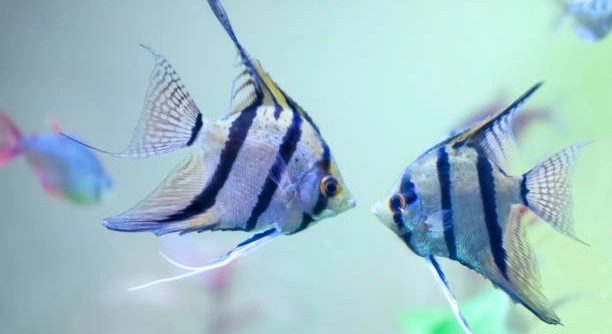
Angelfish are fascinating creatures, and their behavior can sometimes leave you puzzled. One common behavior you may observe is when they swim in figure-eight patterns, which can raise a few questions.
Angelfish swimming in figure-eight patterns is often related to territorial behavior, stress, or attempting to communicate. In some cases, it can also indicate a response to environmental changes or a desire for more space.
There are several reasons why this behavior happens, and understanding them can help you create a better environment for your angelfish. Let’s explore the different possibilities that could explain this unique swimming pattern.
Territorial Behavior
Angelfish are naturally territorial creatures. When they feel the need to claim a space as their own, they may exhibit specific swimming patterns, like the figure-eight. This is a way for them to establish boundaries and warn other fish to stay away. The more space your angelfish have, the less likely they are to engage in territorial displays. In a cramped tank, however, this behavior can become more frequent.
If your angelfish is alone, it may still show territorial behavior when it feels its space is threatened by objects or even its own reflection. This can sometimes be seen as the figure-eight pattern. It’s a sign that your fish is trying to defend its territory from what it perceives as an intruder.
A properly decorated tank with enough space and hiding spots will help minimize these territorial actions. In a larger tank, angelfish are more likely to be at ease and less inclined to constantly patrol and defend their environment. Keeping a good number of hiding places and live plants can also help them feel secure.
Stress
Stress can be a significant factor in figure-eight swimming. Angelfish can get stressed due to sudden changes in their environment. Things like fluctuating water temperatures, poor water quality, or even the introduction of new tankmates can all trigger stress.
When stressed, angelfish may swim erratically, with figure-eight movements being one common sign. This is often their way of trying to adapt or communicate their discomfort. Monitoring your tank’s conditions, such as the water temperature, pH levels, and cleanliness, is essential. Maintaining a stable and peaceful environment is key to minimizing stress and reducing abnormal behavior like this.
Stress-related swimming patterns are typically temporary. However, if the conditions causing the stress aren’t addressed, the behavior may persist, potentially leading to health issues. Therefore, if you notice frequent figure-eight swimming, check your tank’s environment to ensure it’s optimal for your fish’s well-being.
Communication
Angelfish are also known to use their movements to communicate with one another. In the wild, these fish swim in groups, and figure-eight swimming may be a way to interact or signal other fish. When housed in tanks, an angelfish may use the figure-eight pattern as a form of non-verbal communication, especially if there are multiple fish in the tank.
This behavior may indicate that the fish is trying to attract the attention of a mate or show dominance over other fish. It is often seen during the breeding season when angelfish engage in more active and noticeable movements. In some cases, the figure-eight pattern could be an attempt to showcase their health or strength.
If you have more than one angelfish in your tank, it’s important to watch for any signs of aggression or competition. You can reduce stress by making sure there’s enough space and ensuring the tank setup includes various territories for each fish to reduce conflicts.
Lack of Space
In a small tank, angelfish may feel cramped and unable to swim freely. This lack of space can lead to unusual behaviors, including the figure-eight pattern. When they don’t have room to explore, they often display anxious or stressed movements.
A tank that’s too small can make your angelfish feel trapped, and this can result in repetitive swimming patterns. Larger tanks, ideally 30 gallons or more, will provide ample space for your angelfish to move around. This not only reduces stress but also allows the fish to engage in more natural swimming patterns.
Adding extra decorations, like plants or rocks, will also create territories within the tank, giving your fish a sense of ownership and control over their environment. With a larger tank and well-placed structures, the chance of observing stress-related behaviors, such as the figure-eight swim, will significantly decrease.
Water Quality
Poor water quality can be another reason for abnormal swimming behaviors. Angelfish are sensitive to their water environment, and changes in pH, ammonia, or nitrite levels can cause them to act out. If you notice your angelfish swimming in figure-eight patterns, it’s worth testing the water to make sure it’s safe.
Water quality affects everything from fish health to their behavior. Angelfish thrive in clean water with stable parameters. A tank with high levels of toxins or imbalanced pH can cause stress, which often leads to erratic swimming patterns like the figure-eight. It’s crucial to regularly check the water’s chemistry and perform partial water changes.
Using a good filtration system and water conditioner will help maintain optimal water conditions. Keep the tank clean and monitor the water parameters to ensure your angelfish remain healthy and happy. This can drastically reduce the likelihood of unusual swimming behavior and improve their overall well-being.
Overcrowding
Overcrowding is another common cause of unusual swimming patterns in angelfish. When there are too many fish in one tank, the angelfish may feel pressured and overwhelmed. This often leads to them exhibiting behaviors like swimming in figure-eight patterns.
If you notice overcrowding, consider rehoming some fish or upgrading to a larger tank. A tank with too many inhabitants forces angelfish to compete for space and resources. Reducing the number of fish or giving them more room to swim will likely reduce these stress-induced behaviors.
Tankmates
Not all tankmates are suitable for angelfish. Aggressive or overly active fish can make angelfish feel threatened, prompting them to act defensively. In some cases, this can result in the figure-eight swimming pattern.
Choosing peaceful and compatible tankmates is crucial for maintaining a harmonious environment. Fish like tetras or other non-territorial species are ideal companions for angelfish. Avoid adding overly aggressive species that could cause your angelfish to feel cornered or constantly on edge. With the right mix of tankmates, angelfish will be more at ease and less likely to swim in patterns linked to stress.
Breeding Behavior
When angelfish are preparing to breed, their behavior changes. They may start to swim in figure-eight patterns as part of courtship or territory defense. This is especially noticeable during the breeding season.
Angelfish typically engage in these movements to attract a mate or claim a nesting area. They might use the figure-eight pattern as a way to show off their health and strength to potential partners. If you have both male and female angelfish, you may notice more frequent figure-eight swimming during breeding time.
FAQ
Why is my angelfish swimming in circles?
Angelfish swimming in circles is often a sign of stress or a response to their environment. Factors like poor water quality, overcrowding, or a lack of space can contribute to this behavior. Angelfish are territorial, so if they feel their space is limited or threatened, they may swim in repetitive patterns like circles or figure-eights. It’s important to check the water conditions and ensure the tank size is appropriate for the number of fish. Providing hiding spots or rearranging the tank decorations can also help reduce stress and allow your angelfish to feel more secure.
Is it normal for angelfish to swim in figure-eight patterns?
Yes, swimming in figure-eight patterns can be normal for angelfish, especially if they are displaying territorial behavior or are stressed. This type of movement is often seen when they feel the need to defend their territory or react to changes in their environment. However, if the behavior is frequent, it’s a good idea to assess the tank conditions. A larger tank, better water quality, and reducing the number of tankmates can help reduce this behavior.
Can figure-eight swimming be a sign of illness?
While figure-eight swimming is usually related to stress or territorial behavior, it can sometimes indicate health issues. If your angelfish is swimming abnormally and showing other signs of illness, like lethargy, discoloration, or loss of appetite, it could be suffering from an infection or disease. It’s important to monitor the fish closely and consult an expert or veterinarian if you notice other concerning symptoms. Otherwise, the behavior is more likely related to environmental factors or breeding behavior.
How can I stop my angelfish from swimming in figure-eight patterns?
To stop your angelfish from swimming in figure-eight patterns, first, address the potential causes. Ensure that the tank is large enough for the number of fish, as overcrowding can contribute to stress. Check the water quality regularly to ensure it meets the required levels for angelfish. If the fish is exhibiting territorial behavior, adding plants, rocks, or other decorations can provide hiding spots and reduce conflicts. In some cases, reducing the number of aggressive tankmates can also help your angelfish feel more at ease.
Do angelfish swim in figure-eight patterns when they are mating?
Yes, figure-eight swimming is often seen during mating rituals. Angelfish, especially during the breeding season, may swim in figure-eight patterns as part of their courtship. This behavior is a way of showing off to potential mates and defending a selected nesting area. If you have a male and female angelfish, it’s possible that the figure-eight swimming is a signal of mating behavior. You may notice other signs, like paired swimming or the fish guarding a particular spot in the tank.
Can water temperature affect my angelfish’s swimming behavior?
Water temperature can have a significant impact on your angelfish’s behavior. Angelfish are sensitive to temperature fluctuations, and if the water is too cold or too warm, it can cause stress. This stress may lead to abnormal swimming patterns, such as figure-eight movements. Ideally, the water temperature should be between 75°F and 82°F (24°C to 28°C). Ensure that the temperature remains stable and within this range to keep your angelfish comfortable and reduce stress-related behaviors.
What are the signs of a happy angelfish?
A happy angelfish will swim gracefully around the tank, showing a steady, flowing motion rather than erratic or aggressive movements. Healthy angelfish will interact with other fish in a peaceful way and may even engage in gentle courtship behaviors if they are breeding. They will also have bright, vibrant colors and will be active without showing signs of stress, like swimming in tight circles or figure-eight patterns. Consistently clear water, a well-maintained tank, and compatible tankmates all contribute to an angelfish’s happiness.
Can I keep multiple angelfish in the same tank?
Yes, you can keep multiple angelfish in the same tank, but you should ensure there is enough space for them. Angelfish are territorial, and overcrowding can lead to stress, aggression, or abnormal swimming patterns. It’s best to have a tank that is at least 30 gallons for a small group of angelfish. Providing plenty of hiding spots, plants, and rocks will allow the fish to establish their own territories and reduce conflicts. Always monitor their behavior to ensure they’re getting along.
How do I know if my angelfish is stressed?
Signs of stress in angelfish include erratic swimming patterns, like figure-eight movements, hiding excessively, loss of appetite, or color fading. Angelfish may also become more aggressive toward other fish or display unusual behavior like rubbing against objects. If your fish is stressed, check the water quality, temperature, and tank size. Reducing overcrowding and ensuring a peaceful environment can help alleviate stress and restore normal behavior.
Can figure-eight swimming cause harm to my angelfish?
Generally, figure-eight swimming itself doesn’t cause harm to your angelfish, but if the behavior is due to stress or illness, prolonged stress can weaken the fish’s immune system and make it more vulnerable to diseases. It’s important to identify the underlying cause of the figure-eight pattern and make necessary changes to the tank conditions. By addressing stress, improving water quality, and ensuring enough space, you can help prevent any long-term health issues for your angelfish.
Final Thoughts
Angelfish swimming in figure-eight patterns is a common behavior that can be caused by several factors. Most of the time, it’s linked to stress, territorial behavior, or an attempt to communicate with other fish. Understanding the different reasons behind this behavior will help you create a more comfortable and healthy environment for your fish. When these swimming patterns occur, it’s essential to assess the tank’s conditions to ensure there are no issues with overcrowding, poor water quality, or incompatible tankmates.
One of the most straightforward ways to address figure-eight swimming is by ensuring your tank is large enough for your angelfish. They need space to swim freely, and a cramped environment can lead to stress and aggressive behaviors. Providing hiding spots, plants, and other decorations will help create separate territories and reduce competition among fish. A larger tank with proper filtration and stable water conditions will make your angelfish feel more secure, leading to fewer stress-related behaviors like figure-eight swimming. Monitoring water quality and maintaining a consistent temperature is also crucial for keeping your fish comfortable.
In some cases, figure-eight swimming could be a sign of breeding behavior, especially if you have both male and female angelfish in the tank. During the breeding season, angelfish may use this pattern to court a mate or defend their chosen territory. As long as the fish are healthy and the tank environment is suitable, this behavior is generally harmless and can be considered part of their natural instincts. If you notice that the behavior continues or worsens despite addressing environmental factors, it might be worth consulting a professional to rule out any potential health issues. Overall, creating a peaceful, well-maintained tank will help your angelfish feel at ease and reduce the occurrence of unusual swimming patterns.

Hello,
If you enjoy the content that we create, please consider saying a "Thank You!" by leaving a tip.
Every little bit helps us continue crafting quality advice that supports the health, happiness, and well-being of pets around the world, for pets of all shapes, sizes, and species.
We really appreciate the kindness and support that you show us!