
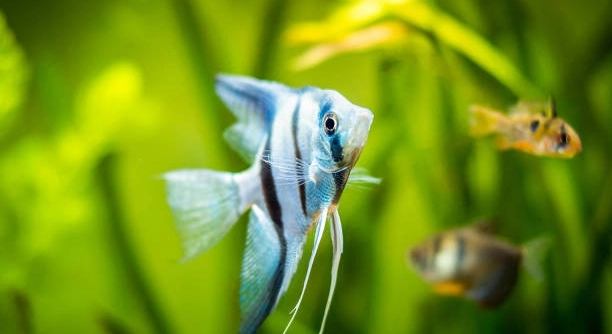
Angelfish are known for their graceful movements and vibrant colors. However, they also show intriguing behavior when responding to certain sounds. Understanding why your angelfish seems to recognize these sounds can offer a deeper insight into their communication.
There are several theories about why angelfish seem to recognize specific sounds. One popular theory is that fish have excellent hearing capabilities, allowing them to detect vibrations and frequencies. This sensitivity helps them identify food, predators, or even their owners.
Exploring these theories will shed light on how sound plays a role in your angelfish’s environment.
Theory 1: Sound Sensitivity in Fish
Angelfish, like many other fish, have a finely tuned sense of hearing. They can detect sounds and vibrations through their lateral line system, which allows them to perceive changes in their surroundings. This sensitivity makes it possible for them to respond to certain frequencies, whether it be a feeding signal or a disturbance in the water. Research suggests that fish are capable of hearing sounds at much lower frequencies than humans can perceive. These sounds can be vibrations in the water, such as bubbles or the sound of food being dropped into the tank. Over time, your angelfish may come to associate these specific sounds with positive or negative experiences.
Though they don’t have external ears like mammals, fish are very adept at sensing vibrations, especially those that pass through the water. This heightened awareness can cause them to recognize repeated sounds, making them more responsive.
Fish are highly attuned to their environment and can form associations between sounds and specific events, such as feeding times. These associations are crucial for their survival, as they help them prepare for important moments like food arrival or potential threats.
Theory 2: Memory and Conditioning
Sound is often linked to memory in animals, and fish are no exception. When a certain noise or sound is repeatedly linked to a specific event, fish may learn to associate that sound with the event. This type of learning, called classical conditioning, explains why your angelfish might recognize sounds that signal feeding time. Over time, your angelfish’s brain can store this information and react accordingly, even anticipating the event before it happens.
Research shows that fish have the ability to recognize patterns and respond to familiar cues. The idea is that the sound of feeding time becomes a trigger for the fish, prompting it to swim to the surface in anticipation. This behavior is not unlike how pets learn to associate sounds with certain actions, such as a dog hearing a leash and getting excited for a walk.
By noticing patterns in your angelfish’s behavior, you can understand how sounds affect their actions. This behavior is a key example of how sound recognition can shape their daily routines.
Theory 3: Vibrations and Water Movements
Angelfish rely on vibrations in the water to detect changes in their surroundings. The slightest movement, such as a hand approaching the tank or the water shifting when food is dropped in, is easily picked up by their lateral line. This ability allows them to associate specific vibrations with events like feeding or the presence of a threat. The fish will often react quickly to these vibrations, swimming towards the surface in anticipation of food or retreating if they sense danger.
It’s fascinating how even subtle vibrations can trigger a reaction. This sensitivity is especially important in an aquarium environment, where changes in water flow and movement often signal feeding times. The angelfish’s ability to detect these movements helps them stay alert, whether they’re preparing for food or responding to potential threats.
Their lateral line system is a sophisticated tool that allows them to sense vibrations from far distances. By perceiving these movements, angelfish can navigate their environment effectively. The connection between these vibrations and the actions of their owners is something they can learn and recognize over time.
Theory 4: The Role of Familiar Sounds
When it comes to angelfish, sounds aren’t just random noises to them—they can actually be associated with familiar events. For example, the sound of water splashing or the click of a tank lid can signal something important. Over time, these sounds become linked with feeding times or other routine activities. Just like how pets respond to certain cues, angelfish also develop an understanding of sounds tied to specific actions, such as the sound of someone approaching the tank.
As the fish grow accustomed to these sounds, their behavior adjusts accordingly. They might swim to the surface as soon as they hear the tank lid opening, expecting food or attention. This is a learned behavior that they form through repeated exposure to the same sounds in a consistent pattern.
Repeated exposure to these sounds allows your angelfish to recognize them as signals for upcoming events. It’s not just about the food, either. Familiar sounds can also signal to the fish when their environment is about to change. Understanding this process can help you interact with your angelfish in a way that makes them more comfortable and predictable in their responses.
Theory 5: Association with Feeding Times
Angelfish are quick learners when it comes to associating certain sounds with feeding times. If you consistently feed them at a specific time each day, they will begin to recognize the sound of the food being dropped or the water changing. Over time, they will react to these familiar sounds, knowing food is on the way.
This recognition can become quite reliable. They may start to swim to the surface when they hear certain sounds, like the tap of a feeding spoon or the rustling of food packaging. They learn that these sounds directly relate to their feeding schedule.
Theory 6: Influence of Tank Environment
The environment inside your aquarium plays a significant role in how your angelfish respond to sounds. Tank water movement, aeration, and even the sounds from nearby objects can all influence their behavior. Sounds and vibrations that pass through the glass or water are perceived differently than those in the open air.
The tank itself can amplify these sounds, making them more noticeable to the fish. For instance, the vibrations from water pumps or the sound of an aquarium filter can become familiar and trigger certain actions in your angelfish. As they adapt to the tank’s unique acoustic environment, their responses to different sounds become more predictable.
Theory 7: Genetic Factors and Instinct
It’s possible that some of the behavior your angelfish exhibits in response to sounds is instinctual. Certain responses to sound, like avoiding danger or swimming toward food, may be hardwired into their genetic makeup. This means that their reactions could be based on evolutionary survival instincts passed down through generations.
Some fish are known to have innate behaviors that are not learned, but instead, are triggered by certain environmental cues. In the case of angelfish, this instinctual behavior could make them react to sounds that are associated with survival, food, or danger, even without prior conditioning.
FAQ
Why do angelfish respond to specific sounds?
Angelfish are able to respond to specific sounds because they are highly sensitive to vibrations in the water. Their lateral line system allows them to detect changes in their environment, such as the sound of food being dropped into the tank or the movement of a hand. Over time, they learn to associate certain sounds with specific events, such as feeding times. These sounds become familiar cues that trigger specific behaviors, such as swimming to the surface when they hear the food being prepared.
Can angelfish hear sounds outside the water?
While angelfish can detect vibrations in the water, their ability to hear sounds outside the water is limited. Fish do not have external ears like mammals, so their hearing is adapted to pick up sounds through the water rather than the air. However, they can still sense vibrations that travel through the tank, which might include sounds coming from outside. These vibrations may be less clear or less intense compared to those within the tank, but angelfish can still pick up on them.
Do angelfish have good memory when it comes to sounds?
Yes, angelfish have a good memory when it comes to sounds, especially if those sounds are consistently associated with particular events. Through a process called classical conditioning, angelfish can learn to associate certain sounds with feeding or other activities. Over time, they will remember these sounds and react accordingly, whether it’s swimming to the surface for food or hiding when they sense a predator.
How can I train my angelfish to recognize specific sounds?
Training angelfish to recognize specific sounds involves consistency and repetition. You can start by associating a particular sound with feeding time. For instance, use the sound of tapping the tank or opening a food packet every time you feed them. After some time, your angelfish will begin to recognize the sound and swim to the surface when they hear it. The key is to be consistent so that the fish can connect the sound with the reward (food).
Do angelfish react to the sounds of other fish in the tank?
Yes, angelfish can react to the sounds and vibrations caused by other fish in the tank. Fish in the same aquarium communicate through body movements and the vibrations they create in the water. If another fish is swimming near the surface or making rapid movements, angelfish may respond by adjusting their own behavior. For instance, they may swim toward the disturbance, thinking it could be a feeding opportunity or a sign of activity.
How does water quality affect angelfish sensitivity to sound?
Water quality plays a significant role in how well angelfish can perceive sounds. Poor water quality, such as high levels of toxins or low oxygen, can negatively affect their overall health and sensory systems. When the water is clear and well-maintained, angelfish are better able to detect sounds and vibrations through their lateral line. Good water quality ensures that the fish are in optimal condition to respond to environmental cues, including sounds, and remain active and alert.
Are certain sounds more attractive to angelfish than others?
Yes, certain sounds are more likely to attract angelfish than others. For example, sounds associated with food, such as the rustling of packaging or the tapping of a feeding spoon, will likely draw their attention. On the other hand, sounds that may signal danger, like loud noises or vibrations, may cause them to swim away or hide. Angelfish are more likely to respond to sounds that are linked to positive experiences (like food) or necessary survival instincts.
Can angelfish become stressed by too much noise?
Yes, excessive or unfamiliar noise can stress angelfish. Constant loud sounds or vibrations, especially from outside the tank, can cause discomfort and anxiety for the fish. Stress in angelfish can lead to changes in behavior, such as hiding, erratic swimming, or refusal to eat. To keep your angelfish healthy, it is important to maintain a calm environment without frequent disruptions that could negatively affect their well-being.
Do angelfish react to human voices?
Angelfish can detect vibrations and sounds produced by human voices, though they may not understand them as we do. Over time, if an angelfish regularly hears a specific voice during feeding or other interactions, they may learn to associate that voice with certain events. However, the fish are more likely to respond to the vibrations caused by the sound of the voice rather than understanding it as human speech.
Can angelfish hear music?
Angelfish may not “hear” music in the same way humans do, but they can detect vibrations caused by sound waves. If music creates noticeable vibrations in the tank, angelfish may react to those vibrations, especially if the music is loud or sudden. However, the effect of music on angelfish is not well understood, and they are more likely to respond to environmental sounds directly related to their survival or feeding needs.
Final Thoughts
Understanding why angelfish seem to recognize certain sounds helps us appreciate their sensory capabilities and behavior. These fish have an incredible ability to detect vibrations through their lateral line system. This system allows them to pick up on subtle changes in their environment, such as sound and movement in the water. Over time, angelfish learn to associate these vibrations with specific events, like feeding times or changes in the tank environment. This recognition of sounds is not only a survival mechanism but also a way for them to interact with their surroundings.
Training angelfish to respond to certain sounds is possible and involves repetition and consistency. By associating a particular noise with a positive experience, like feeding, angelfish can be taught to recognize and respond to that sound. It’s important to remain patient and consistent when trying to train them, as their learning process takes time. For example, consistently using a particular sound when it’s time for feeding will help your angelfish understand that the sound signals an event they enjoy. Their ability to remember these associations over time shows just how adaptable they can be to changes in their environment.
While we may not fully understand every aspect of how angelfish perceive sound, it’s clear that they are capable of responding to certain noises and vibrations. Their reactions can vary depending on the sound and what they have learned to associate it with. Whether it’s the sound of food being dropped into the water or the vibrations caused by nearby fish, angelfish rely on these sensory cues to navigate their world. This remarkable ability to recognize sounds adds another layer of complexity to their behavior and highlights the importance of their sensory systems in their everyday lives.

Hello,
If you enjoy the content that we create, please consider saying a "Thank You!" by leaving a tip.
Every little bit helps us continue crafting quality advice that supports the health, happiness, and well-being of pets around the world, for pets of all shapes, sizes, and species.
We really appreciate the kindness and support that you show us!