
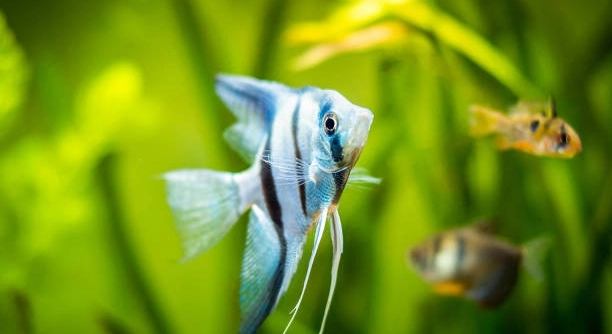
When setting up an angelfish tank, it’s essential to know what should and shouldn’t be added. There are several things that can harm your fish or disrupt the balance of the tank environment.
Certain items, such as incompatible tankmates, harsh chemicals, or inappropriate decorations, can harm angelfish. Adding these elements can lead to stress, illness, or even death. Ensuring a safe and healthy tank environment is critical for angelfish.
Maintaining a safe and healthy environment for your angelfish is vital. Avoid these common mistakes to help keep your fish happy and thriving in their home.
1. Incompatible Tankmates
When choosing fish to live with angelfish, it’s important to remember that not all species get along. Angelfish are peaceful but territorial and may get stressed by overly aggressive tankmates. Fish like larger cichlids or fast-moving species might not be ideal.
Keeping angelfish with similar temperament fish, such as tetras or other peaceful community fish, can help avoid conflicts. Avoid mixing them with aggressive species that might provoke stress or fighting. Even some smaller fish can trigger an angelfish’s territorial instincts.
Incompatible tankmates can lead to stress-related health issues, which will only worsen if you don’t intervene. The wrong fish may also disrupt the balance of the tank, affecting the water quality and harming your angelfish in the long run. It’s best to choose tankmates carefully, ensuring that they can coexist peacefully with your angelfish. Be sure to research each species’ behavior and needs before adding them to your aquarium.
2. Sharp or Rough Decorations
Decorations in the tank should be chosen with care. Sharp edges or rough surfaces can injure your angelfish, especially since they often swim near rocks and plants. Smooth and soft ornaments are the safest option.
Sharp objects can scrape or tear an angelfish’s fins and body, leading to infections or other health problems. Choosing rounded, smooth decorations reduces this risk and keeps your fish safe from injury. Always inspect decorations before adding them to the tank.
Additionally, carefully selecting appropriate decorations can help create a calm and peaceful environment for your angelfish. A simple setup with soft plants, smooth rocks, and safe hiding places will benefit both the fish and the overall aesthetic of the tank. This approach minimizes the chances of your angelfish getting hurt while swimming and provides a more comfortable space for them to thrive.
3. Overcrowding the Tank
Overcrowding your tank can lead to poor water quality and stress for your angelfish. A small tank with too many fish makes it difficult to maintain clean water, which is essential for their health.
Angelfish need space to swim and establish territories. A crowded tank can cause them to become more aggressive or stressed, making them prone to illness. Ensuring you don’t overcrowd the tank with too many fish will help maintain water quality and a peaceful environment.
It’s important to keep the number of fish within the recommended tank size. This not only helps the water stay clean but also prevents fighting or excessive territorial behavior. Providing each fish enough space leads to a more harmonious environment for all.
4. Inadequate Filtration
A proper filtration system is crucial for maintaining a healthy tank. Without it, water quality will deteriorate quickly, which can be harmful to your angelfish. Filtration helps remove debris, toxins, and waste.
Without effective filtration, harmful substances like ammonia and nitrites build up in the water. These toxins can damage the fish’s gills, leading to respiratory issues or other health problems. Choosing the right filter for your tank size ensures that the water remains clean and safe for your angelfish.
In addition to a good filter, regular water changes are necessary to keep the tank environment stable. Even with a filter, over time, some waste can accumulate. Combining both a proper filtration system and routine maintenance ensures your angelfish have the best possible living conditions.
5. Poor Water Quality
Poor water quality is one of the biggest threats to angelfish. High levels of ammonia, nitrites, and nitrates can cause stress and illness. Regular testing is essential to keep the water safe.
To maintain good water quality, test for harmful substances frequently and perform regular water changes. Clean the tank and replace the filter media as needed to ensure the water remains balanced.
A water filter helps keep the tank clean, but monitoring the water conditions yourself ensures it stays in the ideal range for angelfish health. Always ensure proper water circulation and a stable temperature for the best results.
6. Incorrect Tank Temperature
Angelfish are sensitive to temperature changes. Water that is too hot or too cold can stress them, affecting their health. They thrive in a temperature range of 74-82°F (23-28°C).
Temperatures outside of this range can cause sluggish behavior or increased vulnerability to diseases. Ensure the aquarium heater is set correctly, and use a thermometer to monitor fluctuations. Avoid placing the tank in areas with temperature extremes.
Keeping a stable temperature is essential for your angelfish’s well-being. Temperature fluctuations can stress them, lowering their immune system and making them more susceptible to infections. Always monitor both the heater and the environment around the tank.
FAQ
What type of food should I feed my angelfish?
Angelfish are omnivores, so they thrive on a varied diet. Feed them high-quality flakes, pellets, and occasional live or frozen foods like brine shrimp, bloodworms, and daphnia. A varied diet ensures they get all the nutrients they need. It’s important not to overfeed, as uneaten food can degrade water quality. Offer small portions two to three times a day, and remove excess food after a few minutes.
How often should I clean my angelfish tank?
Regular maintenance is essential to keep your tank healthy. Perform partial water changes of 20-30% every week to maintain good water quality. You should also clean the tank decorations, substrate, and filter. A light cleaning of the substrate can be done every two weeks to prevent waste build-up. Always monitor the water parameters before and after cleaning to ensure the environment stays stable.
Can angelfish live with other fish?
Yes, angelfish can live with other fish, but it’s important to choose compatible tankmates. Avoid adding aggressive species that could stress or harm the angelfish. Ideal tankmates are peaceful community fish like tetras, corydoras, and mollies. Always research the temperament and size of the species before adding them to the tank to ensure harmony.
Why are my angelfish behaving strangely?
Strange behavior could be a sign of stress or illness. Common causes include poor water quality, incompatible tankmates, or inappropriate tank conditions. Check the water parameters regularly to ensure they are in the ideal range. Also, observe your angelfish for signs of illness such as faded color, loss of appetite, or unusual swimming patterns. If symptoms persist, consider consulting a veterinarian specializing in fish.
How long do angelfish live?
Angelfish generally live for 10 to 15 years if provided with proper care. The lifespan of your angelfish can be influenced by factors like water quality, tank conditions, and diet. Keeping them in a stable and healthy environment will help maximize their lifespan.
Can I breed angelfish in a home aquarium?
Yes, angelfish can breed in a home aquarium. To encourage breeding, ensure the water temperature is around 80°F (27°C) and the tank has a flat surface, like a broad leaf or a rock, where the female can lay eggs. Angelfish are protective of their eggs, and both parents will help guard and care for the fry. However, breeding angelfish requires patience, as they may need several attempts before successfully raising the fry.
Do angelfish need a lot of space?
Angelfish need ample space to thrive. While they don’t require as much space as larger fish, they should still be kept in a tank that’s at least 30 gallons for a pair. A larger tank allows them to swim freely, reducing stress and promoting a healthier environment. If you plan to add other fish, make sure the tank size accommodates everyone comfortably.
Why is my angelfish’s color fading?
Fading color in angelfish can be a sign of stress, illness, or poor water conditions. Stress factors include aggressive tankmates, overcrowding, or sudden changes in water temperature. Illnesses, like parasites or fungal infections, can also cause color loss. Ensure that your angelfish’s environment is optimal, and if the problem persists, consult a professional to rule out disease.
How can I tell if my angelfish is sick?
Sick angelfish may show several signs, including changes in swimming behavior, loss of appetite, faded coloration, clamped fins, or unusual darting movements. Check the water quality and make sure your fish are not stressed by incompatible tankmates. If symptoms persist or worsen, it may be necessary to isolate the sick fish and treat them with appropriate medication.
Can angelfish survive in freshwater?
Yes, angelfish are freshwater fish and should be kept in a freshwater tank. They are not suited for brackish or saltwater environments. Maintaining stable water parameters, such as temperature and pH, is critical to their health. Angelfish are sensitive to changes in water quality, so regular testing is necessary.
Final Thoughts
Angelfish are beautiful, peaceful creatures that make great additions to freshwater tanks. However, to keep them healthy, it is essential to provide the right environment. Proper tank size, water quality, and temperature are all crucial for their well-being. A stable environment helps reduce stress, which can lead to illness or aggressive behavior. Additionally, the right tankmates are important for maintaining harmony in the aquarium. Avoid overcrowding and make sure the other fish are compatible with angelfish to prevent any conflicts.
Feeding your angelfish a varied diet is another key factor in their health. Providing a mix of high-quality flakes, pellets, and occasional live or frozen food helps ensure they receive all the necessary nutrients. Overfeeding should be avoided to prevent water quality issues, as uneaten food can quickly pollute the tank. Regular water changes are essential for keeping the tank clean and maintaining healthy water parameters. Monitoring the water regularly for ammonia, nitrites, and nitrates will help prevent issues before they become serious.
By paying attention to the small details, such as water temperature, filtration, and tank cleaning, you can create a thriving environment for your angelfish. While they are relatively low-maintenance, they still require care and attention to thrive. Regular maintenance and proper care will not only extend their lifespan but also ensure they live in a stress-free and healthy environment. Keep in mind that angelfish are long-lived, so providing the best conditions from the start will allow you to enjoy their beauty and grace for many years.

Hello,
If you enjoy the content that we create, please consider saying a "Thank You!" by leaving a tip.
Every little bit helps us continue crafting quality advice that supports the health, happiness, and well-being of pets around the world, for pets of all shapes, sizes, and species.
We really appreciate the kindness and support that you show us!