
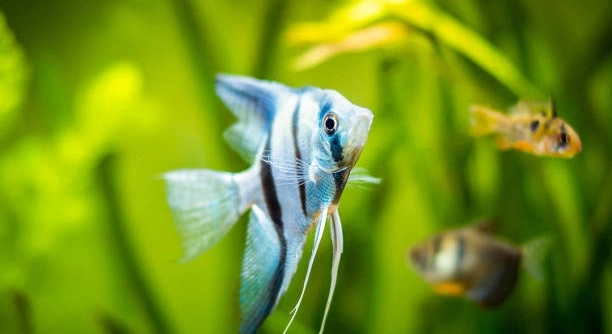
Angelfish are known for their graceful swimming, but if you’ve noticed your angelfish swimming backward, it can be concerning. This unusual behavior often signals an underlying issue that needs attention to ensure your fish’s well-being.
Swimming backward in angelfish can result from various causes, including poor water quality, stress, physical injury, or issues with the fish’s swim bladder. Understanding the underlying reasons can help you address the problem and improve your fish’s health.
Knowing the causes of this behavior can help you take the right steps to maintain a healthy environment for your angelfish.
Poor Water Quality
If the water quality in your tank is poor, your angelfish may begin to swim backward. Angelfish are sensitive to their environment, and bad water conditions can stress them out. High ammonia levels, improper pH, or high nitrate concentrations are common water quality issues. These problems affect the fish’s behavior, causing them to swim in unusual patterns, including backward.
When water quality is off, the fish might struggle to maintain normal swimming. Angelfish thrive in stable, clean water with proper filtration. Regular water changes, using a reliable filter, and testing the water are important steps to keep your angelfish healthy. Ensuring the right balance will help prevent swimming problems.
Maintaining a stable environment for your angelfish requires consistent monitoring. The right water parameters will not only prevent backward swimming but will also support your fish’s overall well-being. Don’t skip regular water tests—your angelfish will thank you for it.
Swim Bladder Disorder
Swim bladder issues are another common reason why angelfish may swim backward. The swim bladder helps fish maintain buoyancy, and when it’s affected, the fish can have trouble controlling their movements. This disorder may arise from injury or improper diet.
Swim bladder problems can be caused by overfeeding, constipation, or bacterial infections. An imbalance in diet, especially feeding too many dry foods, can lead to this condition. Fish that are overfed or experience digestive issues may find themselves struggling to swim correctly.
To address swim bladder disorder, consider adjusting your angelfish’s diet. Feed smaller portions and include a variety of foods. Additionally, avoid feeding frozen or dried foods that can lead to constipation. If the problem persists, seeking help from a vet is recommended.
Stress or Anxiety
Angelfish can become stressed from sudden changes in their environment. New tankmates, loud noises, or even rapid changes in water temperature can trigger anxiety. This stress often causes abnormal behaviors, including swimming backward.
When stressed, angelfish may struggle to adapt to their surroundings. Their natural instinct is to avoid threats, and backward swimming can be an attempt to escape perceived danger. Ensuring a calm, stable tank environment with familiar companions can help ease the stress.
A balanced routine for your angelfish is essential. Introduce new fish gradually, avoid sudden temperature fluctuations, and ensure the tank provides adequate hiding spaces. These steps will minimize stress and prevent abnormal behaviors from occurring.
Injury or Physical Trauma
Physical injuries to your angelfish can also lead to backward swimming. Damaged fins, body wounds, or even internal injuries can impair their ability to swim normally. The fish may struggle to maintain control, causing erratic movements.
Angelfish with physical trauma may have difficulty coordinating their movements, and swimming backward could be a result of trying to compensate for an injury. If your angelfish shows signs of injury, such as torn fins or swelling, it’s important to address the issue promptly.
To help your angelfish recover, isolate the injured fish in a separate tank to avoid further stress. Clean the water regularly and ensure it’s free from harmful chemicals. You may also need to apply medications depending on the severity of the injury.
Poor Diet or Overfeeding
A poor diet or overfeeding can cause digestive issues that affect swimming. When angelfish are overfed, they may struggle to process the excess food, which can lead to bloating and trouble swimming.
If your angelfish is consuming more than it can handle, it can suffer from digestive problems. These issues can cause discomfort and lead to abnormal swimming patterns, like moving backward. Adjusting portion sizes and feeding them a balanced diet will prevent these problems.
Try feeding your angelfish small, frequent meals. Avoid feeding them excessive amounts of dry foods, which can contribute to bloating. Offering varied foods like live or frozen options can also help.
Tank Size and Space
Angelfish need plenty of space to swim freely. A tank that’s too small or overcrowded can lead to stress, which may trigger unusual swimming behavior. A cramped environment may prevent the fish from swimming naturally.
Angelfish are territorial and can feel restricted in smaller tanks. Without enough room to move, they may resort to backward swimming as an attempt to find more space. Providing ample space for your fish can reduce this stress.
Ensure your tank is large enough for your angelfish. A minimum of 30 gallons is recommended for a small group. This will help keep the fish comfortable and encourage normal swimming behavior.
Water Temperature
Water temperature plays a big role in your angelfish’s behavior. If the water is too cold or too hot, it can cause stress and erratic swimming patterns. Keeping the water temperature stable is crucial for maintaining normal behavior.
Angelfish prefer a temperature range of 76–82°F. If the water is too cold, their metabolism slows down, and they may struggle to swim properly. If it’s too warm, they may become sluggish or stressed. Consistent temperatures help maintain healthy swimming habits.
Investing in a reliable heater will help regulate the water temperature. Always use a thermometer to monitor the temperature and make adjustments as needed.
FAQ
Why is my angelfish swimming backward?
Swimming backward can be a sign that something is wrong with your angelfish. The most common reasons include poor water quality, swim bladder issues, stress, physical injury, or an improper diet. It’s important to check water parameters, ensure proper tank conditions, and observe your fish for any signs of illness or injury. If the problem persists, a visit to the vet might be necessary.
What should I do if my angelfish is swimming backward?
Start by testing the water quality and adjusting if necessary. Ensure the tank is clean and the water parameters, including pH, ammonia, and nitrate levels, are within acceptable ranges. If the water quality is fine, consider adjusting your fish’s diet, checking for injuries, and monitoring the tank for any signs of stress. In case of swim bladder disorder, changing the diet and feeding smaller meals can help. If the issue doesn’t improve, consult a vet.
Can water temperature affect my angelfish’s swimming behavior?
Yes, temperature fluctuations can affect angelfish behavior. They prefer water temperatures between 76–82°F. Too cold or too warm water can cause stress, slow down their metabolism, and lead to abnormal swimming. Ensure your aquarium heater is functioning properly to maintain a stable, comfortable temperature.
How can I reduce stress in my angelfish?
To reduce stress in your angelfish, create a calm and stable environment. Avoid sudden changes in water conditions, temperature, or tankmates. Ensure the tank has plenty of hiding spots for your fish to feel secure. Also, avoid overcrowding, and introduce new fish gradually.
Could overcrowding cause my angelfish to swim backward?
Yes, overcrowding can lead to stress, which may result in abnormal swimming behavior. When angelfish don’t have enough space to move freely, they may swim in unusual ways, including backward. Make sure your tank provides enough room for each fish, with a minimum of 30 gallons for a small group.
What are the signs of swim bladder disease in angelfish?
Signs of swim bladder disease include difficulty swimming, floating upside down, or swimming backward. The fish may also struggle to maintain their position in the water. Affected fish may appear bloated or show signs of a distended abdomen. If you notice these symptoms, check for constipation or injury and consider changing the fish’s diet to include more fiber.
How often should I feed my angelfish?
Angelfish should be fed small portions 1-2 times per day. Overfeeding can cause digestive issues and result in abnormal swimming behavior. Feed them only what they can consume in a few minutes, and ensure you are offering a balanced diet that includes both dry and occasional live or frozen food.
What are the best foods for angelfish?
A varied diet is best for angelfish. They thrive on high-quality pellets, flakes, and occasional live or frozen foods like brine shrimp or bloodworms. Avoid overfeeding dry foods, as they can cause constipation and swim bladder issues. Offering a mix of foods helps keep them healthy and active.
Can injuries cause my angelfish to swim backward?
Yes, physical injuries can lead to backward swimming. If your angelfish has damaged fins or internal injuries, it may struggle to swim normally. If you notice visible signs of injury, such as torn fins or swelling, isolate the fish in a separate tank for recovery and ensure clean water to promote healing.
How can I tell if my angelfish is stressed?
Stress in angelfish can be caused by poor water conditions, tankmate issues, or environmental changes. Signs of stress include abnormal swimming behavior, loss of appetite, hiding more than usual, and faded colors. Monitoring water quality and tank conditions, along with observing the fish for any behavior changes, is key to addressing stress.
Can I fix swim bladder issues in my angelfish?
Swim bladder issues can often be improved by adjusting the diet. Feeding smaller meals, using high-quality foods, and including fiber-rich options like peas can help with constipation-related swim bladder problems. If the issue is caused by an infection or injury, seek advice from a vet for treatment options.
How do I know if my angelfish is injured?
Injuries may present as torn fins, swelling, or unusual swimming patterns like swimming backward. If your angelfish shows signs of physical damage, it’s important to isolate it from other fish and keep the water clean. You may also need to treat the injury with medication or consult a vet.
Can new tankmates make my angelfish swim backward?
Yes, introducing new tankmates can stress your angelfish, especially if they are territorial or the new fish are aggressive. This stress can lead to abnormal behavior, including swimming backward. It’s best to introduce new fish gradually and ensure they are compatible with your angelfish’s temperament.
What should I do if my angelfish keeps swimming backward despite improving water quality?
If improving water quality doesn’t resolve the issue, consider checking for swim bladder disease, stress, or injuries. Also, review the fish’s diet and feeding habits, as overfeeding or constipation could be contributing factors. If the issue persists, seek advice from a vet specializing in aquarium fish.
Final Thoughts
Understanding why your angelfish is swimming backward is important to address the issue effectively. This behavior can stem from various causes, including poor water quality, swim bladder issues, stress, or even injuries. By closely observing your fish and making necessary changes in their environment, you can often correct the behavior and ensure your angelfish remains healthy. Regular water testing, monitoring temperature, and adjusting their diet are simple yet crucial steps in maintaining a stable, healthy aquarium.
In some cases, a quick fix may not resolve the problem right away. If your angelfish is suffering from swim bladder disease or another internal issue, it might require special attention, such as adjusting its diet or seeking treatment from a vet. It’s also essential to recognize signs of stress and injury, which can sometimes cause backward swimming. Keeping the tank environment calm and providing enough space for your fish can significantly reduce the likelihood of stress-related swimming behavior.
Ultimately, paying attention to your angelfish’s behavior and responding promptly is key to maintaining its health. With the right care, you can correct backward swimming and prevent future problems. If the issue persists despite your efforts, consulting a vet who specializes in fish is always a good idea. By staying proactive and keeping your angelfish’s environment in check, you ensure a happier, healthier fish that will thrive in your aquarium.

Hello,
If you enjoy the content that we create, please consider saying a "Thank You!" by leaving a tip.
Every little bit helps us continue crafting quality advice that supports the health, happiness, and well-being of pets around the world, for pets of all shapes, sizes, and species.
We really appreciate the kindness and support that you show us!