
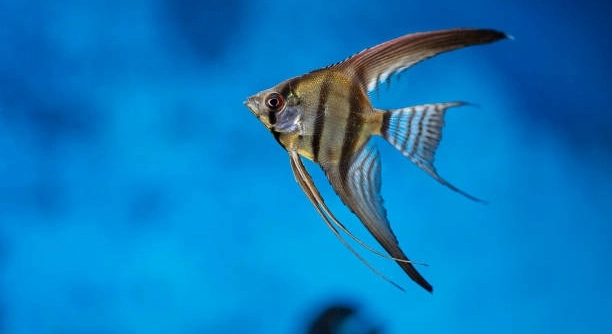
Angelfish are known for their beauty and grace, making them a popular choice in many aquariums. However, it can be concerning when they stop eating food they once enjoyed. Several factors may contribute to this behavior.
The most common reason for an angelfish ignoring food is stress, which can be caused by changes in the environment, water quality, or tank mates. Illnesses or aging can also lead to a decreased appetite. Addressing these factors may help restore normal feeding habits.
Understanding the reasons behind your angelfish’s loss of appetite is key to resolving the issue. Identifying the root cause will ensure your fish remains healthy and well-nourished.
Stress from Environmental Changes
When your angelfish suddenly loses interest in food, stress is often the main factor. Fish are highly sensitive to changes in their environment. Even small fluctuations in water temperature, pH levels, or lighting can trigger stress. The introduction of new tank mates, rearranging the aquarium, or loud noises nearby can also be unsettling. Stress negatively affects your angelfish’s overall well-being, and one of the first signs is a loss of appetite. This can eventually lead to other issues, like weakened immune systems or aggressive behavior.
To help reduce stress, ensure the tank’s environment remains stable. Monitor water quality regularly and avoid sudden changes in temperature or pH. It’s also important to keep your tank peaceful by avoiding overly aggressive tank mates or loud disturbances. Providing hiding spots for your angelfish to retreat to can also help them feel more secure. By minimizing stressors, you can encourage healthy feeding habits and overall happiness for your fish.
Illness or Infection
Infections or illnesses are another common reason why your angelfish may stop eating. Parasites, bacterial infections, or internal parasites can all affect their appetite. Symptoms to look for include lethargy, abnormal swimming behavior, or visible signs of illness like white spots or lesions. It’s crucial to monitor for other symptoms and consult an expert if needed.
If your fish is ill, it’s important to isolate it from other tank mates to prevent the spread of disease. In many cases, appropriate treatment for parasites or bacteria can restore normal feeding behavior. You can also improve your fish’s health by maintaining good water quality and using fish-safe medications when necessary.
Overfeeding
Overfeeding your angelfish can lead to a loss of appetite. Excess food in the tank not only affects water quality but can also make your fish sluggish. When they’re consistently given more food than they need, they may lose interest in eating at all. It’s crucial to feed them in moderation.
A good rule of thumb is to feed your angelfish small amounts that they can consume within a few minutes. Any leftover food should be removed after feeding to prevent water contamination. If overfeeding is the issue, try reducing their meals to a manageable portion and observe their response. A balanced feeding routine will keep your fish healthy and engaged during mealtime.
Fish can sometimes grow accustomed to eating more than necessary, which leads to them ignoring food when it’s offered. If the habit of overfeeding continues, it may also lead to health problems, such as obesity. This can affect their mobility and energy levels, making them less likely to seek out food. Try to stick to a feeding schedule and be consistent to avoid these issues in the future.
Poor Water Quality
If the water quality in your aquarium is poor, your angelfish may stop eating. Ammonia, nitrites, or high nitrate levels can cause stress and discomfort. Test the water regularly and make necessary adjustments. Clean your tank and change the water often to maintain a healthy environment.
Regular water changes are crucial for keeping harmful toxins at bay. Ideally, change 25-30% of the water every week, especially if you have multiple fish. Additionally, use a reliable filtration system to keep the water clean. Poor water quality can not only reduce your fish’s appetite but also lead to long-term health issues.
Tank Mates
Aggressive tank mates may be causing your angelfish to lose its appetite. If other fish are bullying or stressing your angelfish, it may avoid food to reduce interaction. Even minor aggression can lead to a decrease in feeding.
Observing the behavior of tank mates closely is essential. If you notice bullying or territorial behavior, consider rearranging the tank or separating aggressive fish. You can also try adding more hiding places for your angelfish to feel secure. A peaceful tank environment encourages healthy eating and overall well-being.
FAQ
Why is my angelfish not eating after a water change?
Sometimes, your angelfish may refuse to eat immediately after a water change due to the change in water conditions. The difference in temperature, pH, or even the presence of chlorine can cause stress. If the change was too drastic, it could upset your fish’s system. Make sure the water temperature and pH match the previous conditions as closely as possible. It’s also good practice to use a water conditioner to remove any chlorine or chloramine from tap water, ensuring it’s safe for your fish. If your angelfish doesn’t eat right after a water change, give it some time, but monitor the water closely for any signs of instability.
How can I get my angelfish to eat again after illness?
When an angelfish recovers from an illness, it may take some time before its appetite returns to normal. Start by offering easily digestible foods, such as brine shrimp or high-quality flakes. If your fish is still weak, consider soaking the food in a vitamin supplement or medicated food to aid its recovery. Make sure the tank environment is stable, with proper water quality and temperature. Gradually reintroduce regular feeding once your angelfish shows signs of improvement. A stress-free environment will help encourage eating and a quicker recovery.
Can I try different types of food if my angelfish isn’t eating?
Yes, trying different foods can help if your angelfish is ignoring its usual meals. Angelfish are known to be somewhat picky eaters, and they may lose interest in certain foods. Offering a variety of food types, such as live or frozen food like daphnia, bloodworms, or brine shrimp, can stimulate their appetite. You can also try a mix of sinking pellets or high-quality flakes. Always ensure the food is fresh and properly sized for your fish. If they show interest in a new type of food, gradually return to their regular diet.
Could tank lighting be affecting my angelfish’s eating habits?
Yes, lighting can influence your angelfish’s feeding habits. Angelfish are naturally shy and may feel stressed or exposed under bright lights. If the tank lights are too harsh or too bright, it could cause stress, leading to a loss of appetite. Try reducing the light intensity or using dimmer lighting. Additionally, ensure the tank has adequate hiding spots for your angelfish to feel safe. Consider using a timer for consistent light cycles, allowing your fish to have a predictable day/night pattern, which can reduce stress.
How long can an angelfish go without eating?
Angelfish can typically go without food for 3 to 5 days, but prolonged periods without eating can weaken their immune system and overall health. If your angelfish hasn’t eaten for a few days and shows no interest in food, it’s important to investigate potential causes like stress, illness, or poor water quality. If your fish is refusing food for more than a week, it’s best to consult with an aquarium professional or a vet to determine the underlying issue. Keep a close eye on your fish’s behavior, as extended periods of inaction can lead to further complications.
Can water temperature affect my angelfish’s appetite?
Yes, water temperature plays a crucial role in your angelfish’s eating habits. Angelfish thrive in water temperatures between 76°F and 82°F (24°C – 28°C). If the water is too cold, your fish may become sluggish and lose interest in eating. On the other hand, if the water is too hot, it could lead to stress or a lack of appetite. Ensure your tank’s heater is set to the proper range for your angelfish. Use a thermometer to monitor the temperature regularly, and avoid rapid temperature changes that could further stress your fish.
Can overcrowding cause my angelfish to stop eating?
Yes, overcrowding can lead to a loss of appetite in your angelfish. Too many fish in the tank can cause stress, as angelfish prefer space to swim freely. Overcrowding leads to territorial disputes, reduced oxygen levels, and poor water quality, all of which can affect your fish’s health. Ensure your tank is appropriately sized for the number of fish. A general rule of thumb is 1 inch of fish per gallon of water. Regular water changes and a properly sized filtration system are essential in maintaining a healthy environment.
What should I do if my angelfish is not eating but seems healthy?
If your angelfish seems healthy but refuses food, it could be a sign of boredom or environmental factors. Ensure the water conditions are stable, including temperature, pH, and ammonia levels. Try offering different types of food to see if your fish shows interest. Sometimes, introducing live or frozen food can help stimulate their appetite. Additionally, check if other tank mates are causing stress or aggression. A peaceful, stable environment with a variety of food options can help your angelfish feel more comfortable and return to its normal eating habits.
How do I know if my angelfish is simply being picky or is unwell?
It can be tricky to tell whether your angelfish is being picky or is actually unwell. Picky eating behavior typically occurs when your fish refuses a particular food but remains healthy, active, and alert. If your angelfish shows signs of lethargy, abnormal swimming, or physical changes like discoloration or lesions, it’s more likely that illness is the issue. Healthy fish will occasionally turn down food, but if your fish consistently refuses food and exhibits other signs of distress, it’s time to check for illness and address any water quality problems.
How can I prevent my angelfish from losing its appetite?
Preventing a loss of appetite in your angelfish involves maintaining a stable and clean environment. Regular water changes, proper filtration, and monitoring water parameters are key to ensuring your fish is comfortable. Avoid sudden changes in tank conditions, including temperature and pH. Keep tank mates peaceful and ensure there’s enough space for everyone. Provide a varied diet, including high-quality flakes, pellets, and occasional live or frozen food, to keep your angelfish engaged and well-nourished. Stress reduction and a consistent feeding schedule are essential for maintaining a healthy appetite in your fish.
Final Thoughts
It can be concerning when your angelfish stops eating, especially when it was once a healthy, active fish. There are many reasons why this could happen, ranging from stress caused by water quality to more serious health issues. Monitoring your angelfish closely, keeping the tank environment stable, and maintaining good water quality are the first steps toward resolving the issue. Fish are sensitive creatures, and even small changes can impact their appetite. Understanding the factors that affect their feeding habits is crucial to ensuring they thrive in your care.
One of the most common causes of a decrease in appetite is poor water quality. Angelfish, like many other fish, are very sensitive to the levels of ammonia, nitrites, and nitrates in the water. When these toxins build up, your fish may refuse to eat as a sign of distress. Regular water testing and maintenance are key to preventing this. Also, consider the temperature of the water; angelfish prefer warmer water, and fluctuations in temperature can lead to stress, which may also affect their eating. Keeping a stable and comfortable environment is one of the most effective ways to support your fish’s health and encourage feeding.
If your angelfish’s appetite continues to decline despite maintaining good water quality and a stable tank environment, it’s important to consider other potential causes. Illness, stress from tank mates, and changes in diet can all play a role. Sometimes a visit to a professional is necessary to rule out underlying health issues. Patience and observation are essential in this process. By understanding and responding to the needs of your angelfish, you can address any problems that arise and help your fish get back to a healthy, happy state.

Hello,
If you enjoy the content that we create, please consider saying a "Thank You!" by leaving a tip.
Every little bit helps us continue crafting quality advice that supports the health, happiness, and well-being of pets around the world, for pets of all shapes, sizes, and species.
We really appreciate the kindness and support that you show us!