
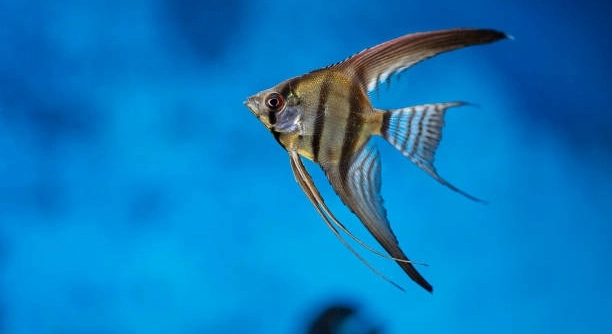
Angelfish are known for their vibrant colors and peaceful nature, but sometimes they may show signs of stress. Understanding these signs can help ensure they remain healthy and happy in your tank. It’s important to recognize early warning signs.
Stress in angelfish can stem from various factors such as water quality, tank mates, or environmental changes. Common signs of stress include erratic swimming, loss of color, or hiding frequently. Keeping an eye on these behaviors is crucial for their well-being.
By understanding these signs, you can create a better environment for your angelfish, promoting a stress-free habitat.
1. Water Quality Issues
Water quality plays a significant role in your angelfish’s well-being. Poor water conditions can lead to stress, making your fish more susceptible to illness. If the water temperature is too high or too low, or if there’s an imbalance in pH levels, your angelfish will react. Additionally, high ammonia or nitrite levels can be harmful, making it essential to keep the tank clean and monitor the water frequently. Regular water changes and proper filtration will help maintain an optimal environment for your fish.
To prevent water quality issues, you should regularly test the water parameters to ensure they stay within the appropriate range for angelfish. Ammonia, nitrite, and nitrate levels should always be monitored, and the water temperature should be stable.
Maintaining clean water not only reduces stress but also helps prevent infections. Be sure to use a good filter and perform routine water changes. Additionally, avoiding overfeeding can prevent excess waste from affecting water quality. Proper water conditions will keep your angelfish healthy and stress-free.
2. Tank Mates
Choosing the right tank mates is crucial for keeping your angelfish stress-free. Angelfish can become stressed when housed with aggressive or overly active fish, which can cause them to hide more often.
When selecting tank mates for your angelfish, it’s best to choose peaceful species that won’t compete for food or space. Fish like tetras or peaceful catfish are ideal companions for angelfish. Avoid keeping them with fin-nipping fish, as this can lead to further stress.
The right balance of fish in the tank will reduce aggression and provide a calm, supportive environment for your angelfish. This will help your angelfish feel secure and minimize stress.
3. Overcrowding in the Tank
Overcrowding is another major source of stress for angelfish. When there’s not enough space in the tank, your angelfish will feel cramped and insecure. This can lead to aggressive behavior, hiding, and lack of proper swimming space.
The more fish in a tank, the higher the risk of water quality problems and territorial disputes. Each angelfish requires enough room to swim freely and establish its space. If the tank is too small or crowded, it can disrupt their natural behavior, leading to stress.
To avoid overcrowding, make sure your tank has enough room for the number of fish you have. As a general rule, angelfish need at least 20 gallons per pair. Consider upgrading the tank size or reducing the number of fish if you notice signs of overcrowding.
4. Improper Diet
Angelfish can become stressed if they’re not getting the right diet. A poor or imbalanced diet can lead to malnutrition and weak immune systems, making them more susceptible to disease.
To keep your angelfish healthy, provide a varied diet that includes high-quality flake food, pellets, and occasional live or frozen foods. A good diet should meet all their nutritional needs, supporting their growth and immune health. It’s also important not to overfeed, as uneaten food can contaminate the water.
Feeding your angelfish the proper food can also enhance their colors and overall well-being. By offering a mix of proteins, greens, and vitamins, you ensure they remain active and vibrant. This will reduce stress and help keep your fish happy.
5. Sudden Environmental Changes
Sudden changes in the environment can be very stressful for angelfish. This includes fluctuations in temperature, light, or even decorations being moved around.
Angelfish thrive in stable conditions. If the tank temperature changes rapidly or if new objects are added too quickly, they can become anxious and stop eating. They may also start hiding more often.
To avoid stress from environmental changes, try to maintain a consistent routine. Adjust the tank gradually if needed and avoid rearranging their space too often. Stability will help your angelfish feel secure and comfortable.
6. Illness or Injury
When angelfish are sick or injured, they may show signs of stress. It’s important to catch these issues early so they can be treated properly.
If your angelfish is acting lethargic or has visible sores or wounds, it’s a sign they need attention. Sometimes, poor water quality or aggressive tank mates can cause injuries. Infected fish may display abnormal behavior and isolation.
Monitor your angelfish closely for any signs of illness or injury. Regularly check their behavior and physical condition. Promptly addressing any health concerns will help prevent long-term stress and improve their recovery.
7. Incompatible Water Conditions
Water conditions such as pH levels, hardness, and salinity need to be within a suitable range for angelfish. If these factors are off, stress is inevitable.
Angelfish prefer slightly acidic to neutral water, with a temperature range of 76 to 82°F. If the water parameters are outside of this range, your angelfish may exhibit signs of discomfort, such as rapid breathing or unusual swimming patterns. Make sure you regularly test the water and adjust it as needed.
FAQ
How can I tell if my angelfish are stressed?
Stressed angelfish may display behaviors like erratic swimming, frequent hiding, or a loss of color. They may also swim in circles or near the tank’s surface. These signs often indicate a problem with water quality, tank mates, or environmental changes.
What are the common causes of stress in angelfish?
Common stress factors for angelfish include poor water quality, overcrowding, incompatible tank mates, sudden temperature changes, improper diet, or illness. Each of these factors can disrupt the fish’s natural behavior and cause stress.
Can stress cause angelfish to die?
Yes, prolonged stress can weaken an angelfish’s immune system, making it more vulnerable to illness. Chronic stress may also lead to poor feeding habits and lethargy, which can eventually result in death if not addressed.
What is the best way to reduce stress in angelfish?
To reduce stress, maintain stable water conditions, ensure proper tank size, and avoid overcrowding. Also, provide a balanced diet and remove aggressive tank mates. Regularly check for signs of illness and address any issues immediately.
How often should I check the water parameters?
It’s recommended to test the water parameters at least once a week. This includes testing for ammonia, nitrites, nitrates, pH, and temperature. Regular testing helps ensure that the water remains suitable for your angelfish.
Can angelfish get stressed from being alone?
Angelfish are generally peaceful but may become stressed if kept alone for long periods. While they don’t need to be in large groups, it’s a good idea to keep them with compatible tank mates to avoid loneliness and potential stress.
Do angelfish need specific tank mates?
Yes, angelfish are best kept with peaceful tank mates. Avoid aggressive fish that could provoke stress or cause injury. Fish like tetras or peaceful catfish make good companions, while species that are overly active or fin-nippers should be avoided.
How do I know if my angelfish are eating enough?
If your angelfish are healthy, they should be eating regularly and not losing weight. Signs of poor feeding include a decrease in size, lethargy, or refusal to eat. If you notice these signs, check the water conditions and diet.
Can I use aquarium additives to reduce stress in my angelfish?
While some aquarium additives claim to reduce stress, the best way to prevent stress is to address the root causes, like poor water quality or overcrowding. However, if you need a quick solution, stress coat additives may help temporarily.
How does tank temperature affect angelfish stress?
Angelfish thrive in stable temperatures between 76-82°F (24-28°C). Fluctuations outside this range can lead to stress and health issues. Sudden temperature changes may shock the fish, causing them to hide or become lethargic.
What should I do if my angelfish are hiding too much?
If your angelfish are hiding constantly, it could be a sign of stress. Check the water quality, tank mates, and temperature. If there are aggressive fish, remove them. If the water parameters are off, correct them as needed.
Is it okay to change the decorations in my angelfish tank?
Changing decorations can stress your angelfish, especially if done suddenly. If you need to rearrange the tank, do it gradually so they have time to adjust. Frequent changes may disrupt their environment, causing anxiety.
Can overfeeding cause stress in angelfish?
Yes, overfeeding can lead to stress by polluting the water with uneaten food. It also creates an unhealthy environment, which can lead to poor water quality. Feed your angelfish only what they can consume in a few minutes to prevent overfeeding.
How do I treat an injured or sick angelfish?
If your angelfish are injured or sick, isolate them in a quarantine tank and monitor their condition. Use appropriate medication for any visible symptoms or wounds. Ensure the water quality is optimal and avoid any unnecessary stress during their recovery.
What are the signs that my angelfish are healthy?
Healthy angelfish swim actively, have vibrant colors, and display normal feeding behavior. They should also interact well with tank mates and exhibit natural behaviors, like resting occasionally but not hiding all the time. Consistent activity and bright coloring are good signs of health.
Can angelfish recover from stress?
Yes, angelfish can recover from stress if the underlying issue is addressed. Improving water quality, adjusting tank mates, and offering proper care can help your fish regain their health and reduce anxiety. Patience and consistency are key during recovery.
Final Thoughts
Angelfish are beautiful, peaceful creatures, but they can be sensitive to stress. When they are stressed, they may display behaviors such as hiding, erratic swimming, or fading colors. Identifying the causes of stress is important to ensure their well-being. Whether it’s poor water quality, overcrowding, or sudden changes in their environment, each factor can impact their health. By recognizing these signs early and addressing them, you can help your angelfish live a healthier, happier life.
Maintaining stable water conditions is one of the most important things you can do for your angelfish. Regularly test the water to ensure the pH, temperature, and other parameters are within the recommended range. In addition, keeping the tank free of debris and harmful toxins helps reduce the chances of stress. Overcrowding can also lead to unnecessary pressure on your fish, so it’s vital to provide enough space for each fish to swim freely. A tank that is too small or has too many fish can create an environment of constant tension.
In the end, the key to a stress-free angelfish tank is balance. Providing a peaceful environment, the right water conditions, and compatible tank mates will give your angelfish the best chance to thrive. Remember that angelfish are sensitive to their surroundings, so consistency and care are essential. With the proper attention, you can ensure that your angelfish stay healthy and happy for many years to come.

Hello,
If you enjoy the content that we create, please consider saying a "Thank You!" by leaving a tip.
Every little bit helps us continue crafting quality advice that supports the health, happiness, and well-being of pets around the world, for pets of all shapes, sizes, and species.
We really appreciate the kindness and support that you show us!