
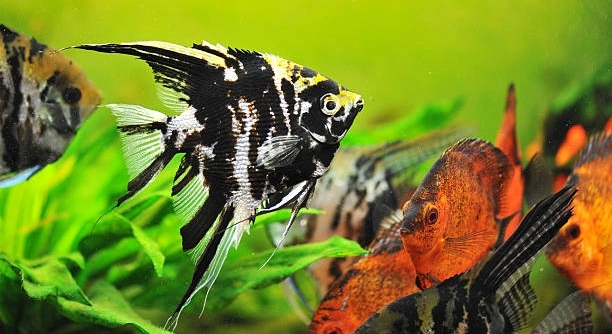
Are your angelfish frequently showing signs of stress, odd behavior, or recurring illness despite your best efforts to care for them?
The best way to prevent disease outbreaks in an angelfish tank is by maintaining excellent water quality, practicing consistent tank hygiene, quarantining new fish, and minimizing stress factors. These steps reduce the risk of harmful pathogens spreading.
Each method in this article is practical, easy to follow, and supports the overall health and stability of your angelfish tank.
Keep the Water Clean and Balanced
Clean water is the foundation of a healthy angelfish tank. Uneaten food, fish waste, and decaying plants can quickly pollute the water and stress your fish. Perform weekly water changes of around 25% and clean the substrate regularly. Use a water conditioner to neutralize chlorine and other harmful chemicals. Monitor ammonia, nitrite, and nitrate levels with a reliable test kit. Ideally, ammonia and nitrite should be at 0 ppm, and nitrate should remain below 40 ppm. Maintaining a consistent temperature between 76°F and 82°F also helps prevent stress and disease. Avoid sudden changes in water conditions, as angelfish are sensitive to fluctuations. Keep filters clean and functioning properly, but don’t wash them in tap water—use tank water to preserve beneficial bacteria. Keeping your water parameters stable isn’t just important—it’s essential. Your angelfish rely on this balance to stay strong, active, and disease-free each day.
A little consistency goes a long way. If you stick to routine maintenance, your angelfish will have a much better chance at staying healthy.
Water that looks clean might not always be safe. Regular testing and proper filtration work together to keep your tank environment healthy and less prone to bacterial or fungal outbreaks.
Quarantine New Fish Before Adding Them
New fish can carry bacteria or parasites that may spread quickly and harm your established angelfish. A short quarantine period gives you time to observe for symptoms.
Keep new arrivals in a separate tank for at least two weeks before introducing them. This setup doesn’t need to be complex—just a simple, cycled tank with a filter and heater. Monitor their eating habits, swimming behavior, and any visible signs of illness like spots, torn fins, or bloating. If issues arise, treat them in the quarantine tank without affecting your main tank. Even if the fish look healthy, skipping this step can lead to avoidable outbreaks. It’s also a good chance to ensure the new fish adjusts to your feeding routine and water parameters. Once the quarantine is complete and the fish appear healthy, you can slowly introduce them to the angelfish tank. This extra step might feel like a delay, but it’s a smart way to protect your established fish and avoid unnecessary stress later.
Avoid Overcrowding the Tank
Too many fish in one tank can lead to poor water quality, stress, and fast-spreading diseases. Angelfish need space to swim and establish territory, and overcrowding can make them aggressive or more prone to illness.
For adult angelfish, aim for a tank that holds at least 20 gallons for a pair, with an additional 10 gallons for each extra fish. Overstocking increases waste, which leads to higher ammonia levels and oxygen depletion. When fish are packed too closely, even a minor illness can turn into a major outbreak. Watch for bullying or constant chasing—these are signs that space may be too tight. Give your angelfish enough room to swim freely and reduce competition for food and hiding spots. A well-spaced tank not only helps prevent disease but also makes your fish feel more comfortable and settled in their environment.
Spacing also helps your filtration system work more efficiently. With fewer fish producing waste, your filter has a better chance of keeping up. You’ll notice your water stays clearer, and it’s easier to maintain stable parameters. Your angelfish will be less stressed, which naturally strengthens their immune system and helps protect them from disease. Less crowding truly makes a big difference.
Feed a Proper Diet with Variety
A balanced diet supports immune health and helps angelfish fight off potential disease. Feeding high-quality pellets or flakes designed for angelfish is a good base, but it’s also important to add variety with frozen or live foods.
Mix in occasional servings of bloodworms, brine shrimp, and daphnia to add nutrients and encourage natural feeding behavior. Avoid overfeeding, as leftover food breaks down and pollutes the water. Feed only what your angelfish can eat in two to three minutes, once or twice a day. Uneaten food increases ammonia and can promote harmful bacteria. If your angelfish start spitting out food or ignoring it, try offering something different—they may be bored or not feeling well. A varied diet keeps them more active, colorful, and resilient to common illnesses. Don’t rely on just one food source. Balance and variety support healthy digestion and can make a noticeable difference in overall vitality.
Maintain a Stable Temperature and pH
Angelfish need stable water conditions to stay healthy. Sudden changes in temperature or pH can weaken their immune system and increase disease risk. Keep the temperature between 76°F and 82°F and the pH around 6.8 to 7.8 for best results.
Use a reliable heater and thermometer to prevent fluctuations. Check both temperature and pH regularly using test kits. If adjustments are needed, make them slowly to avoid stressing the fish. Sudden shifts can do more harm than good, even if the new level seems ideal.
Clean Equipment and Decorations Regularly
Algae, uneaten food, and biofilm can build up on tank equipment and decorations, creating a breeding ground for harmful bacteria. Clean filters, air stones, and ornaments with tank water every few weeks to prevent buildup. Avoid using soap, as it can leave behind harmful residue.
Limit Stress from Outside Sources
Keep the tank in a quiet spot away from loud noises, constant foot traffic, or sudden lighting changes. Stress weakens angelfish over time and makes them more vulnerable to infections or parasites. A calm environment helps them feel safe and stay healthy.
FAQ
How often should I change the water in my angelfish tank to prevent disease?
Do a partial water change once a week, replacing 20–30% of the water. This helps remove waste, excess nutrients, and harmful bacteria that can lead to illness. Use a gravel vacuum to remove debris from the substrate. Always match the new water’s temperature and pH to the existing tank water to avoid shocking your angelfish. Regular water changes help keep ammonia and nitrate levels under control, both of which are major contributors to stress and disease when left unchecked.
Can new fish bring diseases into my angelfish tank?
Yes, new fish can carry parasites, bacteria, or viruses without showing any signs. To avoid introducing disease, always quarantine new fish in a separate tank for at least 2–4 weeks before adding them to the main tank. During that time, watch for signs of illness such as white spots, clamped fins, or odd swimming behavior. A quarantine period gives you time to treat any issues early and prevents your established angelfish from getting infected. This step is especially important if you’re buying from multiple sources or large pet stores.
What are early signs of disease in angelfish I should watch for?
Look for clamped fins, rapid gill movement, white patches, bloating, loss of appetite, and unusual swimming patterns. Any change in appearance or behavior—such as hiding more than usual, hanging near the surface, or darting quickly—could mean something is wrong. Acting quickly can make treatment more effective and reduce the chance of it spreading to other fish in the tank. Keeping a daily eye on your fish helps you catch these signs early.
Do angelfish get sick from poor tank maintenance?
Yes, poor maintenance is a common reason angelfish get sick. Dirty filters, leftover food, or rising waste levels can lead to poor water quality. This weakens your angelfish’s immune system and makes them more vulnerable to infections like fin rot or ich. Sticking to a consistent cleaning schedule and testing the water weekly helps prevent this. It’s one of the easiest ways to avoid bigger problems down the line.
Can using tap water directly harm my angelfish?
Most tap water contains chlorine or chloramine, which can harm fish. Always treat tap water with a water conditioner before adding it to your tank. Some conditioners also help detoxify ammonia and heavy metals. Skipping this step can cause stress or damage to your angelfish’s gills. Always keep a bottle of conditioner on hand, especially when doing water changes.
Are live plants helpful in disease prevention?
Live plants help maintain better water quality by absorbing nitrates and offering natural shelter. They also reduce stress by creating a more natural environment, which supports your angelfish’s immune system. Healthy plants don’t spread disease, but always rinse new plants before adding them to the tank. Some may carry pests or pesticides, so cleaning them thoroughly is a good safety step.
Should I treat the whole tank if one angelfish gets sick?
Not always. It depends on the type of illness and how far it has spread. If only one fish is showing symptoms, consider isolating it in a hospital tank. This prevents the disease from spreading and allows for more targeted treatment. If multiple fish are affected or if the illness spreads quickly, treating the whole tank may be necessary. Always follow medication instructions carefully and remove activated carbon from the filter when treating, as it can absorb the medicine.
Do angelfish get stressed easily?
Yes, they can be sensitive to changes in their environment. Common stress triggers include sudden temperature shifts, loud noises, aggressive tank mates, or poor water quality. Even small changes in routine can cause stress. Long-term stress weakens their immune system, making disease more likely. Stick to consistent care routines and avoid unnecessary changes to keep your angelfish calm and healthy.
Final Thoughts
Keeping angelfish healthy takes regular care, close observation, and a clean tank environment. When you focus on prevention, you can avoid many of the common problems that lead to illness. Simple steps like weekly water changes, feeding the right amount, and checking for odd behavior go a long way. Making sure the water stays at the right temperature and pH helps reduce stress on your fish. Avoid adding too many new fish at once, and always use a quarantine tank when you bring home new ones. These small habits can have a big impact over time.
The more consistent your tank routine is, the more stable your angelfish’s environment will be. Stability is one of the best ways to prevent disease. Sudden changes in water quality, temperature, or tank mates can cause stress, and stress weakens the immune system. That’s when fish are more likely to get sick. Using reliable test kits, maintaining your equipment, and paying attention to water clarity will help you spot small issues before they turn into big ones. It’s also helpful to keep track of any changes in a notebook or log, especially if you manage multiple tanks or care for other fish too.
Taking the time to understand how angelfish behave when they’re healthy makes it easier to notice when something’s off. Every fish may act a little differently, but over time, you’ll start to notice their normal patterns. When one fish starts to act strangely, it’s often a sign that something needs attention. Addressing issues early makes it more likely your fish will recover, and it keeps your tank community safe. While it may feel like a lot of work in the beginning, a regular care routine becomes second nature after a while. In the end, providing a safe and healthy tank lets your angelfish thrive, and it can make the whole experience more enjoyable.

Hello,
If you enjoy the content that we create, please consider saying a "Thank You!" by leaving a tip.
Every little bit helps us continue crafting quality advice that supports the health, happiness, and well-being of pets around the world, for pets of all shapes, sizes, and species.
We really appreciate the kindness and support that you show us!