
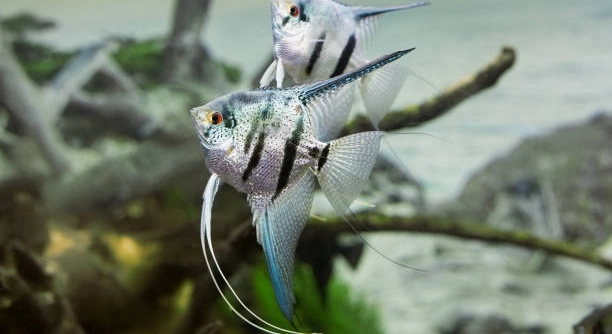
Angelfish are known for their beauty and unique behavior in aquariums. However, you might have noticed that they seem to prefer warmer water. Understanding why your angelfish show this preference can help create a healthier environment for them.
The primary reason angelfish prefer warmer water is that they are tropical fish. In their natural habitats, the water temperature is consistently warm, which supports their metabolic functions and overall health. Cooler water can stress them out.
There are several factors that influence your angelfish’s temperature preference. Recognizing these factors will ensure your fish thrive and are happy in their home aquarium.
Tropical Nature of Angelfish
Angelfish naturally thrive in warm, tropical waters. These fish originate from rivers in South America, where temperatures stay steady and warm. In the wild, their bodies are adapted to handle warm conditions, which aid in their digestion and overall health. When kept in colder water, they can experience stress, leading to illness or a shorter lifespan.
In their native habitat, the temperature usually ranges from 75°F to 82°F (24°C to 28°C). When placed in water that’s too cold, their metabolism slows down. This makes it harder for them to process food and maintain energy, which can weaken their immune system.
Maintaining a warm, stable temperature in your tank ensures your angelfish feel comfortable and active. It also helps them maintain their vibrant colors and natural behaviors. If the water is too cold for an extended period, they may become lethargic or develop health problems like ich or fin rot.
The Impact of Temperature on Metabolism
Fish metabolism works best when the water temperature matches their natural environment. Angelfish are no exception. Their metabolic rate increases with warmer water, allowing them to digest food efficiently and stay active. This is key to keeping them healthy and vibrant.
A drop in water temperature can slow their metabolism, making them more vulnerable to diseases. Cold water may also affect their feeding habits, causing them to eat less and become weaker. Proper water temperature is not just a preference, but essential for your angelfish’s well-being.
Maintaining the right temperature helps with better digestion, faster growth, and a higher quality of life for your angelfish. It ensures that their immune system stays strong, and they can fight off diseases more effectively. A simple aquarium heater can help keep the water within the ideal temperature range.
Temperature and Immune Function
Warmer water supports the immune system of angelfish by increasing their circulation and overall bodily functions. When the temperature drops, their immune response weakens, leaving them more prone to illness. Keeping the water at the right temperature can prevent these problems.
A stable, warm environment boosts their immune defenses. In colder conditions, your angelfish might struggle to fight off common fish diseases like fin rot or fungus. This can lead to more frequent health issues and a shorter lifespan. It’s crucial to maintain the water temperature, as fluctuating temperatures can stress them and compromise their natural ability to heal.
A consistent temperature helps to ensure your angelfish stay healthy and strong. Adding a reliable heater to your aquarium can maintain the right warmth, which supports their immune system. Regular monitoring of the temperature will keep them active and resilient against sickness.
Feeding Behavior and Digestion
Angelfish are more likely to eat regularly when the water is warm. In colder water, they may lose interest in food, leading to poor nutrition. Warmer water promotes healthy digestion and encourages them to feed properly.
When the water temperature is right, angelfish are more active and responsive to feeding times. Their digestive system works more efficiently, ensuring that they absorb the nutrients from their food. Cold water can slow down digestion, meaning the food they eat might not be fully processed, which can lead to malnutrition.
Feeding is essential for their growth, health, and energy levels. Keeping the water at the right temperature will encourage your angelfish to eat regularly, maintaining a steady energy supply. Ensuring the warmth of the tank can also help with faster processing of food, leading to better overall health.
Stress and Behavior
Angelfish can become stressed in water that’s too cold. Stress impacts their behavior, making them more skittish or aggressive. A warmer, stable temperature helps them feel secure and relaxed, reducing stress levels and promoting a more natural environment.
Cold water can also cause your angelfish to hide more often, avoiding interaction or food. When they are comfortable in warm water, they are more likely to swim freely and engage with their surroundings. Stress can also lower their immune system, making them more vulnerable to diseases.
Breeding and Reproduction
Angelfish are more likely to breed when the water temperature is warm. Warmer conditions signal to the fish that it’s time to reproduce. Cold water, on the other hand, may delay or prevent breeding altogether.
Temperature plays a crucial role in the breeding process. If the water temperature stays in the optimal range of 78°F to 82°F (25-28°C), angelfish are more likely to form pairs and produce eggs. Cold temperatures disrupt their mating habits, leading to a lack of reproduction. Maintaining warmth encourages healthy spawning.
Tankmates and Compatibility
Angelfish are more peaceful when kept in warm water. Cold water can make them more aggressive toward their tankmates, especially when they’re stressed. A stable, warm environment keeps them calm, reducing aggression and allowing for better interactions with other fish.
FAQ
Why do angelfish need warm water?
Angelfish are tropical fish that naturally thrive in warm waters. Their bodies are adapted to handle the steady warmth of their native environments, and their metabolism and immune system work best when the temperature is consistent and warm. In colder water, angelfish become stressed, which can lead to health problems, including weakened immune systems and slowed digestion.
What is the ideal temperature for angelfish?
The ideal water temperature for angelfish is between 75°F to 82°F (24°C to 28°C). This range allows them to maintain optimal health, digestion, and activity levels. It’s important to keep the temperature stable, as sudden drops or fluctuations can cause stress, making the fish more vulnerable to diseases.
Can angelfish survive in cold water?
Angelfish can survive in cooler water for short periods, but it is not ideal for their health. Cold water slows their metabolism, reduces their immune function, and can make them more susceptible to diseases. It can also interfere with their feeding and breeding behaviors. Maintaining the right temperature ensures they thrive in the long term.
How do I keep the water temperature stable?
To keep the water temperature stable, it’s recommended to use a reliable aquarium heater. Heaters can be adjusted to maintain the ideal range, ensuring the fish are always comfortable. It’s also important to regularly check the water temperature with a thermometer to make sure the heater is working correctly and the temperature remains consistent.
What happens if the water temperature fluctuates too much?
Fluctuations in water temperature can be very stressful for angelfish. Sudden temperature changes can cause shock, making them more vulnerable to diseases and affecting their metabolism and feeding habits. Over time, temperature instability can weaken their immune system and reduce their lifespan. A heater with a thermostat will help avoid these issues by maintaining a steady temperature.
Can angelfish live with other fish in the same temperature range?
Yes, angelfish can live with other tropical fish that require similar water temperatures. Fish such as tetras, gouramis, and rainbowfish are good tankmates, as they share similar temperature needs. However, it’s important to ensure the other species are not aggressive, as angelfish are peaceful but can become territorial during breeding.
Is it necessary to use a thermometer for my aquarium?
Using a thermometer is highly recommended to keep track of the water temperature. Aquariums can sometimes experience temperature fluctuations that go unnoticed, and a thermometer helps ensure the water stays within the optimal range for your angelfish. Regular checks give you peace of mind and prevent any potential problems.
How does the temperature affect angelfish behavior?
Temperature directly influences the behavior of angelfish. In warmer water, angelfish are more active, engage in normal feeding habits, and exhibit more natural behaviors, such as swimming freely and interacting with their environment. Cold water can make them lethargic, less interested in food, and more likely to hide or become stressed.
What are the signs of temperature-related stress in angelfish?
Signs of temperature-related stress in angelfish include lethargy, erratic swimming, loss of appetite, or unusual hiding behavior. If the water temperature is too cold, angelfish may also exhibit rapid gill movements or show signs of respiratory distress. If you notice these signs, check the water temperature and make adjustments to stabilize it.
Can I use a heater in a small tank for angelfish?
Yes, even in small tanks, using a heater is a good idea for maintaining the right temperature. Small tanks are more likely to experience temperature fluctuations, and a heater can ensure that the water stays warm and stable. Just be sure to use a heater that is appropriately sized for the tank.
What is the best time to check the water temperature?
It’s best to check the water temperature first thing in the morning or in the evening. This is when your aquarium is less likely to be affected by external temperature changes, such as room heating or cooling. Regular checks at these times can help you stay on top of any changes that could affect your fish.
How do I know if my angelfish are comfortable in the water temperature?
Comfortable angelfish display active behavior, such as swimming around the tank and exploring. They will also feed regularly and exhibit normal social interactions with tankmates. If the water temperature is too cold, they may become lethargic, refuse food, or hide in corners of the tank. This behavior indicates discomfort and potential stress.
Final Thoughts
Maintaining the right temperature for your angelfish is essential for their well-being. These tropical fish thrive in warm water, which supports their immune system, digestion, and overall health. Keeping the water between 75°F and 82°F (24°C to 28°C) is ideal. This temperature range ensures that they stay active, healthy, and comfortable. If the water is too cold, it can lead to stress, illness, and slower metabolism. On the other hand, if the temperature is too high, it can cause other problems, like overheating and oxygen depletion, so it’s important to strike the right balance.
Using an aquarium heater can help maintain a stable water temperature, especially in rooms that experience temperature fluctuations. A heater with a thermostat is a good choice, as it will regulate the water and ensure it stays within the ideal range for your angelfish. It’s also important to monitor the temperature regularly with an aquarium thermometer. Small fluctuations in temperature are normal, but consistent changes can cause problems. Keeping an eye on the temperature ensures that your angelfish live in the best conditions possible and helps prevent any stress or health issues.
In conclusion, understanding how temperature affects your angelfish can help you create a thriving aquarium environment. By providing warm, stable water, you support your fish’s metabolism, immune function, and overall happiness. In turn, your angelfish will likely be more active, healthier, and even breed more successfully in the right conditions. By using the proper tools to maintain water temperature and paying attention to any signs of stress, you can ensure that your angelfish remain in top form. Taking these steps will lead to a more enjoyable and successful aquarium experience for both you and your fish.

Hello,
If you enjoy the content that we create, please consider saying a "Thank You!" by leaving a tip.
Every little bit helps us continue crafting quality advice that supports the health, happiness, and well-being of pets around the world, for pets of all shapes, sizes, and species.
We really appreciate the kindness and support that you show us!