
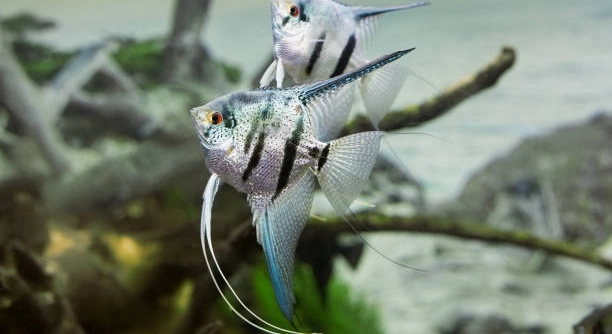
Is your angelfish acting strange by staying away from the bottom of the tank, leaving you confused and a bit concerned?
Angelfish may avoid the bottom of the tank due to stress, poor water conditions, illness, territorial behavior, or changes in the environment. Identifying the root cause is essential to ensuring your fish’s well-being.
Understanding these possible reasons can help you make informed changes to support your angelfish and maintain a peaceful, healthy aquarium.
Poor Water Conditions
When the water quality in your tank isn’t right, angelfish can become uncomfortable and stressed. High levels of ammonia, nitrites, or nitrates often lead to behavior changes, including avoiding the bottom of the tank. Uneven water temperature or a lack of oxygen near the substrate can also play a role. Angelfish are sensitive to their surroundings, and even small shifts in pH or hardness might make them stay away from certain areas. Make sure you’re testing the water regularly using a reliable aquarium test kit. Weekly water changes and a proper filtration system help maintain a stable environment. Avoid overfeeding, as uneaten food breaks down and can pollute the water. If your angelfish usually spends time near the bottom but suddenly changes its habits, water parameters should be one of the first things you check. Clean, balanced water is key to keeping your angelfish healthy and active throughout the tank.
Keep an eye on your tank’s water stats to catch changes early. Even minor imbalances can affect where your angelfish chooses to swim.
By checking the water temperature, pH, and ammonia levels, you can rule out or fix issues that might be bothering your fish. Look for cloudiness, foul smells, or algae blooms as possible signs of a problem.
Illness or Parasites
Sickness can change how your angelfish behaves. It may avoid the bottom if it feels weak or irritated.
Some illnesses, like swim bladder disease, can affect your angelfish’s ability to stay upright or control its movements. Other conditions such as internal parasites or bacterial infections may lead to discomfort, causing the fish to stick to the upper parts of the tank. Look closely for signs like clamped fins, labored breathing, white stringy poop, or visible spots or lesions. If you notice anything out of the ordinary, isolate the fish if possible and consult a vet or aquarium specialist. Medications are available, but be sure to diagnose the issue properly before treating. Use quarantine tanks when introducing new fish to reduce the risk of infection spreading. A weakened immune system from stress or poor water conditions can make the fish more vulnerable, so it’s important to stay on top of overall tank care along with watching for any unusual behaviors.
Stress From Tank Mates
Angelfish can feel stressed when housed with aggressive or overly active fish. This tension may cause them to avoid certain areas, like the bottom of the tank, especially if that’s where they’ve been chased or harassed before.
Fish that nip fins, dart quickly, or dominate feeding time can easily stress out more peaceful species. Angelfish prefer calm, predictable tank mates and may hide or stay higher up if they feel threatened. Even similar-sized fish can create tension if their personalities clash. Try observing the tank during feeding and throughout the day. If your angelfish looks tense, hides often, or stays away from specific fish, it may be time to separate them or rearrange the tank. Adding plants, driftwood, or other hiding spots can also give your angelfish more space to feel secure. Reducing competition helps your angelfish feel safe enough to explore all areas of the tank.
Territorial behavior during breeding or feeding times can also raise stress levels. If another fish is dominating the lower area of the tank, your angelfish might simply be avoiding a confrontation. Monitor the group’s behavior and consider separating overly aggressive fish or adjusting the stocking levels. Sometimes just rearranging the tank decor helps reset boundaries.
Tank Layout and Decor
If the bottom of the tank lacks proper cover, your angelfish might not feel comfortable swimming or resting there. Fish often seek shaded or hidden areas to feel safe, and a bare bottom can feel too exposed.
Tall plants, smooth rocks, and driftwood help create a more secure environment. Angelfish enjoy vertical spaces and gentle flow, so try placing decor in a way that allows them to swim freely without feeling boxed in. When there’s too much open space at the bottom, they may stay higher where there’s more cover. Also, avoid sharp or rough objects that could injure their fins. Lighting matters too—if it’s too bright, especially near the bottom, it can discourage your angelfish from settling there. Rearranging decor to include more hiding spots and softer lighting near the substrate can make a big difference. Creating a balanced, comfortable setup encourages your angelfish to explore all levels of the tank.
Changes in Water Temperature
Sudden temperature shifts can make angelfish uncomfortable and cause them to avoid the bottom, especially if the area is colder or warmer than the rest of the tank. Heaters placed unevenly can create these small temperature zones.
Always use a reliable aquarium thermometer and check the temperature in different parts of the tank. A stable range between 76°F and 82°F is best for angelfish. Make sure the heater is working properly and not only heating one side of the tank.
Strong Water Flow
If the filter is too powerful or angled poorly, the water current near the bottom might be too strong. Angelfish prefer gentle flow and may avoid areas where they feel pushed or unstable. Adjusting the filter or adding decor to break up the flow can help create a calmer zone.
Feeding Habits
If your angelfish is used to being fed at the surface, it might simply stay near the top out of routine. Fish learn feeding patterns quickly, and over time they may ignore other parts of the tank. Try offering sinking pellets or target feeding near the bottom to encourage more balanced movement.
FAQ
Why is my angelfish only staying at the top of the tank?
Angelfish that hover at the top are often responding to low oxygen levels, poor water quality, or feeding habits. Warmer water holds less oxygen, and surface areas tend to have more of it. If oxygen is lacking lower in the tank, your fish might avoid going there. Surface-feeding routines can also cause them to associate the top of the tank with food, especially if they’ve been fed only floating flakes or pellets. Check your tank’s oxygen levels, consider adding an air stone, and observe your angelfish’s breathing. Gasping at the surface may be a sign of stress.
What signs show my angelfish is stressed?
Look for clamped fins, hiding, unusual swimming, or changes in appetite. Angelfish may become more aggressive or withdrawn when stressed. Erratic swimming, darting, or staying in one spot for too long are also common signs. Stress can be caused by aggressive tank mates, sudden environmental changes, noise, or light levels. A stressed fish may also change color slightly, appearing duller than usual. Keeping a peaceful environment with stable water conditions helps reduce stress. If your angelfish shows more than one of these signs, it’s a good idea to investigate possible causes right away.
Can strong lighting affect angelfish behavior?
Yes, angelfish are sensitive to light, and overly bright lighting can make them uneasy. In nature, they live in shaded waters with plants and cover. Strong lights, especially those without dimming options or timers, can create stressful conditions. If the bottom of your tank is brightly lit and exposed, your angelfish might avoid it. Try adding floating plants or adjusting the lighting schedule. A gradual on/off light cycle also helps mimic natural environments, making your angelfish feel more secure and likely to explore all parts of the tank.
How can I make the bottom of the tank more appealing to my angelfish?
Add decorations like smooth rocks, tall plants, or driftwood to create hiding spots and calm areas. Angelfish feel safer when they have places to retreat. Also, avoid harsh substrate or sharp decor that could harm their fins. Feeding them near the bottom using slow-sinking pellets or target feeding tools can also encourage them to explore that space. Lowering the water flow in that area helps too, as they prefer gentle movement. Creating a comfortable, shaded, and calm bottom zone will increase their confidence in using it.
Should I be worried if my angelfish suddenly stops going near the bottom?
Sudden changes in behavior are always worth monitoring. It might be a short-term reaction to stress, a change in tank conditions, or a sign of illness. Check water parameters, temperature consistency, tank mates, and any new additions or changes. If the angelfish appears healthy otherwise—eating well, swimming normally, and showing no physical symptoms—it may just be adjusting. But if the behavior continues or is paired with signs like erratic swimming or loss of appetite, it’s time to take a closer look. It’s better to act early than to wait for something to worsen.
Can angelfish get bored if the tank layout never changes?
Yes, angelfish can show signs of boredom, especially in tanks with little stimulation or variation. A plain tank without plants, objects, or varied flow gives them less to explore and interact with. Rearranging plants or adding new elements from time to time can keep their environment more engaging. While they don’t play like mammals, they do benefit from variety. An enriched tank can reduce stress and support more natural behaviors, including moving through all areas of the tank, not just staying near the top.
Is it okay to keep angelfish in a tank with no substrate?
Bare-bottom tanks are often used for breeding or ease of cleaning, but they may make some angelfish feel exposed. Without gravel or sand, there’s less visual depth, and the reflective surface can be unsettling. Some angelfish adapt fine, while others become more skittish or stay closer to the top. If you’re using a bare-bottom setup, adding low decorations, tall plants, or driftwood can help provide cover and comfort. It’s possible to have a healthy, happy angelfish in a bare-bottom tank—as long as you’re meeting their other environmental needs.
Final Thoughts
Angelfish are beautiful, peaceful fish that bring a calm presence to any aquarium. When they start acting differently—like avoiding the bottom of the tank—it’s often a sign that something in their environment has changed. While it might seem like a small behavior at first, it’s important to pay attention. Fish use their movement and body language to tell us when something isn’t right. Even if your angelfish seems healthy in other ways, changes in where they swim could be an early sign of stress, discomfort, or even illness. Watching their habits closely is one of the best ways to keep them healthy.
There are many reasons an angelfish might stay near the top and avoid the lower areas of the tank. Poor water conditions, sickness, stress from tank mates, or even the layout of the tank can all play a role. Sometimes, the water temperature near the bottom may not feel right to them. Other times, it could be something simple, like feeding routines or strong water flow. Taking the time to check each of these areas one by one can help you spot the cause. You don’t have to make big changes all at once—start small and notice how your angelfish responds.
Creating a healthy, balanced tank is about more than just feeding and cleaning. It’s also about understanding your fish’s behavior and making small changes to support their comfort. Adding plants, adjusting light levels, and choosing the right tank mates can make a big difference. When an angelfish feels safe and content, it will use the full space of the tank, including the bottom. If you stay consistent with water changes, monitor for signs of illness, and keep an eye on how your angelfish interacts with the environment, you’ll be able to spot problems early and fix them easily. Over time, these simple steps help your angelfish feel secure and thrive in its home.

Hello,
If you enjoy the content that we create, please consider saying a "Thank You!" by leaving a tip.
Every little bit helps us continue crafting quality advice that supports the health, happiness, and well-being of pets around the world, for pets of all shapes, sizes, and species.
We really appreciate the kindness and support that you show us!