
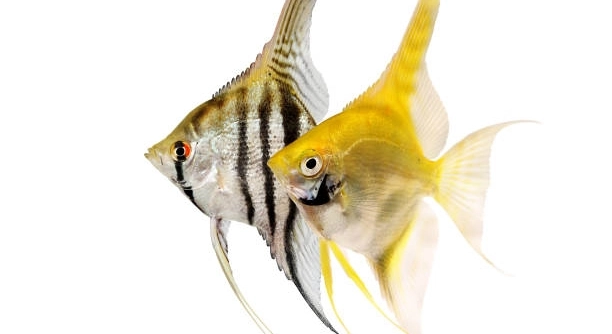
Are your angelfish acting restless or hiding more than usual after a tank upgrade or setup change? Small mistakes might be stressing them out.
The most common tank setup mistakes that stress angelfish include poor water conditions, incorrect tank size, strong currents, overcrowding, and inadequate hiding spaces. These stressors can lead to aggression, illness, and reduced lifespan in angelfish.
Spotting these issues early can help protect your angelfish and create a more peaceful, healthy aquarium environment.
Incorrect Tank Size
Angelfish need space to swim and grow. A common mistake is placing them in a tank that’s too small, especially when they are young and appear tiny. These fish grow quickly and become territorial as they mature. A cramped tank can cause stress, increased aggression, and even stunted growth. For a single pair of angelfish, a minimum of 20 gallons is necessary, but larger tanks—30 gallons or more—are more suitable, especially if other tank mates are present. Providing enough room helps reduce tension between fish and allows angelfish to display natural behaviors like exploring and nesting. A spacious environment leads to healthier fish with stronger immune systems. It also gives aquarists more control over water conditions, which tend to fluctuate more rapidly in smaller tanks. Choosing the right tank size from the start prevents the need for frequent upgrades and minimizes disruption for your angelfish.
A larger tank makes it easier to maintain stable water quality and reduces territorial aggression among angelfish.
Angelfish are tall-bodied fish that need both horizontal and vertical space. Avoid tanks that are long and shallow. Look for taller tanks that support their natural swimming patterns. This simple adjustment alone can make a significant difference in how relaxed your angelfish behave.
Strong Filtration Current
Fast-moving water creates unnecessary stress for angelfish. They come from slow-moving waters and prefer a gentle current.
Strong filters often push water too hard across the tank, forcing angelfish to constantly swim against the flow. This tires them out and interrupts normal activities like feeding and resting. Some may retreat to corners or hide behind plants, avoiding the flow entirely. In extreme cases, strong currents can damage fins or lead to injuries. If the filtration system cannot be adjusted, consider adding plants or decorations to block and redirect the flow. Sponge filters or adjustable-flow filters are also helpful alternatives. Watch how your angelfish swim—if they seem to struggle or are constantly being pushed around, it’s likely the current is too strong. Adjusting it allows them to swim calmly, explore their tank, and rest without being disturbed. Calm water also helps maintain their long fins in better shape and reduces their overall stress.
Overcrowding the Tank
Too many fish in the tank can make angelfish feel stressed and territorial. It limits swimming space, increases competition for food, and causes aggression. Overcrowding also raises waste levels, which affects water quality and overall health.
Angelfish prefer a peaceful environment with plenty of space between them and other tank mates. Overcrowding makes them more likely to fight, especially during breeding. You may notice chasing, nipped fins, or fish hiding constantly. This behavior signals they feel unsafe. When stocking your tank, consider the adult size of all fish, not just when they’re small. Limit the number of angelfish in one tank unless it’s large enough to support multiple pairs. Also, avoid keeping them with overly active or fin-nipping fish. Instead, choose calm, compatible tank mates and monitor behavior closely after introducing new additions.
Reducing the number of tank mates can immediately lower stress levels. It also improves water quality and reduces the risk of disease outbreaks. Each fish produces waste, and too many in a confined space overwhelm the filtration system. Stick to a balanced ratio of fish to water volume, and be cautious about impulse purchases that can disrupt the tank’s stability. A well-planned community tank makes it easier for angelfish to thrive.
Lack of Hiding Spaces
Angelfish need hiding spots to feel safe, especially when they’re startled or resting. Without them, they may become skittish, stressed, or aggressive. A lack of cover also leaves them exposed to stronger currents and territorial tank mates.
Adding vertical plants, driftwood, and rock structures gives angelfish places to retreat. These features create visual barriers, break up line of sight, and reduce conflict. Angelfish often use plants as resting spots or to mark territory during breeding. Use tall plants to match their body shape and provide full coverage from top to bottom. You don’t need to overcrowd the tank with decorations—just a few well-placed hiding spots make a difference. Avoid sharp decorations that could tear fins. Observing how your angelfish interact with the decor helps you make small changes that encourage better behavior. A secure angelfish is calmer, easier to feed, and less likely to lash out at others.
Poor Water Parameters
Angelfish are sensitive to unstable water conditions. Fluctuations in pH, ammonia spikes, or high nitrate levels can cause visible stress. Symptoms include clamped fins, loss of appetite, and sluggish movement. Regular testing and prompt adjustments help keep their environment stable and safe.
Keep pH between 6.5 and 7.5, with temperature around 78–82°F. Avoid sudden changes by doing gradual water changes and checking parameters weekly. Use a good-quality water conditioner and avoid overfeeding, which can foul the water quickly.
Inadequate Lighting
Angelfish need a regular light cycle to stay healthy. Bright, harsh lighting without shaded areas can make them nervous. Use soft lighting and plants to create a natural, calming effect in the tank.
Using the Wrong Substrate
Rough or overly light-colored substrate can reflect light and cause discomfort. A darker, smoother base is easier on their eyes and encourages more relaxed behavior.
FAQ
How do I know if my angelfish are stressed?
Stressed angelfish often show signs like clamped fins, loss of appetite, dull coloration, or hiding more than usual. Some may become more aggressive or stop interacting with other fish. Rapid breathing and darting movements are also common. If you notice sudden changes in behavior, it’s a sign something is off in the tank. Check water parameters, tank mates, and recent changes to identify the cause. Fixing small environmental issues quickly can help reverse stress before it leads to illness.
Can angelfish live alone or do they need tank mates?
Angelfish can live alone and often thrive when kept singly in the right conditions. However, many people keep them in pairs or groups. If keeping multiple angelfish, make sure the tank is large enough to prevent territorial disputes. Avoid placing them with fin-nipping fish or aggressive species. Peaceful community fish like corydoras or small tetras often work well. Always watch for signs of aggression, especially in smaller tanks. Each angelfish has its own temperament, so compatibility can vary.
How often should I clean my angelfish tank?
Partial water changes of 25–30% once a week help maintain good water quality. You should also vacuum the substrate during water changes to remove waste buildup. Clean the filter once a month, but avoid replacing all filter media at once to preserve beneficial bacteria. Glass walls can be wiped down as needed. Over-cleaning can disrupt the nitrogen cycle, so try to keep a balance. Monitor water parameters to know if your schedule needs adjustment based on stocking and feeding habits.
What’s the best temperature for angelfish?
Angelfish do best in warm water, ideally between 78°F and 82°F. Temperatures outside this range can slow down their metabolism or increase stress. Use a reliable aquarium heater and thermometer to keep the water stable. Avoid placing the tank near windows or vents where the temperature might fluctuate. If your home gets cold at night, consider using a heater with a thermostat to prevent dips. Sudden changes in temperature are more harmful than steady conditions slightly outside the preferred range.
Why are my angelfish fighting each other?
Angelfish are naturally territorial, especially when pairing off or protecting an area. Fighting may happen in crowded tanks or when space is limited. If one angelfish is constantly chasing others, it may be trying to establish dominance. Adding more hiding spots, plants, or visual barriers can help reduce tension. In some cases, separating aggressive individuals may be necessary. Avoid placing too many angelfish in one tank unless it’s large enough to allow for spaced territories and group dynamics.
Can lighting affect my angelfish’s behavior?
Yes, lighting plays a big role in how secure your angelfish feel. Bright or sudden lighting changes can stress them out. Use a timer to maintain a consistent light cycle of around 10–12 hours per day. Soft, diffused lighting works best, especially when combined with plants that provide shade. Avoid leaving the lights on all night, as angelfish also need rest periods in the dark. Too much light without hiding spaces can make them anxious and affect their feeding habits.
Should I feed angelfish more than once a day?
Feed adult angelfish once or twice a day with a mix of flakes, pellets, and occasional frozen or live foods. Offer only what they can eat in about two minutes to avoid overfeeding. Uneaten food decays quickly and can lower water quality. Young angelfish may need smaller meals more frequently. Varying their diet supports healthy growth, bright coloration, and strong immunity. Keep a feeding routine to prevent competition, especially in community tanks. Observation during feeding also helps you spot health problems early.
What’s the best way to introduce new fish to an angelfish tank?
Quarantine new fish for at least 2 weeks before adding them to the main tank. This helps prevent disease spread. When it’s time to introduce them, rearrange some decor to disrupt existing territories. Add the new fish with the lights off or dimmed to reduce aggression. Watch your angelfish closely after introduction. If aggression persists, separate the fish and try again later. Compatibility and space are key—avoid adding too many new fish at once, especially if the tank is small.
Final Thoughts
Keeping angelfish healthy starts with providing the right tank setup. Small details such as the tank size, water parameters, lighting, and decorations can all affect their comfort and behavior. These fish are sensitive to their surroundings and respond quickly to changes in their environment. If something is off, they may become withdrawn, aggressive, or stop eating. Avoiding common setup mistakes will help reduce their stress and keep them active and peaceful. It’s not just about creating a nice-looking tank—it’s about building a space where angelfish can live well and thrive.
Every angelfish has a slightly different personality, but all of them benefit from clean water, enough space, and a calm environment. Using the wrong substrate, placing them in a poorly cycled tank, or keeping them with incompatible tank mates can cause issues that are easy to avoid with proper planning. Even lighting and filter flow can make a difference. Regular maintenance, including water testing and partial water changes, supports long-term stability. Taking the time to understand their needs can prevent illness, stress, and behavior problems before they start.
Once your angelfish feel secure in their tank, they often display their best colors, form strong pair bonds, and show off their graceful swimming. Their care isn’t complicated, but it does require attention to the basics. Watching them move calmly through the water, interact with each other, and explore their surroundings is rewarding. Simple adjustments like using a larger tank or providing shaded areas with plants can go a long way. With consistency and care, your angelfish can live a healthy, low-stress life in a setup that suits them well.

Hello,
If you enjoy the content that we create, please consider saying a "Thank You!" by leaving a tip.
Every little bit helps us continue crafting quality advice that supports the health, happiness, and well-being of pets around the world, for pets of all shapes, sizes, and species.
We really appreciate the kindness and support that you show us!