
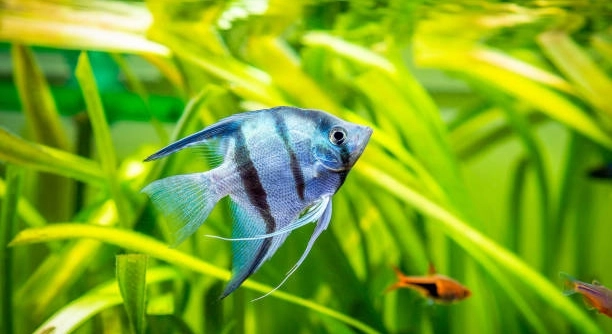
Angelfish are popular aquarium pets, admired for their beauty and intriguing behavior. Observing their actions can raise questions, especially when they seem to stare at the substrate for long periods.
Angelfish may stare at the substrate for various reasons such as seeking food, investigating the environment, or exhibiting natural behavior. The substrate serves as an area of interest, and this behavior is often harmless or part of their routine exploration.
Understanding these potential reasons can help you provide the best care for your angelfish. With these insights, you can ensure they stay healthy and happy in their tank environment.
Seeking Food or Nutrients
Angelfish are constantly on the lookout for food. If your angelfish is staring at the substrate, it might be investigating the sand or gravel to find any leftover food. This behavior is especially common after feeding time. Small bits of food can easily fall between the substrate, and the fish will search the area to see if there’s anything edible. Even if you don’t see food, tiny particles could be present, which the angelfish are trained to detect.
In some cases, angelfish are naturally inclined to forage. This behavior is linked to their instinct to search for food in the wild. Their eyes are drawn to any movement or specks that could be a potential meal. If you find your angelfish staring down often, it could simply be their way of checking for food.
It’s also worth noting that if your angelfish isn’t getting enough nutrients, it could exhibit this behavior more frequently. Inadequate feeding could lead to your fish becoming more focused on scouring the tank for any potential food source. If this becomes a regular habit, you may need to adjust the feeding schedule or amounts to ensure they’re getting proper nutrition.
Exploring the Tank Environment
Angelfish are curious creatures. They may stare at the substrate simply because they are exploring their surroundings. Fish have a natural inclination to investigate every part of their habitat, especially the areas they cannot easily reach or see.
This behavior could be more noticeable when angelfish are newly introduced to the tank. They need time to adjust to their environment, and staring at the substrate can be a sign of them getting to know their new space. They often look for hiding spots, potential territories, or anything unusual in the tank.
Angelfish tend to spend a significant amount of time near the bottom of the tank if they are in search of specific objects or hiding places. If the tank has a lot of plants, rocks, or decorations near the substrate, they might be investigating those elements. This can be a form of environmental exploration, and it’s a healthy part of their natural behavior. As the fish grow comfortable, this behavior might reduce. However, it’s a sign that they are actively exploring their surroundings and becoming more familiar with their habitat.
Looking for a Mate
Angelfish, like other species, can engage in staring behavior during mating season. They may focus on the substrate while trying to find a suitable place to lay eggs or look for a mate. If you have multiple angelfish in the tank, they might display this behavior as part of their courtship ritual.
When angelfish are ready to reproduce, they often seek out flat surfaces, such as the substrate, to lay their eggs. This process requires them to carefully inspect areas for the right conditions. Even if you don’t see the female angelfish actively laying eggs, the male might be watching and trying to decide where would be the best spot for egg-laying.
It’s important to provide the right environment for breeding. Clean, stable water and the right substrate can help encourage this behavior. While it’s not always easy to identify exactly when your angelfish will breed, watching their movements around the substrate can give you a clue about whether they’re in breeding mode or just exploring.
Stress or Discomfort
Angelfish may stare at the substrate due to stress or discomfort. Stress can arise from various factors like water quality, tank mates, or environmental changes.
When stressed, angelfish often exhibit behaviors like staring at the substrate as they try to find comfort or security. Poor water conditions, such as incorrect temperature or pH, can make your fish uneasy, causing them to become more focused on the bottom of the tank. Additionally, aggressive or larger tank mates could make your angelfish feel vulnerable, leading them to seek refuge near the substrate.
If you notice your angelfish staring at the substrate more than usual, it’s worth checking the tank conditions. Ensure the water is clean, stable, and within the correct parameters. Tankmates should also be compatible and not overly aggressive, which could contribute to the stress. In some cases, rearranging the tank or adding hiding spots can help reduce anxiety and make your angelfish feel more secure.
Examining the Substrate for Hiding Spots
Angelfish may stare at the substrate when searching for hiding spots. Substrate elements like rocks, plants, or decorations provide places to hide. This behavior can be especially common if the angelfish feels threatened or wants to rest in a safe area.
In a tank with numerous plants or décor, your angelfish might search for the best location to retreat to when they feel stressed or unsafe. This includes checking the substrate for any small gaps or crevices where they could hide. Even though the fish doesn’t physically interact with the substrate, staring helps them assess potential hideouts.
This behavior is often a response to environmental factors like new tank mates or changes in the tank. The angelfish could be checking the area regularly to evaluate the safety of their environment. Keeping the tank environment stable with plenty of hiding spots can help reduce stress and allow your angelfish to feel secure.
Investigating Potential Threats
Angelfish may also stare at the substrate to investigate possible threats. If they sense a potential danger, such as a new fish or a change in their environment, they will keep their focus on the area. The substrate could seem like a safe space to monitor any shifts in their surroundings.
When a new fish is introduced, your angelfish may become more cautious and aware of its surroundings. This vigilance can lead them to stare at the substrate, as they search for any signs of movement or potential threats. Their natural instinct is to stay alert and keep watch over the area.
While this behavior might seem subtle, it’s often a sign that your angelfish is in an observational state, trying to detect any changes in the tank. If you notice this behavior, check if there have been any new additions to the aquarium or changes in the setup. Adjustments can be made to reduce tension and ensure the angelfish feel safe in their space.
Assessing Tank Conditions
Angelfish may stare at the substrate when they’re assessing the conditions of their environment. This can be linked to water quality, temperature, or even the presence of algae. They instinctively check the substrate for any changes or abnormalities that might affect their habitat.
Changes in water chemistry or cleanliness can make the fish more alert. If the substrate looks different or is covered with algae, they might be examining it. It could also indicate that something in the water, such as contaminants or imbalance, is causing them to be more vigilant about their surroundings.
Regular maintenance of water conditions can help minimize this behavior. Angelfish thrive in stable environments, and the presence of algae or dirty substrate can make them uncomfortable. Ensuring proper filtration and periodic tank cleaning will reduce the need for your angelfish to constantly check the substrate.
Searching for Unwanted Debris
If your angelfish is staring at the substrate, it could be searching for debris or waste. Over time, uneaten food, fish waste, and organic material can settle at the bottom of the tank. Angelfish may investigate this as part of their cleaning behavior.
Some of the debris may seem harmless but can be harmful to the tank’s water quality. Staring at the substrate may be a sign that the angelfish is trying to clean up or check the bottom for waste that could affect the environment. Ensuring regular tank cleaning and checking for buildup in the substrate can help keep the tank healthier.
Social Behavior
Angelfish might also stare at the substrate as part of their social behavior. They often interact with one another by observing and reacting to each other’s movements. This could include eyeing the substrate for signs of territory or other angelfish activity.
In groups, angelfish may focus on certain areas of the substrate to maintain social dominance or engage in mating behavior. Their attention may be more focused on these spaces during interactions, and the substrate could act as a focal point for establishing social hierarchies. Watching for such signs can help you identify when your angelfish are communicating with each other.
FAQ
Why does my angelfish stare at the substrate so often?
Angelfish may stare at the substrate for various reasons, such as searching for food, investigating their surroundings, or seeking a safe place. This behavior can also be linked to natural curiosity or mating behavior. It’s common for them to focus on the bottom of the tank when exploring or looking for tiny food particles.
Could my angelfish be stressed from the tank conditions?
Yes, stress can cause angelfish to act more reserved and stare at the substrate. Poor water quality, temperature fluctuations, or aggressive tank mates are common stress factors. If the fish is stressed, it may spend more time near the substrate, avoiding areas that feel unsafe. Ensuring optimal tank conditions can reduce stress.
Can my angelfish be preparing to breed when staring at the substrate?
Yes, angelfish may stare at the substrate when they are preparing to lay eggs. They typically search for a smooth, flat surface to deposit their eggs. The substrate may be a focal point for them, especially if they’re assessing it for suitability. During breeding, this behavior can increase.
What signs should I look for to tell if my angelfish is stressed?
Stress in angelfish can present itself through abnormal behavior like erratic swimming, hiding, loss of appetite, or staying near the substrate. If your fish seems lethargic, constantly staying in one spot, or avoiding interaction with other tank mates, stress could be the cause. Checking the water parameters and tank setup can help alleviate this.
How can I tell if my angelfish is sick rather than just staring at the substrate?
While staring at the substrate is often harmless, if it’s paired with other signs like clamped fins, discoloration, or lack of movement, your angelfish may be sick. Other symptoms include floating abnormally, labored breathing, or loss of appetite. If you notice these signs, check water quality and consider seeking veterinary help.
Can the substrate be too dirty for my angelfish?
A dirty substrate can cause your angelfish to spend more time near it, either searching for food or reacting to poor conditions. Leftover food, organic debris, or waste can negatively impact water quality, making the fish uncomfortable. Regular cleaning of the substrate ensures a healthy environment for your angelfish.
Should I change the type of substrate in my tank to stop the staring behavior?
If your angelfish is frequently staring at the substrate, it might be uncomfortable with the type of substrate you have. Angelfish typically prefer soft sand or fine gravel. Coarse substrates may cause irritation or make the fish feel insecure. Consider switching to a smoother substrate if you notice discomfort or increased staring.
Why do angelfish stare at the substrate when they have plenty of food?
Even with plenty of food, angelfish may still stare at the substrate due to instinct or curiosity. They are foragers by nature and may focus on the bottom of the tank to check for any tiny particles they might have missed. It’s also possible that they are simply exploring their environment.
Can the presence of other fish make my angelfish stare at the substrate?
Yes, the presence of aggressive or larger fish can make angelfish more cautious. If other fish are dominating the upper or mid-water levels, your angelfish might retreat to the bottom of the tank, staring at the substrate to avoid confrontation. If aggression is an issue, consider adjusting the tank mates to reduce stress.
Is it possible my angelfish is just curious about the substrate?
Angelfish are naturally curious and may stare at the substrate to explore their surroundings. This behavior can be intensified if there are new objects, plants, or changes in the tank. It’s their way of investigating the environment and understanding the layout of their habitat. As long as it doesn’t come with other signs of distress, this curiosity is perfectly normal.
Does staring at the substrate indicate that my angelfish is looking for a hiding spot?
Yes, angelfish may stare at the substrate if they are looking for a hiding spot. If they feel threatened or stressed, they may seek out areas near the bottom of the tank where they feel safer. Substrate areas with rocks or plants can provide cover and make the fish feel more secure.
How can I make my angelfish more active and less focused on the substrate?
To encourage more active behavior in your angelfish, ensure the tank has plenty of plants and swimming space. Regular tank maintenance, including water changes and cleaning the substrate, helps reduce stress. Avoid overcrowding, as that can cause stress and make the fish more likely to retreat to the substrate. Also, avoid sudden changes in the tank setup.
Why is my angelfish staring at the substrate but not moving?
If your angelfish is staring at the substrate but not moving, it could be a sign of illness, stress, or simply resting. Angelfish sometimes stop and focus on the substrate as part of their behavior, but if this persists and is accompanied by other signs like clamped fins or lethargy, it may indicate a problem with the water conditions or health issues.
Should I worry if my angelfish stares at the substrate for long periods?
If your angelfish stares at the substrate for long periods, it’s not always a cause for concern. It could be natural behavior, especially if they are searching for food or investigating. However, if the behavior becomes excessive and is paired with other signs like loss of appetite or abnormal swimming, it’s worth checking water quality or tank conditions.
Final Thoughts
Angelfish staring at the substrate is often a normal behavior and can happen for several reasons. Whether they’re searching for food, looking for a hiding spot, or simply exploring their environment, it’s important to understand that this is a natural part of their behavior. They might also be assessing their surroundings to ensure they’re safe. If your angelfish is spending time near the substrate, it’s usually because they feel comfortable there, or it’s a space where they can relax. Keeping the tank clean and providing hiding spots can help reduce stress and keep them active.
However, if you notice that your angelfish is staring at the substrate for extended periods and showing other signs of distress, it’s essential to check their environment. Stress can arise from various factors, including poor water quality, tank mates, or changes in their habitat. Regular tank maintenance, such as checking water parameters, cleaning the substrate, and ensuring there are no aggressive fish, can help reduce stress and keep your angelfish healthy. If your angelfish seems unwell or shows a lack of movement, it may be time to evaluate their health and seek professional help if necessary.
In most cases, staring at the substrate is nothing to worry about, but it’s always good to be mindful of any changes in your fish’s behavior. By maintaining a stable and clean environment, you’ll create a comfortable space for your angelfish to thrive. Monitoring water quality, adjusting tank mates, and offering plenty of hiding spots are key factors in ensuring your fish feel safe and secure. If the behavior continues, or if you notice other concerning signs, don’t hesitate to adjust their environment or consult with a specialist.

Hello,
If you enjoy the content that we create, please consider saying a "Thank You!" by leaving a tip.
Every little bit helps us continue crafting quality advice that supports the health, happiness, and well-being of pets around the world, for pets of all shapes, sizes, and species.
We really appreciate the kindness and support that you show us!