
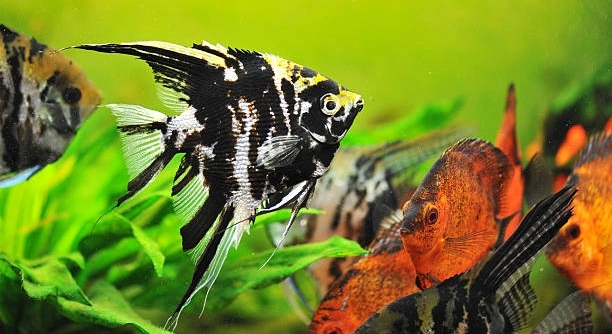
Keeping angelfish can be an enjoyable and relaxing hobby. However, maintaining their tank properly is crucial for their health and well-being. A functioning filter plays a key role in providing them with a clean, safe environment.
Your angelfish tank may need a new filter if you notice poor water quality, decreased filtration efficiency, or an increase in algae growth. A filter that isn’t working properly can lead to stress and health issues for your fish.
It’s important to recognize the signs of a filter in need of replacement. By taking action early, you can help ensure your fish remain happy and healthy. Let’s explore the top signs your filter needs attention.
Poor Water Quality
When the water in your angelfish tank starts to look cloudy or has an unpleasant odor, it’s a clear indication that something is off. A failing filter might not be cleaning the water as it should, leaving behind debris, waste, and other harmful substances. This can create an unhealthy environment for your fish. Proper filtration helps to remove excess nutrients, particles, and harmful bacteria. Without it, you risk problems like ammonia spikes and poor oxygen circulation, which can harm your angelfish. A simple test of water parameters like ammonia, nitrite, and nitrate levels can confirm if the filter is underperforming.
If the water quality doesn’t improve even after routine maintenance, your filter may not be up to the task. In this case, replacing it would be the best option.
While occasional cleaning and water changes are expected, a filter’s job is to handle the regular maintenance of the tank. If you notice water quality issues that won’t go away despite your efforts, it’s time to consider a new filter. A clean tank is essential for the long-term health of your angelfish.
Increased Algae Growth
Excess algae growth can be a sign of inadequate filtration.
Filters help control nutrient levels in the tank, which reduces algae bloom. When a filter isn’t functioning properly, these nutrients can build up, leading to an overgrowth of algae. This not only affects the aesthetic of the tank but also decreases the amount of oxygen available for your fish. As algae increases, it can even block the light your plants need to thrive.
Additionally, algae can harm angelfish by depleting oxygen levels and raising the tank’s overall temperature. If the algae situation is worsening despite regular cleaning, it’s time to evaluate the effectiveness of your filter. Keeping the filter running smoothly can help balance nutrient levels, providing a healthier and more comfortable environment for your fish and plants.
Decreased Water Flow
A filter that isn’t producing a strong water flow could mean it’s struggling to keep up with the tank’s needs. Angelfish need good water movement to simulate their natural environment and keep the tank clean. Reduced flow could be due to clogged filter media or a motor that’s starting to fail.
If the water flow seems weaker than usual, it’s worth checking the filter for debris or signs of wear. Sometimes, cleaning the filter can fix the issue. If the water flow doesn’t improve after cleaning, the filter might need replacing. Lack of adequate flow will not only affect the cleanliness of the water but also lead to stagnant areas where waste accumulates.
Proper water flow is necessary to maintain oxygen levels and prevent the buildup of toxins. If the filter’s performance has noticeably decreased, the water might not circulate enough to ensure the angelfish stay healthy. Over time, poor circulation can cause stress for the fish and promote algae growth, creating even more problems.
Filter Noise
Filters are generally quiet, so any strange noises are a red flag. When a filter starts making odd sounds, it could be an indicator that something is wrong inside, such as a broken impeller or a malfunctioning motor. This issue might not only affect the filter’s performance but can also disrupt the peaceful atmosphere of your tank.
If the filter suddenly becomes noisy, start by turning it off and checking for obstructions or parts that may need maintenance. If the noise persists after cleaning, it’s likely that the filter has suffered internal damage. A noisy filter can be a sign of trouble that might lead to complete failure if not addressed. A quiet, well-functioning filter ensures that your angelfish are in a stress-free environment.
A noisy filter often indicates internal parts that need replacing or a general decline in the unit’s effectiveness. If you notice that it’s becoming louder over time, you may want to replace the filter to avoid it completely failing at a critical time.
Filter Is Overdue for Replacement
If your filter is old and has been running for several years, it may no longer be as efficient as when it was new. Filters have a lifespan, and as they age, their performance tends to decline, leaving the tank more vulnerable to waste buildup.
Over time, filters can wear down, and their ability to clean the water diminishes. If your filter is several years old, even with regular cleaning, it may not be as effective at removing harmful particles and keeping the water quality in check. It’s a good idea to replace an aging filter before problems arise.
By upgrading to a new filter, you ensure better water quality and a healthier environment for your angelfish. A new filter will help remove waste more efficiently, improving oxygen levels and keeping your fish more comfortable.
Inconsistent Filtration
Inconsistent filtration could be caused by a clog, faulty parts, or improper setup.
When filtration becomes inconsistent, your tank’s water quality will fluctuate, leading to stress for your fish. This can happen if the filter is not running continuously or if the motor is unable to maintain a steady flow.
To resolve this, inspect the filter for blockages or wear. Regular maintenance should prevent most issues, but if the problem persists, it may be time to invest in a new filter. Consistent filtration is key to a stable and healthy tank.
Uneven Water Temperature
A malfunctioning filter can also lead to uneven water temperature, which is harmful to your fish.
Filters help with temperature regulation by promoting water movement. Without this, some areas of the tank might become too warm, while others remain cooler. Angelfish prefer a stable temperature, so temperature swings can cause stress, making them more vulnerable to disease. A new filter will help maintain an even temperature throughout the tank.
FAQ
How do I know if my filter is broken?
If your filter stops working altogether, it’s clear that something is wrong. However, even if it’s still running, poor performance could be a sign of issues. Look out for reduced water flow, strange noises, or if the water quality begins to worsen despite cleaning. If the filter is unable to clear debris, keep the water clean, or regulate temperature, it may be broken or at the end of its life. Sometimes, cleaning the filter or replacing a part like the impeller can fix minor issues, but if it’s not improving, it might be time to get a new one.
Can I clean the filter instead of replacing it?
Yes, you can clean your filter, and regular maintenance is important for extending its lifespan. However, if cleaning doesn’t restore proper filtration or if you notice signs of aging or damage, replacing the filter might be necessary. Some parts like the filter media or pump can wear out over time, making cleaning insufficient to restore full functionality. Always clean the filter according to the manufacturer’s instructions to avoid damaging the components.
What is the best filter for an angelfish tank?
The best filter for an angelfish tank should be gentle enough to not create strong currents that could stress them, yet powerful enough to keep the water clean. A canister filter or a hang-on-back filter often works well for medium to large tanks. Look for filters with adjustable flow rates, as angelfish prefer slow to moderate water movement. Be sure to choose a filter that is rated for the size of your tank to ensure proper filtration. It’s also important to check the filter’s media, as biological and mechanical filtration will benefit your fish by reducing harmful toxins.
How often should I replace my filter?
The replacement time for a filter depends on the type and usage. Generally, filters should be replaced every 1-3 years, but it depends on the specific model and how well it has been maintained. Even if the filter appears to be running fine, over time the internal parts can wear down. Be mindful of any changes in filtration performance or water quality, as these are good indicators that the filter may need replacing.
Can I use a filter that is too strong for my tank?
While it’s important to have a filter that can handle the size of your tank, using one that’s too powerful can stress your angelfish. A filter with too much flow can create strong currents that are difficult for your fish to navigate. Angelfish prefer slow-moving water, so it’s best to choose a filter with an adjustable flow setting or one designed for gentle filtration. Too much water movement can cause stress, especially for smaller fish like angelfish.
What happens if I don’t replace my filter?
If you neglect to replace a failing filter, the water quality in your tank will deteriorate. Poor filtration leads to a buildup of waste and toxins, which can stress your fish, make them more susceptible to diseases, and cause algae problems. Over time, the filter will be unable to maintain clean and oxygenated water, which can result in the death of your angelfish. Regularly replacing your filter ensures a healthy environment for your fish to thrive in.
How do I maintain my filter to extend its life?
Regular maintenance is key to keeping your filter in good working condition. Clean the filter every 2-4 weeks by removing debris and rinsing the filter media in tank water (to avoid killing beneficial bacteria). Check for any signs of wear, like cracks or leaks, and replace worn-out parts, such as the impeller or filter media. Also, ensure the filter is sized appropriately for your tank and that it’s running efficiently. Keeping the filter well-maintained will help it last longer and ensure optimal performance.
Why does my filter make noise?
If your filter is making noise, it could be due to several reasons. It might have debris stuck in the impeller or a loose part causing vibrations. Sometimes, air bubbles or a dry motor can also create noise. Check the filter for obstructions and clean it thoroughly. If the noise continues, it may indicate that a part is malfunctioning or that the filter needs to be replaced. Persistent noise can be a sign that the filter is working harder than it should be, which could eventually lead to failure.
How can I test the water quality in my tank?
Testing the water quality in your tank is essential to ensure your filter is working properly. You can buy water testing kits that measure levels of ammonia, nitrites, nitrates, and pH. Ammonia and nitrites should always be at zero, while nitrates should be kept under control. If you notice elevated levels of these compounds, it’s a sign that your filter is not doing its job. Regular testing helps you monitor the effectiveness of your filter and identify any issues early.
Can a filter help with my tank’s temperature?
Filters can assist with temperature regulation by promoting water circulation, which ensures an even distribution of heat. However, filters are not designed to control the temperature directly. To maintain a stable temperature in your tank, you should use a reliable aquarium heater. The filter will help keep the water moving, preventing hot or cold spots from forming in the tank, but it’s the heater that will regulate the actual temperature.
Do I need to replace the filter every time I change the water?
No, you don’t need to replace the filter every time you change the water. Regular water changes and filter cleaning are important for maintaining water quality, but the filter itself can last much longer. Replace the filter only when it shows signs of poor performance or damage. Cleaning the filter with water changes will help it last longer and continue to function effectively.
How long can an angelfish live in a tank without a filter?
While it’s not ideal, angelfish can survive for a short period without a filter, provided you maintain excellent water quality through frequent water changes. A filter is essential for removing waste and maintaining stable conditions. Without one, waste will build up quickly, and oxygen levels will drop, making the tank unhealthy for your angelfish. It’s always best to have a working filter to support their health and well-being.
Final Thoughts
Maintaining a clean and healthy environment for your angelfish is crucial to their well-being. One of the most important factors in keeping their tank in top condition is ensuring the filter is functioning properly. A good filter helps maintain water quality by removing waste, controlling harmful chemicals, and promoting good water circulation. Without proper filtration, your angelfish can experience stress, illness, and even premature death. So, knowing when your filter is no longer performing at its best is key to providing a healthy home for your fish.
If you notice any signs such as poor water quality, decreased flow, or strange noises, it might be time to replace or repair your filter. Regular cleaning and maintenance can extend the life of the filter, but even the best filters eventually wear out. Keeping an eye on your filter’s performance and checking for signs of deterioration will help you act before any major issues arise. As filters age, their efficiency drops, and replacing them when needed ensures that your tank stays clean and your angelfish remain healthy.
Ultimately, the right filter makes a big difference in the overall health of your tank. It’s not just about keeping the water clear but also about providing the right conditions for your fish to thrive. A filter that’s too weak or broken can cause a range of problems, from algae growth to poor oxygen levels. Replacing or upgrading your filter when necessary can save you a lot of trouble in the long run. By staying aware of these signs and taking action promptly, you can keep your angelfish in a safe, clean, and comfortable environment.

Hello,
If you enjoy the content that we create, please consider saying a "Thank You!" by leaving a tip.
Every little bit helps us continue crafting quality advice that supports the health, happiness, and well-being of pets around the world, for pets of all shapes, sizes, and species.
We really appreciate the kindness and support that you show us!