
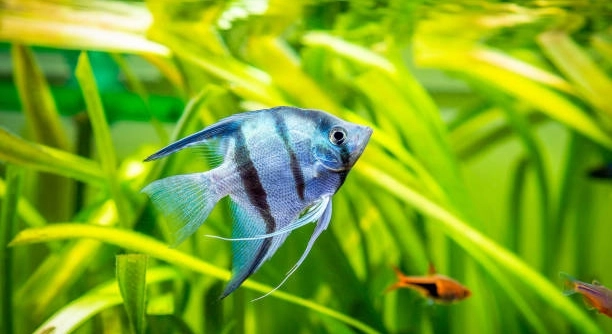
Keeping angelfish in a peaceful community tank can be a rewarding experience. However, ensuring harmony among different fish species can be tricky. It’s important to take a few steps to create a calm environment for everyone.
Maintaining a peaceful angelfish community tank requires careful planning. Choose compatible species, monitor water parameters, provide hiding spots, and avoid overcrowding. Regularly check for aggression and adjust the setup to reduce stress and promote peaceful coexistence.
A well-maintained tank ensures a thriving environment for your angelfish and other fish. By following these simple tips, you can enjoy a serene and beautiful aquatic space.
Choosing the Right Tankmates for Angelfish
When setting up a peaceful angelfish community tank, selecting the right tankmates is essential. Angelfish are known for their semi-aggressive nature, and pairing them with the wrong species can lead to constant stress and aggression. Ideal companions include peaceful species like tetras, rasboras, and gouramis, which don’t pose a threat to the angelfish. Avoid aggressive or fin-nipping species, as these can provoke territorial behavior. It’s also important to consider the size of your tank. Overcrowding can trigger territorial disputes and aggression, making it more difficult to maintain harmony.
The size of the tank should be sufficient to allow each fish to have its space. A 30-gallon tank is a good starting point for a small community setup, and larger tanks are even better. Ensure the tankmates you choose have similar care requirements to the angelfish in terms of temperature, pH, and water hardness.
A peaceful community tank is all about balance. By carefully selecting compatible species and maintaining proper tank conditions, you can help prevent conflicts and keep your angelfish content. Watch for any signs of aggression early on and be ready to adjust the setup if necessary.
Maintaining Proper Water Conditions
Water quality is critical for a peaceful angelfish community. Keeping the water clean and stable helps reduce stress for all the fish in the tank. Regular water changes, at least 25% every two weeks, will help maintain ideal conditions. It’s also important to check the water parameters frequently, such as pH levels, temperature, and ammonia, nitrite, and nitrate levels.
Angelfish thrive in slightly acidic to neutral water, with temperatures between 75°F and 82°F. A stable environment is crucial, as fluctuations can cause stress and aggression. Use a reliable water testing kit to monitor water conditions consistently. A good filtration system is also essential, ensuring that the water stays clean without creating too much current, which can stress your fish.
Maintaining good water quality prevents many common issues and ensures that your angelfish community thrives. Keep up with regular maintenance, monitor your tankmates, and make any adjustments necessary to keep everything in balance. A well-maintained tank is key to creating a peaceful environment.
Providing Hiding Spots and Territory
Angelfish, like most fish, appreciate having places to hide when they feel threatened. Providing hiding spots can help reduce stress and prevent territorial behavior. Use plants, rocks, and decorations to create areas where your fish can retreat when needed. This not only keeps your fish calm but also encourages natural behavior.
Angelfish can become territorial, especially when breeding or feeling stressed. By offering plenty of hiding spots, you allow them to establish their own territories while reducing the chance of conflict. Use driftwood or tall plants to break up sight lines and give your fish more space to claim.
In a community tank, it’s important to make sure each fish has a safe space to go. This helps prevent overcrowding in any one area and reduces aggression. A well-planted tank with multiple hiding spots can go a long way in keeping your angelfish peaceful.
Monitoring for Aggression
Even with the best tank setup, aggression can still occur among angelfish. It’s essential to regularly observe their behavior, especially during feeding times. Aggression can often be subtle, like chasing or fin nipping, so be sure to keep a close eye on your fish.
If you notice aggressive behavior, remove the instigator or rearrange the tank to reduce territorial disputes. In some cases, adding more hiding spots can ease tension. You may need to separate overly aggressive fish into a separate tank to prevent stress from escalating.
Sometimes, aggression can result from environmental factors, such as poor water quality or overcrowding. Keeping the water clean and ensuring the fish have enough space can help minimize conflict. Monitor their behavior consistently to ensure peace remains in your community tank.
Avoiding Overcrowding
Overcrowding can quickly lead to aggression and stress in an angelfish community. Make sure your tank has enough space for each fish to thrive. A 30-gallon tank is a good starting point for a few angelfish and their tankmates.
When determining stocking levels, consider the adult size of each species. Too many fish in a small tank will lead to territorial disputes and poor water quality. Providing ample space for swimming and hiding reduces stress and improves overall health. Avoid the temptation to add too many fish at once.
Overcrowding can also affect water quality. With too many fish, waste builds up quickly, leading to higher levels of toxins. Regular maintenance, including water changes and filtration, is necessary to keep the environment healthy.
Feeding Properly
Feeding your angelfish the right amount is crucial to their well-being and maintaining a peaceful tank. Overfeeding can cause water quality issues and encourage aggressive behavior. Aim to feed small portions once or twice a day.
Use high-quality, varied food for your angelfish, including flakes, pellets, and occasional live food. Ensure that the food is appropriate for their size and nutritional needs. This helps prevent competition and ensures all fish get their share of food. Excess food left uneaten in the tank will decay, negatively affecting water quality.
Maintaining Stable Temperature
Angelfish thrive in stable, warm temperatures. Sudden temperature fluctuations can stress them out, leading to aggressive behavior. Keep your tank between 75°F and 82°F for the best results.
Install a reliable heater and thermometer to maintain consistent warmth. Avoid placing the tank in direct sunlight or near drafts, as this can cause temperature changes that stress the fish.
FAQ
How do I prevent angelfish from fighting with each other?
Angelfish can be territorial, and some may become aggressive toward other fish of the same species. To prevent fighting, provide enough space and hiding spots. Avoid overcrowding, and make sure your tankmates are peaceful species. If aggression occurs, rearrange the tank or separate the aggressive fish.
Can angelfish live with other fish?
Yes, angelfish can live with other fish, but it’s important to choose compatible species. Tetras, rasboras, and peaceful gouramis are great tankmates. Avoid aggressive fish or fin-nippers, as they can provoke angelfish. Always observe your fish for signs of stress or aggression, and make adjustments as needed.
How many angelfish can I keep in a 30-gallon tank?
A 30-gallon tank can comfortably house 2-3 angelfish. However, the number of fish should also depend on the size of the other tankmates and the overall setup. Make sure there’s enough space for each fish to claim its territory and swim freely.
Do angelfish need a filter?
Yes, angelfish need a filter to maintain water quality. A good filtration system will help remove waste, excess food, and toxins from the water. It’s essential to maintain a clean environment for your fish, but be sure to use a filter that doesn’t create strong currents, as angelfish prefer calm water.
What do angelfish eat?
Angelfish are omnivores and require a varied diet. They will eat flake food, pellets, and occasionally live or frozen foods like bloodworms or brine shrimp. Feed them small portions once or twice a day. Be cautious not to overfeed, as leftover food can degrade water quality.
How do I breed angelfish?
To breed angelfish, you’ll need to create a suitable breeding environment. Provide a clean tank with gentle filtration and stable water conditions. Angelfish typically lay eggs on flat surfaces, like leaves or rocks. Once fertilized, the parents will guard the eggs and care for the fry. A separate breeding tank is ideal to prevent the other fish from eating the eggs.
Why are my angelfish hiding all the time?
Angelfish may hide when they feel stressed or threatened. Check the tank for any signs of aggression, sudden temperature changes, or poor water quality. Adding more hiding spots and reducing the number of tankmates can help. If the hiding persists, consider isolating the stressed fish temporarily to determine the cause.
How often should I change the water in an angelfish tank?
Water changes are essential for maintaining good water quality. Change 25-30% of the water every 2-3 weeks, depending on your tank size and stocking level. If you have a heavily stocked tank or high waste levels, more frequent water changes may be necessary to keep the water clean and stable.
How do I know if my angelfish is stressed?
Stressed angelfish may exhibit behaviors such as hiding, excessive swimming, clamped fins, or aggression toward other fish. Poor water quality, overcrowding, and incompatible tankmates are common stressors. Regularly monitor your tank conditions and fish behavior to identify and address any issues early.
Do angelfish need to be in pairs?
Angelfish do not need to be in pairs, but they do enjoy having company. Keeping a single angelfish with other peaceful tankmates can work well. However, if you want to breed them, keeping a male and female together is necessary. Just be prepared for territorial behavior during breeding times.
Can angelfish live in cold water?
Angelfish are tropical fish and require warm water to thrive. They should be kept in temperatures between 75°F and 82°F. Cold water can cause stress and weaken their immune system, making them more vulnerable to disease. Always use a heater to maintain a stable temperature.
What is the lifespan of angelfish?
Angelfish typically live for 10 years or longer when kept in optimal conditions. Proper care, including good water quality, a balanced diet, and compatible tankmates, can help extend their lifespan. Some angelfish may live even longer, especially when housed in large, well-maintained tanks.
Do angelfish need to be in schools?
Angelfish are not schooling fish, so they do not need to be kept in groups. However, they do enjoy having companions, and keeping more than one can reduce stress. If you keep multiple angelfish, be sure to provide enough space and hiding spots to avoid territorial disputes.
How do I stop angelfish from eating their fry?
Angelfish can eat their fry, especially if they feel stressed or threatened. To prevent this, you can separate the parents from the fry once the eggs hatch. Some aquarists use breeding boxes or separate tanks to protect the young. Provide plenty of hiding spots for the fry to hide from their parents.
Why are my angelfish swimming near the surface?
Angelfish swimming near the surface may indicate a water quality issue, such as low oxygen levels or high ammonia. Check your water parameters and ensure proper filtration. Poor water conditions can cause stress and health problems for your fish. If the problem persists, consider increasing aeration or improving filtration.
Can angelfish live with bettas?
Angelfish and bettas may not be the best tankmates due to their aggressive tendencies. Bettas, especially males, are known for their territorial behavior and may pick fights with angelfish. While it is possible to house them together, it requires careful monitoring and ample space to reduce the risk of conflict.
Final Thoughts
Creating a peaceful angelfish community tank requires careful planning and attention to detail. By providing enough space, keeping water quality stable, and choosing compatible tankmates, you can ensure that your angelfish thrive in a harmonious environment. It’s important to remember that angelfish are territorial and may exhibit aggressive behavior, especially during breeding. Therefore, understanding their needs and natural behaviors will help in preventing conflicts and stress.
Maintaining the right conditions for your angelfish involves regular maintenance, including water changes, proper filtration, and monitoring the temperature. Overcrowding, poor water quality, and lack of hiding spaces can lead to aggression and health issues. Angelfish need a balanced diet, and overfeeding should be avoided to prevent water quality problems. A peaceful community tank starts with the right setup, so make sure to plan for their space requirements and environmental needs carefully.
By following these basic guidelines, you can create a healthy and peaceful environment for your angelfish. Regular observation of their behavior will help you spot any potential issues early, such as aggression or stress. If any problems arise, address them promptly to keep your tank peaceful and your fish happy. When you take the time to care for their needs, your angelfish will reward you with years of beauty and peaceful behavior in the tank.

Hello,
If you enjoy the content that we create, please consider saying a "Thank You!" by leaving a tip.
Every little bit helps us continue crafting quality advice that supports the health, happiness, and well-being of pets around the world, for pets of all shapes, sizes, and species.
We really appreciate the kindness and support that you show us!