
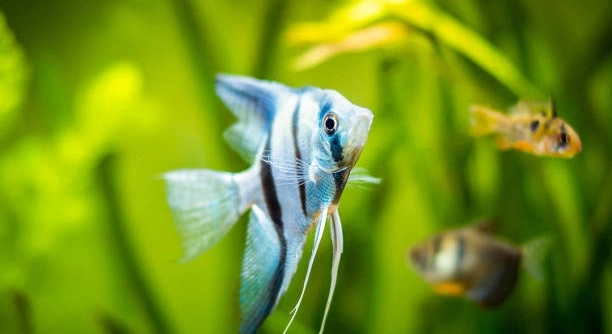
Is your angelfish acting strangely peaceful lately, showing little interest in guarding its space or confronting tankmates like it used to? This behavior can leave many aquarium keepers feeling unsure about what’s causing the sudden change.
Angelfish may stop defending their territory due to environmental stress, illness, lack of breeding motivation, or changes in tank dynamics. These behavioral shifts are often a response to specific triggers that impact the fish’s natural instincts and routines.
Understanding the underlying cause can help you create a better environment and ensure your angelfish stays healthy and balanced in its space.
Lack of Breeding Motivation
Angelfish become more territorial when they are preparing to breed or are actively guarding eggs or fry. Without these triggers, their drive to defend a particular area in the tank often weakens. If your angelfish isn’t showing any signs of courtship or egg-laying behavior, it may simply not be in breeding mode. This is normal and often tied to age, water conditions, or even the absence of a compatible mate. You might also notice that their color intensity fades slightly and they move more slowly through the tank, lacking the alertness typical of protective behavior. If breeding isn’t their focus, territorial behavior tends to decrease. Making subtle changes to lighting, diet, or tank mates can encourage breeding instincts, but it’s not always necessary unless you’re specifically trying to breed them. A peaceful angelfish doesn’t always mean something is wrong—it could just mean things are calm in their environment.
A neutral tank with no breeding activity tends to calm most territorial instincts in angelfish, especially in well-fed and comfortable fish.
Watch for changes in behavior after new fish are added or removed. Tank dynamics can quickly affect how an angelfish acts, even if breeding isn’t involved.
Stress from Tank Conditions
Stress often causes angelfish to withdraw rather than defend. Even small shifts in temperature, pH levels, or water cleanliness can have an impact.
Unstable tank conditions can disrupt an angelfish’s natural instincts, including its tendency to protect territory. If the water is too cold, too warm, or fluctuates often, the fish may feel uncomfortable or even unsafe. Poor water quality, such as high ammonia or nitrite levels, also reduces energy and causes stress. A stressed angelfish might stop swimming actively, lose interest in food, and isolate itself instead of displaying dominant or territorial behavior. Overcrowding and aggressive tank mates add to the stress, especially in smaller aquariums. When there’s constant disruption or competition, angelfish tend to stay quiet and avoid confrontation altogether. This kind of stress can also lead to illness, making the fish even less active. Keeping a consistent tank environment with regular maintenance helps angelfish feel secure, which can restore their usual behavior over time.
Tank Mate Behavior Changes
If tank mates have become more passive or aggressive, your angelfish may adjust its behavior in response. A lack of threats or overstimulation can lead to reduced territorial displays and more withdrawn or peaceful movement around the tank.
Aggressive tank mates might force your angelfish into a more submissive role, especially if space is limited. In contrast, if other fish are passive and don’t challenge territory boundaries, your angelfish might not feel the need to guard anything. The overall tone of the tank heavily affects how angelfish interact with others. Even subtle changes in other fishes’ swimming patterns, hiding habits, or feeding behaviors can affect how your angelfish perceives its territory. You may notice it spending more time in one area, avoiding conflict, or swimming casually without showing any strong claim over space. These signs usually reflect that the angelfish doesn’t feel the need to assert dominance.
Angelfish are surprisingly responsive to the energy of the tank. If everything feels calm, they can go weeks without displaying territorial aggression. But once another fish starts crowding or challenging boundaries, their defensive nature returns. Sometimes, it takes just one new tank mate to shift everything. Watching how each fish behaves will tell you a lot.
Health or Physical Weakness
When angelfish are unwell, they conserve energy and avoid conflict. Illness, internal parasites, or old injuries may weaken their instinct to guard space and change how they move through the tank each day.
Sluggish swimming, color loss, hiding, and lack of appetite are signs something may be wrong physically. Territorial behavior requires energy and alertness, both of which drop off when angelfish aren’t feeling well. Even a subtle infection or imbalance can lead to a noticeable change in behavior. Some angelfish may also stop defending their space due to aging or past trauma that’s not visible. If you notice consistent lethargy, it’s a good idea to check the water conditions and look for other symptoms. They may be ignoring territory because they simply don’t feel strong enough to care. Regular tank checkups, a balanced diet, and keeping a stress-free environment help bring back their energy—and possibly, their territorial edge.
Rearranged Tank Layout
Changing the tank layout can confuse your angelfish and cause it to stop recognizing its usual territory. New decorations, plants, or rock placements can make it feel like it’s in unfamiliar surroundings.
When the tank is rearranged, angelfish may take time to reestablish boundaries. This pause can look like a loss of territorial behavior.
Personality Differences
Not all angelfish behave the same way. Some are naturally more laid-back and less territorial than others, even in identical tank setups. If your angelfish has always been calmer or slower to react, it could simply have a gentler temperament. These personality differences are normal and often become more noticeable as the fish matures. While one angelfish might aggressively chase off others from its spot, another might prefer to coexist peacefully. This is especially common in angelfish raised in community tanks or with minimal conflict. The absence of aggression isn’t always a problem—it could just be part of who your fish is.
Recent Relocation or Transfer
Relocating an angelfish to a new tank or moving tank mates around can unsettle its behavior. It may take time before your fish feels confident enough to guard territory again.
FAQ
Why is my angelfish not defending its territory?
There are several reasons why an angelfish might stop defending its territory. It could be due to a lack of breeding motivation, stress from tank conditions, illness, or changes in tank dynamics. A calm and peaceful environment might make your angelfish feel safe enough to not need to defend space. Additionally, if it is feeling unwell or stressed from poor water conditions, it might avoid exerting energy on protecting its territory.
How can I encourage my angelfish to be more territorial?
To encourage territorial behavior, ensure that the tank is in optimal condition with stable water parameters. If breeding is a goal, consider introducing a mate or increasing the lighting to simulate breeding conditions. Adding some obstacles like plants or rocks might help your angelfish feel that it has space to claim. However, avoid overcrowding the tank, as this could lead to more stress and prevent the angelfish from claiming its territory.
Can other fish affect my angelfish’s territorial behavior?
Yes, tank mates can play a significant role in your angelfish’s behavior. Aggressive tank mates might force your angelfish to retreat, while peaceful or non-threatening fish might cause it to relax and not defend its space. It’s essential to monitor how other fish behave, as any change in behavior can influence how your angelfish reacts.
How can I tell if my angelfish is stressed?
Signs of stress in angelfish include faded colors, erratic swimming patterns, lack of appetite, hiding for extended periods, and rapid gill movement. Stress can be caused by poor water quality, overcrowding, aggressive tank mates, or sudden changes in the environment. Keeping the tank environment stable and calm will help reduce stress levels in your fish.
What if my angelfish just isn’t defending its space?
If your angelfish is not defending its territory and doesn’t show any signs of stress or illness, it may simply have a laid-back personality. Some angelfish are naturally less territorial than others. If the fish is healthy and active in other ways, it might just not feel the need to defend an area.
Is it okay if my angelfish isn’t territorial?
Yes, it’s perfectly fine if your angelfish isn’t displaying territorial behavior, as long as it is healthy and showing other signs of well-being. Some angelfish are naturally more peaceful and less inclined to be territorial. If the tank conditions are good and the fish is not stressed or sick, there is no need to worry.
Can I fix a non-territorial angelfish with changes in the tank?
Yes, certain changes in the tank setup can encourage your angelfish to become more territorial. Adding plants, rocks, or decorations can give your angelfish areas to claim. Also, ensuring that the tank is not overcrowded or too stressful will help. If breeding is your goal, consider introducing a mate and adjusting lighting to simulate breeding conditions.
How long does it take for angelfish to defend their territory again?
It may take anywhere from a few days to a few weeks for an angelfish to reestablish its territory. This process is influenced by tank conditions, the presence of potential mates, and how much stress the fish is experiencing. If the fish is healthy and the environment is right, it should begin showing territorial behavior sooner rather than later.
Can an angelfish’s age affect its territorial behavior?
Yes, as angelfish age, their territorial behavior may change. Younger angelfish are more likely to show territorial instincts, especially during breeding. However, as they get older, they may become more peaceful and less focused on defending space. Older angelfish might prefer a more relaxed environment without the need to fight for territory.
Should I be concerned if my angelfish isn’t showing any territorial behavior?
Not necessarily. If your angelfish is healthy, eating well, and interacting with other fish normally, there’s no reason to worry. Angelfish can go through periods of being less territorial, especially if the tank environment is calm and peaceful. As long as there are no signs of illness or stress, a lack of territorial behavior isn’t usually a concern.
What role does water quality play in territorial behavior?
Water quality plays a crucial role in territorial behavior. Poor water conditions, such as high levels of ammonia, nitrites, or low oxygen, can stress angelfish, causing them to withdraw or become passive. Maintaining clean, stable water with proper filtration and regular water changes can prevent this. A good water environment supports healthy, active fish that are more likely to display normal territorial behavior.
Final Thoughts
Angelfish can sometimes stop defending their territory for various reasons, and it’s essential to consider all factors affecting their behavior. It could be a response to stress, illness, changes in the tank setup, or even personality differences. Understanding your fish’s needs and the environment it lives in is crucial. When the tank conditions are right, angelfish are more likely to exhibit natural territorial behaviors. Ensuring a stable and calm environment helps create the best setting for your fish to thrive.
If your angelfish isn’t defending its territory, don’t panic immediately. It could just be a sign that everything in the tank is calm, and your fish feels safe. Other times, it could indicate health issues or a need for changes in the tank setup. Regular water changes, proper filtration, and a balanced diet are essential to maintaining your fish’s well-being. Even small changes, such as rearranging the tank layout, can make a big difference in how your angelfish reacts to its space.
Remember, angelfish are individuals, and their behavior will vary. Some may always be more peaceful, while others might be more territorial. The key is to observe and ensure they are healthy, happy, and comfortable in their environment. If territorial behavior isn’t a major concern, it’s still important to monitor their overall health and well-being. By keeping a close eye on your fish and making necessary adjustments, you can create a thriving and harmonious tank for your angelfish and its tankmates.

Hello,
If you enjoy the content that we create, please consider saying a "Thank You!" by leaving a tip.
Every little bit helps us continue crafting quality advice that supports the health, happiness, and well-being of pets around the world, for pets of all shapes, sizes, and species.
We really appreciate the kindness and support that you show us!