
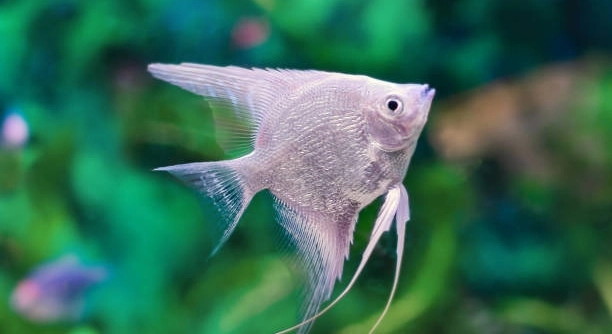
Angelfish are known for their striking appearance and curious behavior. If you’ve noticed your angelfish staring at its reflection, it may be more than just a quirky habit. This behavior is common and can have several explanations.
The main reason your angelfish stares at its reflection is territorial behavior. Angelfish may mistake their reflection for another fish and act defensively. This can lead to repeated staring or aggression towards the reflection, which is often seen in their natural habitat.
Understanding this behavior can help create a more peaceful environment for your angelfish. Exploring the causes behind this can offer better insight into your fish’s needs.
Territorial Instincts
When angelfish stare at their reflection, it’s often a display of territorial instincts. These fish are naturally protective of their space and may see their reflection as an intruder. This can lead to behaviors like puffing up, flaring their fins, or even chasing the reflection. In nature, angelfish defend their territory against other fish, and this instinct translates into aquarium settings. The reflection acts as a perceived threat, leading to repeated staring or aggression.
It’s important to note that this behavior is typical for angelfish, especially in confined spaces. The fish may not realize that the other “fish” it sees is just a mirror image.
If your angelfish is consistently staring at its reflection, it could be a sign that the tank is too small or lacks enough hiding spots. The more secure and comfortable your fish feels, the less likely it will be to engage in this behavior. Adding decorations or plants can create safe spaces for the fish, reducing the perceived threat. Furthermore, angelfish are sensitive to changes in their environment. A sudden shift in the layout of their tank could trigger increased staring, as they become uncertain of the new setup.
Stress and Anxiety
Stress from constant reflection exposure can also make your angelfish more prone to staring. The fish might feel threatened by the reflection and act defensively. This can lead to higher stress levels, which can impact the angelfish’s overall health. The more stressed your fish is, the more it may focus on the reflection.
Providing a stress-free environment with proper tank conditions, like water quality and temperature, can help reduce this issue.
Aggression and Competition
Angelfish are territorial creatures and may view their reflection as a rival. This can trigger aggressive behavior, such as fin flaring, rapid swimming, or even attacking the glass. In the wild, these behaviors are used to defend their space against competitors. In your aquarium, the reflection acts as an unintentional challenger.
If aggression is constant, consider separating the fish from its reflection by placing a background on the tank glass. Dark backgrounds can minimize the fish’s interaction with its reflection, making the tank feel more secure. This simple change can help prevent unnecessary stress and aggression.
Another way to reduce aggression is by ensuring that the tank is large enough. Overcrowding can increase territorial disputes, not only with reflections but also with other fish. A well-planned tank setup with plenty of space for each fish will reduce competition and allow your angelfish to settle into a more peaceful state. Keeping the aquarium well-maintained and monitoring water quality is essential for overall fish health.
Curiosity
Angelfish are naturally curious, and staring at their reflection may simply be a result of exploration. They often inspect their surroundings, including potential “neighbors” they spot in the mirror. This curiosity is an important aspect of their behavior and may not always be linked to aggression or territorial instincts.
It’s not uncommon for angelfish to become fixated on what they believe is another fish. Over time, they may grow accustomed to the reflection and lose interest. However, during periods of heightened curiosity or change in the tank, this behavior might increase. Observing their surroundings and their own reflection can be an entertaining display.
Mating Behavior
Staring at a reflection can be a sign that your angelfish is preparing for mating. Angelfish are known to be quite territorial during breeding, and they may mistake their reflection for a potential mate. This can cause them to engage in courtship behaviors, such as cleaning a surface or displaying their fins.
If the fish is repeatedly staring at the reflection, it could indicate a strong desire to breed. However, since there is no real mate, the angelfish may show frustration. During the breeding season, it’s important to monitor the tank carefully to avoid stressing the fish too much.
Adding more hiding spaces or rearranging the tank can provide your angelfish with more comfort during breeding. By offering more space and reducing competition, you can help keep the fish calm, while allowing them to focus on natural behaviors rather than engaging with their reflection.
Health Issues
Angelfish may also stare at their reflection due to underlying health issues. If they feel unwell, they may focus on the mirror out of stress or confusion. This is not a common reason, but it’s worth monitoring if the behavior persists.
Pay attention to any changes in appetite, swimming patterns, or overall appearance. If other symptoms appear, it may be necessary to consult an aquatic vet.
FAQ
Why does my angelfish keep staring at its reflection?
Angelfish often stare at their reflection because they mistake it for another fish. This is primarily a territorial behavior. They may view the reflection as a rival, prompting them to defend their space. It’s also possible they are simply curious or exploring their environment. Regardless of the reason, it is common for them to fixate on their own image, especially in smaller tanks.
Is it bad if my angelfish stares at its reflection?
Generally, it’s not harmful if your angelfish stares at its reflection for short periods. However, if this behavior becomes excessive, it could indicate stress or frustration. Prolonged staring at a reflection may lead to aggression, especially if the fish is unable to interact with a real mate or competitor. This can increase the chances of physical stress or impact their overall health.
How can I stop my angelfish from staring at its reflection?
To stop your angelfish from staring at its reflection, consider adding a background to the tank. A dark background reduces the visibility of the reflection, helping to minimize territorial aggression. You can also add more plants, decorations, and hiding spaces to make the fish feel more secure and reduce the urge to defend territory.
Does the size of the tank affect how much my angelfish stares at its reflection?
Yes, the size of the tank plays a significant role in how much your angelfish interacts with its reflection. In smaller tanks, the fish may feel more confined, increasing the chances of territorial behavior. A larger tank provides more space, reducing the likelihood that the fish will feel threatened by its reflection. More space also helps in decreasing stress, making the environment feel less competitive.
Can my angelfish’s reflection cause it stress?
Yes, constant exposure to its reflection can cause stress. When angelfish mistake their reflection for another fish, they can become defensive, displaying aggressive behaviors. This prolonged stress can negatively impact their health, leading to issues like reduced appetite or weakened immune systems. Offering more hiding spots or adjusting the tank’s layout can help alleviate this stress.
Can the behavior change over time?
Yes, the behavior may change over time. Angelfish are naturally curious, so they might initially be very focused on their reflection. However, after repeated exposure, they may lose interest as they recognize it isn’t another fish. It’s also possible that they may become accustomed to their environment, reducing the tendency to stare at the reflection as frequently.
Should I be concerned if my angelfish shows aggression toward its reflection?
Aggression toward its reflection is a common territorial response. However, if the aggression is constant and the fish is harming itself (such as bumping into the glass repeatedly), it may be a sign of stress or frustration. In such cases, it’s important to take action by either adding a background, creating a more enriching environment, or moving the fish to a larger tank.
Does my angelfish’s age affect its behavior with reflections?
Yes, age can affect how an angelfish reacts to its reflection. Younger angelfish may be more curious and explore their environment more, which can include staring at reflections. Older angelfish may become more territorial, especially if they are mature enough to breed. This territorial instinct can lead to more intense interactions with their reflection.
Can other fish affect how my angelfish reacts to its reflection?
Yes, other fish in the tank can influence how your angelfish interacts with its reflection. If the tank is overcrowded or there are aggressive tankmates, your angelfish may focus more on defending its territory, including the reflection. Additionally, the presence of other fish can either calm your angelfish or increase its territorial behavior depending on the dynamics.
What are the signs of stress in angelfish due to reflection staring?
Signs of stress from reflection staring include erratic swimming, loss of appetite, aggressive behavior, or hiding. The fish may also display signs of physical damage, like fin clamping or torn fins, as a result of constant aggression. If you notice these behaviors, it’s important to address the issue quickly by altering the tank environment.
Is there any benefit to my angelfish staring at its reflection?
While staring at its reflection may not have any direct benefits, it allows the angelfish to express natural behaviors such as curiosity and territorial instincts. It’s an important part of their daily activity, but it can become problematic if it causes stress or aggression. Managing the tank environment can help balance these behaviors.
What should I do if my angelfish shows signs of health problems from reflection staring?
If your angelfish shows signs of health problems from staring at its reflection, it’s important to address any possible stressors. Ensure that the tank has enough space, hiding spots, and proper water quality. If symptoms like reduced appetite, erratic swimming, or physical damage appear, consulting an aquatic vet may be necessary.
Can adding plants or decorations help reduce reflection staring?
Yes, adding plants, decorations, or other hiding spots can help reduce reflection staring. By providing more visual barriers and creating a more complex environment, the angelfish will be less focused on the glass and more engaged in its surroundings. A well-decorated tank promotes natural behaviors, leading to less stress.
How often should I rearrange the tank to stop reflection staring?
Rearranging the tank every few weeks can help change the environment enough to keep your angelfish from focusing too much on its reflection. The new layout can also help reduce territorial behavior by making the environment feel less familiar. However, overdoing it could cause additional stress, so make changes in moderation.
Final Thoughts
Understanding why your angelfish stares at its reflection can help you create a more comfortable environment for your fish. While it’s a common behavior that many angelfish exhibit, it can also lead to stress or aggression if not managed properly. Whether the fish is viewing its reflection as a mate, a rival, or simply out of curiosity, it’s important to observe its behavior closely. In most cases, staring at its own reflection isn’t harmful unless it becomes excessive. In that case, it’s essential to make changes to reduce the impact of this behavior.
One of the most effective ways to minimize reflection staring is by adjusting the tank setup. Adding a dark background or creating more hiding spots with plants and decorations can help reduce visibility of the reflection. Providing more space for the fish, especially in a larger tank, can also decrease territorial aggression. These changes can create a less stressful environment where the angelfish feels more secure and less likely to focus on its own image. Small adjustments to the tank layout can go a long way in improving your fish’s overall well-being.
If the behavior persists despite these changes, it’s worth considering other factors like the health of your angelfish. Stress from excessive reflection staring could be a sign of an underlying issue, such as poor water quality, lack of space, or aggression from tankmates. Monitoring the fish’s health and making necessary adjustments to its care routine will help ensure that your angelfish remains healthy and happy. By paying attention to the signs and adjusting the environment accordingly, you can reduce stress and create a peaceful space for your angelfish.

Hello,
If you enjoy the content that we create, please consider saying a "Thank You!" by leaving a tip.
Every little bit helps us continue crafting quality advice that supports the health, happiness, and well-being of pets around the world, for pets of all shapes, sizes, and species.
We really appreciate the kindness and support that you show us!