
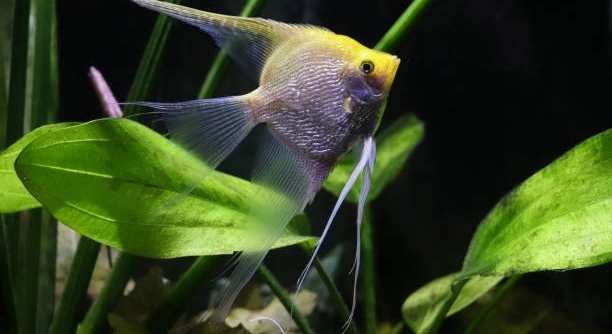
Water quality is crucial for angelfish health. Testing the water regularly ensures that these fish thrive in a stable environment. A reliable water testing kit can make all the difference in maintaining optimal conditions for your fish.
The best water testing kits for angelfish owners are easy to use, accurate, and offer a comprehensive analysis of essential water parameters. A reliable kit will test for ammonia, nitrite, nitrate, pH, and hardness, providing crucial information to maintain water quality.
Understanding the importance of water testing will help you provide the best environment for your angelfish. With the right tools, you can create a thriving habitat.
Importance of Water Testing for Angelfish
Water quality is essential for maintaining the health of angelfish. Poor water conditions can lead to stress, disease, and even death. Regular water testing allows you to monitor important factors like ammonia, nitrite, nitrate, pH, and hardness. These factors influence your angelfish’s well-being, so understanding them is key. Without testing, it’s difficult to know when water conditions are off-balance.
Testing kits give you the ability to correct any imbalances before they cause harm. Maintaining stable water parameters will promote healthier, more active angelfish.
It’s easy to overlook the importance of water testing, but it can make a significant difference in the overall health of your fish. Many diseases are preventable if water conditions are regularly monitored.
Types of Water Testing Kits
Water testing kits vary in complexity and accuracy. Some test strips are simple and provide quick results, while liquid-based kits offer more precise readings. Strips are fast and convenient but may lack accuracy in certain ranges. Liquid kits, while requiring more time and effort, offer a detailed analysis of each parameter.
If you want the most reliable results, opt for liquid testing kits. They provide more accurate readings, giving you a better understanding of the water quality. These kits also come with easy-to-follow instructions, making them user-friendly.
Many liquid kits also allow you to test multiple parameters at once. For example, some kits test for ammonia, nitrate, nitrite, and pH, which are all critical for maintaining a balanced tank. This can save you both time and money, as you don’t need to purchase separate kits for each parameter.
Testing Ammonia Levels
Ammonia is toxic to angelfish, even in small amounts. It’s produced by fish waste and decaying food. High ammonia levels can cause severe stress, leading to health problems. Testing for ammonia helps detect early signs of contamination, so you can take action before it harms your fish.
Ammonia levels should ideally be at 0 ppm (parts per million) for angelfish to thrive. Anything higher is dangerous. Using a reliable test kit will help ensure ammonia is kept in check. Once detected, regular water changes and proper filtration can help reduce ammonia buildup.
If ammonia levels remain elevated, it could be a sign that the biological filtration in your tank is not functioning properly. In this case, you may need to improve the filtration system or perform more frequent water changes until ammonia levels are stabilized.
Testing Nitrate and Nitrite
Nitrate and nitrite are common byproducts of the nitrogen cycle. While less toxic than ammonia, elevated levels can still harm angelfish over time. Nitrites are especially dangerous, as they interfere with oxygen absorption. Regular testing ensures that these compounds are kept at safe levels.
Nitrites should be kept at 0 ppm, and nitrates should ideally be under 20-40 ppm. High nitrate levels can lead to poor fish health, so regular water changes are essential for keeping them in check. Many testing kits provide quick readings for both nitrites and nitrates, making it easier to monitor your tank’s water quality.
If you notice a consistent increase in nitrite or nitrate levels, it may indicate an issue with the biological filtration or the overall water conditions. In such cases, adjusting your water changes or investing in additional filtration may be necessary to keep these levels under control.
Testing pH Levels
pH levels influence the overall health of your angelfish. Angelfish prefer a slightly acidic to neutral pH, ranging from 6.5 to 7.5. Testing the pH regularly helps you maintain stable conditions and avoid any sudden shifts that could stress the fish.
A sudden drop or rise in pH can lead to poor health or even death in extreme cases. Some water testing kits offer detailed pH readings, allowing you to adjust accordingly. If your pH fluctuates too much, it may indicate issues with water chemistry, which should be addressed promptly.
Testing Hardness
Water hardness refers to the mineral content in the water, mainly calcium and magnesium. Angelfish prefer soft to moderately hard water, with a hardness range of 3-8 dGH. Testing for hardness ensures that the water quality is appropriate for your fish’s health.
If the hardness level is too high or too low, it can stress your angelfish, affecting their growth and overall well-being. Some testing kits measure both general hardness (GH) and carbonate hardness (KH), helping you understand the full mineral content of your tank’s water. Regular testing allows you to make adjustments as needed.
Ease of Use
A good water testing kit should be user-friendly. Many kits come with clear instructions, making it easier for beginners to use. Whether you’re a seasoned fish keeper or a new angelfish owner, a simple kit can save time and prevent confusion.
FAQ
What is the best time to test the water in my angelfish tank?
Testing the water once a week is a good practice, especially for beginners. It allows you to monitor the key parameters consistently and catch any potential issues early. However, if you are noticing changes in your angelfish’s behavior or if the water appears cloudy, it’s best to test more frequently. After water changes, testing immediately ensures that the parameters are within the ideal range for your fish.
Can I use a single water test kit for multiple parameters?
Yes, many water testing kits can measure multiple parameters, including ammonia, nitrite, nitrate, pH, and hardness. These all-in-one kits are often more affordable and convenient for angelfish owners. Some kits also include separate tests for each parameter, allowing you to test each more frequently. Liquid kits tend to offer the most comprehensive results, though test strips are easier and faster for basic checks.
How often should I change the water in my angelfish tank?
It’s generally recommended to change 10-20% of the water weekly. This helps maintain water quality and reduces the buildup of harmful substances like nitrates. Larger or more heavily stocked tanks may require more frequent water changes. Always monitor your tank’s water parameters to ensure that water changes are adequate for your angelfish’s health.
What can I do if my ammonia levels are high?
If your ammonia levels are elevated, perform an immediate water change of about 25-50%. This will help dilute the ammonia. Additionally, check your filtration system to ensure it’s working effectively. Overfeeding can lead to high ammonia levels, so reduce the amount of food given to your fish. In severe cases, consider using ammonia-neutralizing products until the biological filtration is able to catch up.
Is there a way to prevent high nitrite and nitrate levels?
Regular water changes are key to preventing the buildup of nitrites and nitrates. These compounds are produced by the nitrogen cycle, so maintaining a healthy filtration system is essential. Make sure your filter is adequately sized for the tank and that it’s regularly cleaned. Avoid overfeeding your angelfish, as excess food decomposes and contributes to the rise in nitrates.
Why is the pH in my tank fluctuating?
pH fluctuations are often caused by changes in the water chemistry or biological processes within the tank. Adding decorations or substrates that are acidic can lower the pH, while certain types of filter media can raise it. Regularly testing and adjusting the pH as needed is important for your angelfish’s health. Use products designed to stabilize pH if you notice frequent swings.
What is the ideal temperature for angelfish?
Angelfish prefer a temperature range between 76°F and 82°F (24°C to 28°C). Keeping the temperature stable is just as important as monitoring other water parameters. Temperatures outside this range can stress angelfish and make them more susceptible to diseases. Use a reliable aquarium heater to maintain a consistent temperature and test the water regularly to make sure it stays within the optimal range.
Should I test for hardness in my tank?
Water hardness is an important factor, especially for species like angelfish. Soft to moderately hard water is best for angelfish, with a hardness range of 3-8 dGH. If your water is too hard or soft, it can cause stress and health issues for your fish. Testing the water’s hardness helps ensure the right balance and allows you to make adjustments if needed.
Are test strips as reliable as liquid kits?
Test strips are fast and convenient, but they tend to be less accurate than liquid kits. Strips can provide a quick snapshot of water quality but might not give precise results, especially for parameters like pH or ammonia. Liquid kits, on the other hand, offer more detailed and accurate readings. While they take more time to use, they are ideal for those who want precise water quality data.
Can water conditioners help with testing results?
Water conditioners can treat tap water to neutralize chlorine, chloramine, and heavy metals. These treatments can help stabilize the water before testing. However, conditioners should not be relied on to fix underlying issues with ammonia, nitrites, or pH. Regular testing should be done to ensure that the water quality remains stable even after conditioning.
What should I do if my water hardness is too high?
If your water is too hard, you can use a reverse osmosis (RO) filter to reduce the hardness. This will remove excess minerals, softening the water. Alternatively, you can dilute your tank water with distilled water, but ensure the temperature and pH stay within safe ranges for your angelfish. Always test the water after making adjustments to ensure it falls within the recommended hardness range.
Can a sudden change in water parameters harm my angelfish?
Yes, drastic changes in water parameters can cause significant stress to angelfish. A sudden drop or rise in temperature, pH, or ammonia levels can shock the fish and lead to health issues. It’s best to make gradual changes over several days to avoid overwhelming the fish. If you need to adjust the water, do so slowly to allow the angelfish to acclimate.
Final Thoughts
Maintaining optimal water quality is crucial for the health of your angelfish. By regularly testing for ammonia, nitrite, nitrate, pH, and hardness, you can ensure your tank remains a safe and healthy environment. Using the right testing kit helps you identify issues early and take corrective actions before they become serious. Whether you choose a liquid test kit or strips, consistency in testing is key to successful fish care. Routine water testing helps avoid unnecessary stress on your fish, which can lead to long-term health problems.
It’s important to remember that angelfish, like all aquarium fish, thrive in stable conditions. Sudden changes in water parameters can cause stress and even result in diseases. Monitoring your tank’s water regularly and making adjustments when needed is essential for keeping your fish healthy and happy. When you notice any changes in behavior or water quality, take action immediately. Don’t wait until it’s too late, as issues with water quality can quickly escalate and harm your angelfish. By staying on top of testing and adjusting, you ensure the best environment for your fish to thrive.
In conclusion, regular water testing is a simple yet effective way to protect your angelfish. It doesn’t take much time but offers peace of mind knowing that your tank is in good condition. By keeping an eye on key parameters, you can prevent most water quality problems before they affect your fish. As a result, your angelfish will enjoy a longer, healthier life in a well-maintained aquarium. Always remember to test, adjust, and maintain your tank’s water quality to ensure your fish stay healthy and happy for years to come.

Hello,
If you enjoy the content that we create, please consider saying a "Thank You!" by leaving a tip.
Every little bit helps us continue crafting quality advice that supports the health, happiness, and well-being of pets around the world, for pets of all shapes, sizes, and species.
We really appreciate the kindness and support that you show us!