
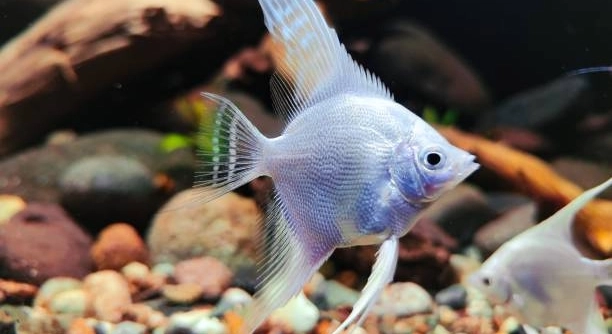
Do you ever find yourself worried that your angelfish might not be enjoying their small tank as much as they should?
Keeping angelfish happy in a small tank requires proper care, stable water conditions, mental stimulation, and compatible tank mates. Limiting overcrowding, offering hiding spots, and providing a varied diet are essential for supporting their health and behavior.
These simple tips can help improve your angelfish’s daily life while making the most of limited tank space.
Maintain Stable Water Conditions
Angelfish can be sensitive to sudden changes in water parameters. In a small tank, ammonia and nitrate levels can build up quickly, which makes weekly water changes important. A good-quality filter helps reduce waste buildup, but it should be cleaned regularly to avoid clogging. Keep the water temperature steady between 76–82°F using a reliable heater. Daily checks for temperature and pH levels (between 6.8 and 7.8) help catch imbalances early. Avoid overfeeding, as leftover food will decay and affect water quality. Use a gravel vacuum during cleaning to remove waste buildup and uneaten food from the bottom.
Clean water helps angelfish stay active, grow properly, and resist illness. It also encourages normal behavior and better appetite.
Smaller tanks require closer attention to water quality. Test your tank water weekly using aquarium test strips or a liquid kit. Monitor ammonia, nitrite, nitrate, and pH, and address issues before they affect your fish.
Provide Enough Space and Reduce Stress
Angelfish need space to move, even in small tanks. A cramped environment can cause stress and lead to aggression or illness. Keep the tank lightly stocked and avoid overcrowding.
Limit the number of fish in the tank. One or two angelfish in a 20-gallon tank is a reasonable setup if you’re not keeping other species. Angelfish are tall-bodied fish, so a tank with height is more suitable than one that’s just wide. Use background plants and vertical decorations like driftwood to give them a sense of shelter without making the tank feel tight. Avoid placing your tank near loud sounds or constant movement, which can raise stress levels. Keep lighting moderate and maintain a regular day-night schedule. When possible, limit sudden changes in their environment—such as moving decorations or rearranging the tank—to prevent them from feeling unsettled. Stable surroundings can make a big difference in how relaxed and active your angelfish feel.
Offer Hiding Spots and Vertical Decor
Hiding spots help angelfish feel secure. In small tanks, even a few well-placed decorations or plants can make a difference in reducing stress and preventing aggressive behavior from developing over time.
Use tall plants, caves, or driftwood to create natural boundaries. Angelfish often prefer vertical swimming spaces, so adding tall plants like Amazon swords or artificial silk plants can help mimic their natural environment. Arrange items along the sides and back of the tank to leave swimming room in the middle. This layout gives them space to explore while feeling protected. Avoid overcrowding the tank with too many objects, as it can reduce open space and disrupt water flow. A simple, well-balanced setup encourages healthy behavior and makes angelfish feel more at ease.
Providing shaded areas also supports angelfish comfort. Floating plants or tall decorations can block light in certain areas, helping them retreat when they need rest or feel overwhelmed.
Feed a Varied and Balanced Diet
A consistent, balanced diet supports energy levels, color, and immunity. Angelfish do well on high-quality flakes or pellets, but adding variety through frozen or live foods helps meet their nutritional needs and keeps them interested in feeding.
Include protein-rich foods like brine shrimp, bloodworms, or daphnia two to three times a week. These options are easy to find frozen and are safe when used correctly. Alternate with vegetable-based flakes or spirulina to ensure balance. Feed small amounts two to three times daily and remove uneaten food after a few minutes to keep the tank clean. Avoid relying on a single food type every day, as this can lead to nutritional gaps or boredom during feeding times.
Offering a mix of textures and flavors keeps angelfish more active at mealtime. It also encourages natural foraging behavior, which can reduce boredom in a smaller space and improve overall mood and health.
Keep Tank Mates Peaceful and Compatible
Choose calm, non-aggressive fish that won’t nip fins or compete for food. Avoid pairing angelfish with small, fast-moving species or fish that show territorial behavior in confined spaces.
Fish like corydoras, small tetras, or peaceful gouramis often work well. Stick to species that tolerate similar water conditions.
Create a Consistent Routine
Angelfish feel more secure when their environment follows a routine. Feed them at the same times each day and turn lights on and off at regular hours. Consistency helps reduce stress and encourages healthy feeding and activity patterns.
Avoid Overdecorating the Tank
Too many items can limit swimming space and trap waste. Use simple, functional decor to keep the tank organized and easy to clean.
FAQ
How small is too small for an angelfish tank?
A single adult angelfish needs at least 20 gallons of space. This allows for stable water conditions and enough swimming room. For a pair, 29 gallons is more appropriate. Tanks smaller than 10 gallons are not suitable, even short-term, as they limit movement and raise stress levels. Small tanks also make it difficult to manage waste buildup and temperature fluctuations. While angelfish are hardy, cramped environments can lead to poor growth, aggression, and illness. If keeping them in a smaller tank temporarily, limit the time and monitor conditions closely to avoid long-term health issues.
Can angelfish be kept alone?
Yes, angelfish can live alone and still thrive if the tank meets their needs. A single angelfish may even be less aggressive without other angelfish around. It’s important to provide enrichment like plants, hiding spaces, and varied food to keep them stimulated. While some angelfish enjoy company, others show territorial behavior, especially in smaller tanks. If you do want to keep more than one, make sure there is enough room to prevent constant chasing or nipping. Always observe new tank setups closely for signs of stress or conflict and separate fish if necessary.
How often should I clean a small angelfish tank?
A small tank should be cleaned weekly. Remove 25–30% of the water and use a gravel vacuum to remove uneaten food and waste. Clean the filter monthly unless it shows signs of clogging sooner. Check for algae buildup and wipe it down as needed. Smaller tanks become dirty quicker due to limited water volume, so regular maintenance helps prevent ammonia spikes and keeps the environment healthy. Avoid overcleaning by preserving beneficial bacteria in your filter media and decorations. Consistent cleaning keeps your angelfish healthy and reduces the chances of water-related illnesses.
What signs show that an angelfish is stressed in a small tank?
Stressed angelfish often show changes in behavior. They may hide more often, stop eating, breathe heavily, or pace the tank walls. Faded color, clamped fins, and increased aggression can also be signs. In small tanks, these issues can appear quickly if water quality drops or space is too limited. Watch for signs of illness such as white spots, bloating, or sudden changes in swimming. Addressing stress early by improving tank conditions, adding cover, or adjusting tank mates can help reverse the behavior before it becomes serious. Regular observation is key in smaller environments.
Do angelfish get bored in small tanks?
Yes, angelfish can show signs of boredom if the environment lacks stimulation. Repetitive swimming, lack of interest in food, or unusual aggression may be indicators. Adding floating plants, rotating decorations, and varying their diet can help. Keeping them engaged with small changes gives them something to explore. In very small tanks, options are limited, so it’s important to keep the setup clean, balanced, and visually interesting. Just avoid too much change too often, as that can cause stress instead of helping. Aim for small improvements over time to support their mental health.
Is a filter necessary for small angelfish tanks?
Yes, a filter is essential even in small tanks. It helps remove waste, supports oxygen levels, and maintains the nitrogen cycle. Without a filter, harmful substances like ammonia and nitrite can build up quickly and harm your fish. Choose a filter rated for your tank size but gentle enough not to create strong currents, since angelfish prefer calm water. Sponge filters or adjustable flow models work well in smaller setups. In addition to filtering, regular water changes are still needed to keep the tank clean and stable for your angelfish.
Final Thoughts
Keeping angelfish happy in a small tank is possible with consistent care and thoughtful planning. These fish need clean water, stable temperatures, and a peaceful environment. While they can adapt to smaller tanks, they still need space to swim and grow. Choosing the right tank mates, feeding them a balanced diet, and keeping the tank clean all play a role in their overall health. Even small changes, like adjusting the lighting or rearranging plants, can improve their comfort. Paying attention to their behavior and making careful adjustments when needed helps prevent stress or illness.
A small tank means less room for mistakes. Water conditions can change quickly, and overfeeding or overcrowding can lead to problems fast. A reliable filter, regular water changes, and daily checks make a big difference. Providing variety in their food and some natural cover in the tank can reduce boredom. Angelfish are interactive and observant, so they respond well to stable routines. A simple setup that’s easy to manage can still meet their needs and help them live a healthy life. Focus on balance instead of filling the tank with too many features.
Even in a limited space, angelfish can live well if their environment stays clean and calm. Avoid adding too many fish, and don’t skip maintenance tasks. Consistency is more important than perfection. Watch how your angelfish reacts to changes and keep track of any new behaviors. This helps you catch issues early and make adjustments. With steady attention and a few basic guidelines, a small tank can still be a safe and rewarding home for your angelfish. Simple care choices add up over time and can keep your fish thriving for years.

Hello,
If you enjoy the content that we create, please consider saying a "Thank You!" by leaving a tip.
Every little bit helps us continue crafting quality advice that supports the health, happiness, and well-being of pets around the world, for pets of all shapes, sizes, and species.
We really appreciate the kindness and support that you show us!