
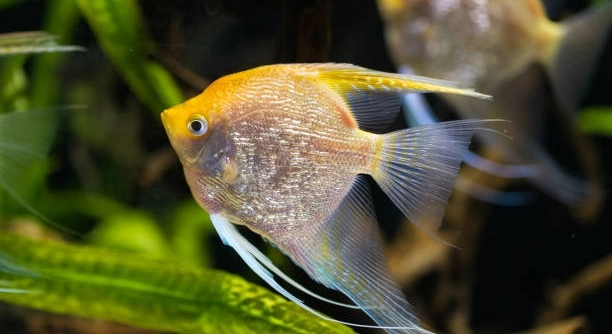
Do you have an angelfish that isn’t engaging with the other fish in your aquarium?
Angelfish may avoid interacting with other fish due to various reasons, including aggression, poor water quality, improper tank conditions, or stress. Understanding these factors can help resolve the issue and improve your fish’s behavior.
There are several possible causes behind this behavior, from tank setup to individual temperament. By exploring these reasons, you can better understand your angelfish and find the right solutions.
1. Water Quality Issues
Water quality is one of the most important factors affecting fish behavior. If the water in your tank is unclean or has fluctuating temperatures, your angelfish may feel stressed or unsafe. Poor water conditions can lead to illness and may make your fish avoid interacting with others.
Angelfish are sensitive to changes in water parameters. Keeping the tank clean and regularly checking the levels of ammonia, nitrites, and nitrates can prevent unwanted stress. Fish can also become territorial if the water conditions aren’t ideal, causing them to avoid other fish.
To maintain good water quality, perform regular water changes, clean the tank, and monitor the water’s pH and temperature. Ensure the filtration system is working correctly to maintain a balanced environment. A stable and clean tank will encourage your angelfish to feel more comfortable and engage with the other fish. It’s also a good idea to introduce new fish slowly, allowing them time to adjust.
2. Tank Size and Space
If your tank is overcrowded or too small, your angelfish may not have enough space to swim freely. A cramped environment can lead to aggression and cause fish to isolate themselves.
Overcrowding can also increase the risk of poor water quality, making your fish more likely to avoid interaction. Make sure your aquarium provides ample swimming space for each fish.
3. Aggression from Other Fish
Angelfish can sometimes withdraw from other fish if they’re being bullied or stressed. Some fish species are more aggressive than others, and even a peaceful angelfish may feel threatened. This behavior can lead to isolation.
Aggressive fish can chase or nip at angelfish, causing them to hide or avoid socializing. If you notice aggressive behavior, consider moving the aggressive fish to a separate tank. Angelfish are more likely to interact with others in a peaceful, calm environment. Sometimes, rearranging the tank decor can also help reduce territorial disputes.
It’s important to observe the dynamics between your fish and separate any that seem to cause stress. Certain species, like cichlids, may not be a good tankmate for angelfish. Ensuring compatibility among tankmates will help reduce stress and encourage your angelfish to be more social.
4. Stress and Illness
Stress is a major factor that can affect an angelfish’s behavior. If your fish feels threatened, scared, or unwell, it might stop interacting with others. Illness can also cause lethargy, making it harder for them to engage.
Stressed angelfish may display unusual behaviors, such as hiding or swimming erratically. Illnesses like parasites or bacterial infections could make your fish weak, which can lead to withdrawal. Keep an eye out for any physical changes, such as white spots or faded colors, which may indicate a health problem.
5. Tank Setup and Decor
The tank’s layout can affect how your angelfish interact with others. Too many hiding spots or sharp decorations may make your fish feel more isolated.
A tank with open space and smooth decorations encourages socializing. Avoid placing too many caves or obstacles that could create territorial boundaries.
Your fish may avoid interactions if they feel too crowded or trapped. Providing both open areas and a few hiding places will allow your angelfish to feel safe while still having the option to engage with other fish. Proper tank design can improve overall behavior and comfort.
6. Breeding Behavior
Angelfish can act differently when they’re preparing to breed. They might become more territorial or aggressive toward other fish.
During breeding, angelfish may ignore other tankmates as they focus on protecting their eggs or territory. It’s important to give them space and ensure they aren’t disturbed.
This behavior is temporary and usually settles once the breeding process is over. However, if your angelfish is breeding frequently, it might also cause a longer period of social withdrawal from other fish.
FAQ
Why is my angelfish hiding all the time?
Hiding can be a sign that your angelfish is stressed, ill, or feeling threatened by other fish in the tank. If there’s an aggressive fish, territorial behavior, or poor water quality, your angelfish may retreat to a hiding spot to feel safe. You may want to assess the water parameters, check for aggressive tankmates, and ensure that the tank size is appropriate for your fish. If the fish is ill, you might notice physical symptoms like faded colors or lesions, which would require treatment.
Can angelfish live with other species?
Yes, angelfish can live with other species, but it’s important to choose compatible tankmates. They generally do well with peaceful fish, such as tetras, gouramis, and certain types of catfish. However, aggressive or fin-nipping fish can stress them out. Larger species that can intimidate angelfish should be avoided. Additionally, angelfish are known to be somewhat territorial, so ensuring enough space and hiding spots is crucial to prevent conflicts.
How do I know if my angelfish is stressed?
Stressed angelfish may show a few key signs, including erratic swimming, hiding, or a lack of appetite. They might also display signs of physical stress, such as clamped fins, darkened colors, or gasping at the water surface. If the water parameters are not ideal, such as high levels of ammonia or nitrites, stress can become worse. Adding too many fish to a tank can also contribute to stress, so it’s vital to monitor the overall tank environment and the behavior of your fish.
What is the best tank setup for angelfish?
Angelfish prefer a well-planted tank with open swimming areas. A peaceful community tank is ideal, with plenty of space for swimming and a few hiding spots, such as plants or caves. The tank should have a stable filtration system, as angelfish are sensitive to water quality. They prefer slightly acidic to neutral pH levels and a temperature range of 75-82°F. Avoid sharp decorations that could injure their delicate fins, and be sure to regularly monitor water parameters to ensure a healthy environment.
Is it normal for angelfish to be solitary?
Angelfish can be solitary by nature, but it’s not always ideal for them to be alone. In the wild, they tend to live in groups, although they may not form strong bonds with other fish. If your angelfish is isolated in the tank, it could be due to environmental stress, an aggressive tankmate, or a breeding period. While they can live alone, they often do better with others of their kind, as long as the tank conditions support peaceful coexistence.
How can I encourage my angelfish to interact with others?
Creating a peaceful environment is key to encouraging your angelfish to interact with other fish. Ensure that there are plenty of open swimming areas and hideaways where the fish can feel secure. Proper tank mates, consistent water quality, and a stable environment all contribute to reduced stress. If aggression or bullying is occurring, consider rearranging the tank layout or separating aggressive fish. Patience and time are important, as angelfish may take a little while to adjust to new tankmates.
Why are my angelfish chasing each other?
Chasing behavior between angelfish could indicate that they are establishing dominance or territory, especially if there are multiple males or a breeding pair in the tank. This is normal in certain situations, particularly during breeding season. However, if the chasing becomes aggressive or seems to be causing stress, it could indicate a problem with tank size, water quality, or incompatible tankmates. Observing their behavior can help you understand if it’s just a normal display or if further action is needed.
Can angelfish live in a tank with different water conditions?
Angelfish thrive in specific water conditions, typically with a pH range of 6.8-7.8, moderately soft to hard water, and a temperature between 75-82°F. Introducing them into an aquarium with drastically different conditions can cause stress, leading to health problems. Before adding them to a tank, ensure that the water is within the proper range and stable. Sudden shifts in temperature or pH can shock the fish, so it’s always best to acclimate them slowly when introducing them to a new tank.
How can I tell if my angelfish is healthy?
Healthy angelfish have vibrant colors, clear eyes, and a smooth body. Their fins should be fully extended and not clamped against their body. They should swim steadily and show normal behavior, such as swimming in the middle of the tank and eating regularly. If your angelfish is lethargic, has faded colors, or is not eating, this may be a sign of illness. Regular water tests and careful monitoring of their behavior will help you determine their health status.
Do angelfish need a lot of space?
Yes, angelfish need space to swim freely. They can grow up to 6 inches in length and need a tank that can accommodate their size and activity level. A minimum of a 20-gallon tank is recommended for one or two angelfish, with additional space required for every extra fish. Overcrowding can lead to stress, aggression, and poor water quality, so providing ample room will help keep them healthy and happy. A larger tank also gives you the flexibility to add other species without causing conflicts.
Final Thoughts
If your angelfish isn’t interacting with other fish, it could be due to various factors. Water quality, stress, tank size, and aggression from other fish are common reasons behind this behavior. It’s important to regularly check your tank’s water conditions, as poor water quality can stress fish and cause them to isolate themselves. Monitoring things like ammonia, nitrites, and pH levels will help ensure a healthy environment for your angelfish. Keeping the tank clean and adjusting the water temperature can go a long way in improving their overall behavior.
Another important factor is tankmates. Angelfish are generally peaceful, but they can become territorial, especially if they feel threatened by more aggressive fish. The right tank setup is crucial for encouraging positive interactions. A tank that offers both open spaces and hiding spots can make your fish feel safe and comfortable. If aggression from other fish is the issue, consider rearranging the tank layout or separating the aggressive species. Keeping the fish well-fed and ensuring enough space for all fish to swim freely can also reduce stress and promote better socializing.
In the end, it’s essential to remain patient when addressing your angelfish’s behavior. Fish, just like other animals, can be affected by their surroundings, and it may take time for them to adjust to new conditions or tankmates. If you notice that your angelfish continues to avoid others despite your best efforts, it could be worth consulting an aquarium professional to rule out any health issues. By creating a peaceful and stable environment, you can encourage your angelfish to interact more freely and thrive in its habitat.

Hello,
If you enjoy the content that we create, please consider saying a "Thank You!" by leaving a tip.
Every little bit helps us continue crafting quality advice that supports the health, happiness, and well-being of pets around the world, for pets of all shapes, sizes, and species.
We really appreciate the kindness and support that you show us!