
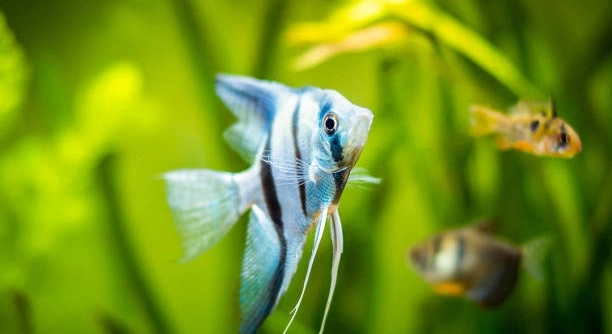
Is your angelfish ignoring food even though everything seems normal in the tank? You’re not alone—many fish owners face the same concern. Understanding the reasons can make all the difference in your fish’s health.
Angelfish may lose their appetite due to factors such as poor water quality, stress from tank mates, unsuitable temperature, or dietary issues. Identifying the cause early can help prevent long-term health problems and improve overall well-being.
From subtle tank changes to overlooked feeding habits, several things might be affecting your angelfish’s eating routine. Let’s take a closer look at what could be going wrong.
Poor Water Quality
Angelfish are sensitive to their environment, and poor water quality can quickly affect their behavior, including their appetite. Ammonia and nitrite spikes, high nitrate levels, or even a slight pH imbalance may cause them to stop eating. If uneaten food is left in the tank or if the filter is not functioning properly, waste can build up. Over time, this stresses your fish and may lead to illness. Even if everything looks clean, harmful substances can still be present. It’s important to check parameters regularly and keep conditions stable. A healthy tank encourages feeding and keeps angelfish active.
Check your tank’s water with a test kit once or twice a week. Look out for changes in ammonia, nitrite, nitrate, and pH.
Regular water changes and proper filtration are key. Change about 25% of the water weekly and rinse filter media in tank water. Avoid using tap water with chlorine. Always treat tap water with a conditioner before adding it to the tank. If your angelfish suddenly stops eating, test the water first. Addressing water issues early helps maintain their health and appetite. Try not to make drastic changes all at once—this can cause more harm than good. Keep things consistent and calm for the best results.
Stress From Tank Mates
Angelfish may stop eating if they feel threatened or overwhelmed by other fish in the tank. Aggressive or fast-swimming species can make feeding time stressful.
Keeping angelfish with peaceful tank mates helps reduce tension. Avoid fish that nip fins or outcompete them for food. Even another angelfish can cause stress if they’re not getting along. Monitor interactions closely and make sure everyone has enough space. If you notice signs of bullying, consider separating the aggressive fish. Decorations, plants, and hiding spots help reduce tension by offering shelter. Feeding smaller portions more often can also help nervous fish feel safe enough to eat. A calm environment allows your angelfish to relax and focus on eating. You don’t need a large tank, but you do need one with the right balance of species and plenty of cover. This encourages natural behavior and a healthy appetite.
Unsuitable Water Temperature
If the water is too cold or too warm, angelfish may stop eating. Their metabolism depends on temperature, and sudden changes can throw them off balance. Keep the temperature between 76°F and 82°F for stable activity and feeding.
A consistent temperature helps angelfish feel safe and energetic. Use a reliable aquarium heater with a built-in thermostat to maintain the right range. Avoid placing the tank near windows or vents, which can cause unwanted fluctuations. Sudden drops, especially at night, can stress fish quickly. If your angelfish stops eating, check the temperature first. Even a small change can affect them more than you’d expect. It’s also helpful to check the heater regularly to make sure it’s working. Avoid quick fixes like rapidly warming the water—this can do more harm than good. Keep adjustments slow and steady for the best results.
If you live in an area with seasonal shifts, be mindful of how room temperature affects your tank. During colder months, a second heater or insulated tank cover might help. In warmer months, keep lights on for shorter periods and allow for better airflow around the tank. Stable water temperature not only supports digestion and appetite but also helps with overall health and disease resistance. Angelfish do best in calm, consistent environments.
Inadequate Diet
Feeding angelfish the same food every day can cause them to lose interest. They need a varied diet with both protein and plant-based options to stay healthy and engaged during feeding time.
A well-balanced diet encourages better appetite and energy. Flake food is a common choice, but it shouldn’t be the only one. Try including frozen or live foods like bloodworms or brine shrimp once or twice a week. You can also offer boiled vegetables like zucchini or peas for fiber. If your angelfish seems bored or ignores food, rotate between two or three types. This prevents feeding fatigue and provides different nutrients. Always remove uneaten food within a few minutes to avoid polluting the water. Feed small amounts two to three times a day rather than one large portion. Watch how they respond—this helps you adjust portions and food types to their preferences.
Illness or Parasites
If your angelfish shows signs like clamped fins, faded color, or strange swimming, illness might be the cause. Appetite loss is often the first sign of a health issue. Early treatment is key to recovery.
Internal parasites can also affect appetite. Look for stringy white feces, bloating, or weight loss.
Boredom or Lack of Stimulation
Angelfish are more active and responsive in a stimulating environment. Without plants, rocks, or hiding spots, they can become dull and withdrawn. Bored fish may lose interest in feeding. Add variety to the tank with different decorations and soft lighting. Rearranging elements now and then helps maintain interest.
Recent Changes in Routine
A change in tank setup, lighting schedule, or feeding time can make angelfish feel unsettled. Even minor shifts can affect their appetite. Give them time to adjust and avoid making too many changes at once.
FAQ
Why isn’t my angelfish eating?
There are several potential reasons your angelfish may not be eating. Poor water quality is often the most common cause, as ammonia or nitrite levels can stress your fish. Other factors include stress from aggressive tank mates, inappropriate water temperature, or an unbalanced diet. Check the water parameters first, as they have the biggest impact on your fish’s health. Also, ensure the tank environment is peaceful, with plenty of space for your angelfish to swim freely. If the water quality and tank conditions are stable, try offering a variety of foods to stimulate their appetite.
How can I tell if my angelfish is stressed?
Stressed angelfish may display behaviors like rapid swimming, hiding, or excessive darting around the tank. They might also stop eating or exhibit clamped fins, where their fins stay close to their body. Another sign of stress is abnormal color fading, which can occur if the fish feels threatened or unsettled. Stress can be caused by overcrowding, incompatible tank mates, or sudden changes in water conditions. Try to keep the environment calm, reduce tank disturbances, and provide enough hiding places for your fish to feel secure.
How do I know if my angelfish is sick?
Signs of illness in angelfish include loss of appetite, discoloration, abnormal swimming patterns, clamped fins, or visible lesions on the body. Parasites like ich or internal worms can cause symptoms like white spots on the skin or stringy feces. Always isolate sick fish to prevent spreading illness and seek treatment based on the symptoms. It’s important to monitor water quality regularly and make sure it stays within optimal levels, as poor conditions can weaken your fish’s immune system.
Can I feed my angelfish only flakes?
Feeding angelfish only flakes can lead to nutritional deficiencies. Flakes provide some essential nutrients, but variety is key to a balanced diet. Angelfish need both protein and plant-based food to thrive. Offer live or frozen foods like bloodworms, brine shrimp, or daphnia a few times a week. You can also add vegetables like peas or spinach for added fiber and variety. By mixing up their meals, you keep them engaged during feeding time and prevent boredom, which can affect their appetite.
What temperature should my angelfish’s tank be?
Angelfish prefer water temperatures between 76°F and 82°F (24°C to 28°C). Water that’s too cold can slow their metabolism, causing them to become lethargic and lose interest in food. On the other hand, water that’s too warm can increase stress levels and make them more susceptible to diseases. To maintain a stable temperature, use a reliable aquarium heater and avoid placing the tank in areas with fluctuating temperatures, like near windows or air conditioners.
Can water changes help with my angelfish’s appetite?
Yes, regular water changes can improve your angelfish’s health and appetite. Changing 25-30% of the water weekly helps maintain stable water conditions, removes toxins, and prevents disease. It also ensures that the oxygen levels in the water stay high, which is crucial for your fish’s metabolism. If your angelfish isn’t eating, consider checking the water parameters and performing a water change to rule out poor water quality as a cause.
Is it normal for angelfish to eat less during spawning?
Yes, angelfish tend to eat less during spawning periods. When they are preparing to breed, they may become more focused on their mating behavior, and this can temporarily reduce their appetite. During this time, they might also become more territorial, especially if they have laid eggs. As long as the environment is stable and no other health issues are present, reduced eating during spawning is typically normal. However, ensure that they have a variety of food options available once they resume eating normally.
What type of foods are best for angelfish?
Angelfish thrive on a varied diet that includes both plant and animal-based foods. Good options include high-quality flakes, pellets, bloodworms, brine shrimp, daphnia, and live or frozen foods. Additionally, offering vegetables like spinach, zucchini, and peas can provide fiber and essential nutrients. The variety keeps your angelfish engaged and ensures they receive a well-rounded diet. Aim to feed them small portions 2-3 times a day rather than one large meal. Always remove uneaten food after a few minutes to prevent water contamination.
Can stress cause my angelfish to stop eating?
Yes, stress is one of the most common reasons why angelfish stop eating. Stressors can include incompatible tank mates, frequent water changes, bright lights, or a lack of hiding spots. If your angelfish feels threatened, they may avoid food and display erratic behavior. Reducing stress is key to restoring their appetite. Make sure the tank is peaceful, with enough plants, rocks, or other decorations to provide shelter. Also, avoid sudden changes to their environment or schedule, as this can increase stress levels.
How do I handle an angelfish that refuses to eat for a long time?
If your angelfish refuses to eat for an extended period, it’s important to check the tank’s water quality and temperature first. Poor water conditions or fluctuating temperatures are often the main cause. If the water is fine, try changing the food to something they haven’t been offered recently. Offering live or frozen foods may spark their interest. If the problem persists, consider isolating the fish to prevent stress and seek advice from an aquarium professional or veterinarian.
Final Thoughts
Angelfish are generally hardy fish, but there are several factors that can affect their appetite. It’s important to observe your angelfish carefully and monitor their behavior regularly. If they suddenly stop eating, it’s usually a sign that something in the tank environment is not quite right. By keeping track of the water quality, maintaining a stable temperature, and ensuring a peaceful environment, you can help prevent most appetite-related issues. When their surroundings are ideal, your angelfish will likely feel more comfortable and willing to eat.
Remember that diet variety plays a significant role in your angelfish’s health and appetite. Offering different foods, such as live or frozen options alongside high-quality flakes, can help keep your fish interested during feeding time. It’s also essential to ensure they are getting both protein and plant-based foods for a balanced diet. Regular water changes are another simple yet effective way to maintain the quality of the tank environment and encourage healthy eating habits. When you focus on a consistent routine with proper tank care, your angelfish will have the best chance at staying healthy and active.
Lastly, if your angelfish’s appetite continues to be an issue despite making adjustments, it’s important to take a closer look at their health. Illness or stress from tank mates could be the cause, and in these cases, separating the affected fish and providing appropriate treatment may be necessary. If needed, seek professional advice from an aquarium expert or veterinarian to ensure your angelfish is getting the right care. With time and attention, most appetite-related issues can be addressed, ensuring your angelfish remain happy and healthy in their tank.

Hello,
If you enjoy the content that we create, please consider saying a "Thank You!" by leaving a tip.
Every little bit helps us continue crafting quality advice that supports the health, happiness, and well-being of pets around the world, for pets of all shapes, sizes, and species.
We really appreciate the kindness and support that you show us!