
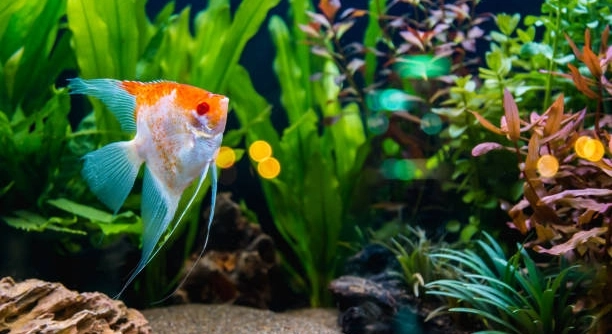
Angelfish are known for their beauty and active nature, but when they spend too much time at the bottom of the tank, it can be concerning. There are several potential reasons for this behavior that need to be understood.
The most common reason why angelfish stay at the bottom of the tank is due to stress, illness, or poor water conditions. Factors like low oxygen levels, improper tank temperature, or even bullying from other fish can contribute to this behavior.
There are multiple factors that can lead to your angelfish’s behavior, and understanding them can help you address the problem effectively. Keep reading to discover what might be causing this issue and how to improve your angelfish’s environment.
Poor Water Quality
Angelfish are sensitive to water conditions, and poor water quality can make them stay at the bottom of the tank. When the water is dirty or has high ammonia or nitrite levels, it can stress the fish, leading them to seek calmer areas. These conditions disrupt the fish’s health and cause discomfort, making it difficult for them to swim freely. Ammonia buildup is especially harmful, as it can irritate their gills and cause breathing difficulties. Regular water changes, proper filtration, and testing water parameters can improve the environment and encourage more natural behavior from your angelfish.
Water testing is essential. If ammonia, nitrites, or nitrates are too high, your angelfish will likely stay low. Keeping these levels in check will help reduce stress. Frequent water changes of 20-30% can also improve the overall tank environment.
Monitoring your tank’s pH, hardness, and temperature is important for keeping angelfish comfortable. A stable environment ensures your fish stay healthy. Adjusting water temperature within the appropriate range for angelfish (around 78-82°F or 25-28°C) can help reduce the stress they experience due to fluctuating conditions. The proper care and a clean tank make a significant difference in keeping your angelfish active and healthy.
Tank Temperature
Temperature fluctuations can have a huge impact on your angelfish’s behavior. Angelfish are tropical fish and prefer warmer water within a specific range. If the water is too cold or too warm, they will become stressed, often seeking the bottom of the tank to hide.
The ideal water temperature for angelfish is between 78-82°F (25-28°C). Temperatures outside of this range can affect their immune system, making them more susceptible to diseases and decreasing their energy levels. If the water is too cold, it can cause lethargy, while water that is too warm can lead to oxygen depletion, further stressing the fish. Consistently maintaining the right temperature is vital for their well-being.
To maintain a stable tank temperature, consider using an aquarium heater with a thermometer to avoid drastic fluctuations. Ensure that your aquarium is not near windows, vents, or air conditioners that may cause temperature shifts. By controlling these factors, you can reduce the likelihood of your angelfish spending excessive time at the bottom of the tank.
Stress from Other Fish
Angelfish can be territorial, and any aggressive or dominant tankmates may cause them stress. This stress often leads to them hiding at the bottom of the tank, avoiding confrontation. Fish that chase or nip at angelfish will force them to retreat to the quieter, more protected areas of the tank.
It’s important to carefully choose tankmates that are peaceful and won’t threaten your angelfish. Avoid keeping aggressive fish like cichlids or large, fast-moving fish that may intimidate your angelfish. Adding hiding spots, such as plants or decorations, can also give your angelfish a place to retreat if they feel threatened.
Sometimes, providing enough space for the fish to establish territories can reduce stress. Ensuring that the tank is spacious and well-structured with hiding spots will help prevent your angelfish from feeling cornered. This setup can lead to more natural behavior, where your angelfish feels safe and comfortable enough to swim actively.
Illness or Injury
Angelfish at the bottom of the tank may also be showing signs of illness or injury. Health issues like parasites, infections, or wounds can cause discomfort, making them less likely to swim around. An ill fish will often isolate itself in quieter areas to recover, which is often at the bottom of the tank.
If your angelfish isn’t eating, is exhibiting abnormal swimming, or shows visible signs of disease like discoloration, sores, or abnormal growths, it’s important to take action quickly. Isolating the affected fish in a quarantine tank allows you to treat it without the risk of spreading the illness to other fish in the main tank. Regular observation is key to catching issues early.
In some cases, injury can also result from tankmates or improper handling during tank maintenance. If you notice your angelfish has external injuries or cuts, use aquarium-safe medications to treat the wounds. Be sure to address any health concerns promptly to avoid further complications.
Overfeeding
Overfeeding is a common issue in many aquariums and can affect angelfish. Excess food in the tank can pollute the water and cause stress, prompting the fish to stay at the bottom. Leftover food leads to high ammonia levels, which can damage their health.
To avoid overfeeding, ensure you’re feeding the right amount for your angelfish to consume in a few minutes. Remove any uneaten food after that time. This practice helps maintain water quality and keeps your fish from being stressed. Adjust the feeding schedule to avoid excess food buildup, which will encourage more natural swimming behavior.
Inadequate Tank Size
If your angelfish tank is too small, your fish will not have enough space to swim freely. A cramped environment can cause anxiety, leading angelfish to seek refuge at the bottom. Angelfish need ample room to move and explore.
A minimum tank size of 30 gallons is recommended for a pair of angelfish. Smaller tanks can create stress due to limited swimming space, which negatively affects their behavior. Ensure your tank is large enough to accommodate your fish and provide enough room for both them and any tankmates. Proper space encourages active swimming and overall well-being.
Lack of Proper Filtration
Angelfish require clean water, and proper filtration is essential to maintain a healthy tank. Without adequate filtration, waste can build up quickly, leading to poor water quality. This can cause angelfish to stay at the bottom in an effort to avoid harmful substances in the water.
Investing in a reliable filtration system that suits the size of your tank is crucial. Filters help remove excess waste, harmful chemicals, and particles, ensuring a safer environment for your angelfish. Be sure to clean the filter regularly to maintain optimal performance. Healthy, clean water is essential for angelfish to thrive.
FAQ
Why is my angelfish staying at the bottom of the tank?
Your angelfish may be staying at the bottom of the tank due to stress, poor water quality, or illness. When water parameters like ammonia or nitrite levels are off, it can create an uncomfortable environment, leading the fish to seek safety at the bottom. Stress from aggressive tankmates or changes in temperature can also cause this behavior. Illnesses, such as parasites or wounds, may cause your angelfish to isolate itself in calmer areas of the tank. Monitoring water quality and observing the fish for signs of disease can help determine the cause.
How do I fix poor water quality in my tank?
To fix poor water quality, start by testing the water for ammonia, nitrites, and nitrates. Perform a water change of 20-30% to dilute harmful substances. Check your filter system to ensure it’s working efficiently. Make sure the filter is the correct size for your tank. Clean the filter regularly, and remove any debris from the bottom of the tank to reduce waste buildup. Consider using water conditioners or treatments if the water chemistry is still imbalanced. Regularly test water parameters to maintain stable, safe conditions for your fish.
Can I fix a stressed angelfish by changing tankmates?
Yes, changing tankmates can reduce stress for your angelfish. If aggressive or territorial fish are causing issues, removing or replacing them with more peaceful species can help. Angelfish do best with other non-aggressive fish that won’t compete for space or food. Adding hiding spots, like plants and decorations, can give your angelfish a safe place to retreat. It’s also important to ensure your angelfish has enough space in the tank. A crowded tank can increase stress, so make sure there’s ample room for everyone.
How can I tell if my angelfish is sick?
Signs of illness in angelfish include lethargy, loss of appetite, abnormal swimming, or discoloration. Look for any visible sores, lesions, or spots on the skin, which can indicate an infection. Clamped fins, where the fish keeps its fins close to the body, can also be a sign of stress or illness. If your fish is consistently hiding at the bottom or swimming erratically, it may be unwell. Quarantining the sick fish in a separate tank for treatment is often necessary to prevent the spread of disease.
What’s the best water temperature for angelfish?
The ideal water temperature for angelfish is between 78-82°F (25-28°C). Keeping the water within this range helps prevent stress and promotes healthy digestion and metabolism. If the water temperature fluctuates too much, it can affect your fish’s immune system, making them more susceptible to illness. Using an aquarium heater and thermometer can help maintain a stable temperature. Ensure the tank is not near air conditioners, heaters, or windows, as these can cause temperature fluctuations.
Is overfeeding harming my angelfish?
Yes, overfeeding can harm your angelfish. Excess food leads to water pollution, as uneaten food breaks down and produces harmful ammonia and nitrites. These substances affect water quality and can stress your angelfish, causing them to spend more time at the bottom of the tank. To prevent overfeeding, give your angelfish only as much food as they can consume within a few minutes. Remove any uneaten food promptly to maintain a clean tank. Overfeeding also contributes to obesity in fish, which can affect their health long-term.
Can poor filtration cause my angelfish to stay at the bottom?
Poor filtration can contribute to water quality issues, which in turn may cause your angelfish to stay at the bottom of the tank. A filter that is too small or inefficient won’t remove waste and harmful chemicals, leading to high ammonia and nitrite levels. Inadequate filtration can create a toxic environment that stresses the fish. Make sure your filter is appropriate for the size of your tank and clean it regularly. Good filtration helps maintain water clarity and prevents the buildup of harmful substances.
What should I do if my angelfish is injured?
If your angelfish is injured, isolate it in a quarantine tank to prevent further stress and infection. Clean the wound carefully and apply aquarium-safe medications or antiseptic treatments as needed. Ensure the quarantine tank has clean water with stable parameters, and provide the fish with low-stress conditions. Monitor the injury for signs of healing or worsening, and continue treatment as necessary. If the injury is severe or doesn’t improve, consult an aquarium professional or a veterinarian who specializes in fish for further advice.
Why is my angelfish losing its color?
Loss of color in angelfish can be a sign of stress, illness, or poor water conditions. Stress from aggressive tankmates, improper water temperature, or overcrowding can cause your angelfish to lose its vibrant colors. Illnesses like parasites or infections can also result in fading. Make sure your tank conditions are optimal, including proper filtration, stable water temperature, and the absence of any aggressive fish. If the issue persists, check for signs of disease or injury, and address them promptly to help your fish regain its color.
How can I encourage my angelfish to swim more?
To encourage your angelfish to swim more, ensure that the tank has proper conditions. Maintain stable water temperature, quality, and filtration. Providing plenty of swimming space and adding plants or decorations can make the tank feel more secure, encouraging your angelfish to explore. Avoid overcrowding the tank, as this can stress your fish and limit movement. A varied feeding schedule can also stimulate activity, as angelfish may swim around more when they’re hungry or searching for food. If the angelfish is still sedentary, check for underlying health issues or environmental stressors.
Final Thoughts
Angelfish are beautiful and peaceful creatures, but when they start staying at the bottom of the tank, it can be concerning. There are several potential reasons for this behavior, including poor water quality, stress, and even illness. It is essential to closely monitor the tank conditions, making sure the water is clean and stable, the temperature is ideal, and the fish are not being harassed by other tankmates. Often, by making simple adjustments, you can encourage your angelfish to swim and thrive again.
Ensuring that your tank has the right size, filtration system, and tankmates is key to your angelfish’s well-being. They need space to swim and feel secure in their environment. Overcrowded tanks or aggressive fish can lead to stress, which might cause them to retreat to the bottom. Regular maintenance, such as checking the water parameters and removing uneaten food, can make a huge difference in creating a peaceful environment. Angelfish are not particularly demanding, but they do require a stable and clean habitat to thrive.
If you’ve made all the necessary changes and your angelfish’s behavior doesn’t improve, it could be a sign of an underlying health issue. Always keep an eye out for any other symptoms like discoloration or unusual swimming patterns. Consulting an aquarium expert or a vet who specializes in fish can help you identify any potential illnesses early. Overall, taking the time to understand the causes of your angelfish’s behavior and addressing them can help your fish lead a healthy, active life.

Hello,
If you enjoy the content that we create, please consider saying a "Thank You!" by leaving a tip.
Every little bit helps us continue crafting quality advice that supports the health, happiness, and well-being of pets around the world, for pets of all shapes, sizes, and species.
We really appreciate the kindness and support that you show us!