
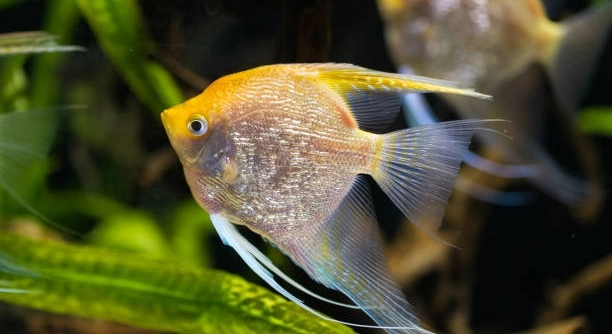
Angelfish are often admired for their beauty and grace in the aquarium. However, if you notice your angelfish swimming in circles, it may indicate an issue that needs attention. Understanding the reasons behind this behavior can help improve your fish’s well-being.
Swimming in circles can be a sign of stress, illness, or poor water conditions in angelfish. Common causes include water quality issues, overcrowding, or a lack of environmental enrichment. It is essential to identify the underlying cause to address the behavior effectively.
By understanding the reasons behind this behavior, you can take steps to improve your angelfish’s environment and overall health. This article will guide you through the potential causes and solutions.
Poor Water Quality
One of the main reasons your angelfish may swim in circles is poor water quality. Angelfish are very sensitive to changes in their environment. Ammonia, nitrites, and nitrates can build up in the tank if the water is not properly filtered. High levels of these chemicals can cause stress and discomfort, leading to abnormal swimming patterns. Regular water changes and maintaining a consistent cleaning schedule are essential to avoid this issue. Ensuring your tank is adequately filtered and testing the water frequently can help you maintain a healthy environment for your angelfish.
A dirty or unfiltered tank can increase stress in fish, causing them to swim erratically.
To keep your angelfish healthy, test the water regularly and clean the tank frequently. This includes checking ammonia and nitrate levels and ensuring the filtration system is functioning correctly. If the water quality is poor, the fish may swim in circles as a sign of distress. A clean, well-maintained tank is key to promoting good health and normal behavior in your angelfish.
Overcrowding
Overcrowding is another issue that can cause your angelfish to swim in circles. When there are too many fish in the tank, it creates a stressful environment. Angelfish, like many species, require space to swim freely. If they are confined to a small area, they may exhibit abnormal behaviors such as swimming in circles. The tank should be large enough to accommodate all its inhabitants, allowing each fish enough space to move around comfortably.
Ensure there are not too many fish in the tank relative to its size. Overcrowding leads to stress, which is reflected in abnormal swimming patterns. It’s essential to provide sufficient space for each angelfish to thrive.
Stress from Lack of Hiding Spots
Angelfish are shy and need places to hide. Without hiding spots, they feel vulnerable and stressed, which can lead to erratic behavior like swimming in circles. Adding plants, rocks, or decorations can give them a sense of security and reduce anxiety.
Providing enough hiding spots will create a more peaceful and comfortable environment for your angelfish. Without these safe spaces, they may feel exposed and become agitated. This stress can lead to abnormal swimming patterns as the fish try to find a sense of safety. It’s important to create a balanced environment with both open swimming space and places for your fish to hide when they need to.
By giving your angelfish areas where they can retreat when stressed, you’ll help them feel more secure. When angelfish have access to these safe spots, their behavior will often improve. Consider adding aquarium plants, driftwood, or caves to provide more hiding places. With less stress, your fish will be more likely to display normal, healthy swimming patterns.
Water Temperature Fluctuations
Angelfish are sensitive to changes in water temperature. If the temperature fluctuates too much, it can cause stress, leading to abnormal behavior such as swimming in circles. Maintaining a stable water temperature is crucial for keeping your angelfish calm.
Sudden temperature changes or rapid fluctuations can disrupt the fish’s metabolism and cause stress. Angelfish thrive in warm water, ideally between 76-82°F (24-28°C). It’s essential to keep the tank’s temperature stable by using a reliable aquarium heater. Check the water temperature regularly with a thermometer to ensure it stays within the recommended range.
A fluctuating environment can also weaken the fish’s immune system, making them more susceptible to illness. Stress from temperature changes may also cause your angelfish to swim in circles as a sign of distress. Maintaining a consistent and stable water temperature will help prevent this behavior and keep your fish healthy.
Poor Diet
Angelfish need a balanced diet to stay healthy. If they aren’t getting the proper nutrients, it can lead to health issues and abnormal behavior. Ensure that you are feeding them a variety of high-quality foods, such as flakes, pellets, and occasional live food.
A poor diet can affect their overall health and make them more prone to stress. If your angelfish isn’t receiving the right nutrients, their immune system may weaken. This weakness can make them more susceptible to illnesses, which could cause them to exhibit unusual behaviors like swimming in circles.
Incorporating a variety of foods into their diet will keep them healthy and reduce the likelihood of abnormal behavior. Offering both plant-based and protein-rich foods ensures that your angelfish gets the right balance of nutrients. A well-fed fish is generally more active and behaves normally, reducing the chances of swimming in circles.
Illness or Infection
Angelfish can suffer from various illnesses or infections that lead to abnormal behavior. If your fish appears sluggish or disoriented, swimming in circles could be a symptom of something more serious, such as a parasite or bacterial infection. Seek treatment if you suspect illness.
Common symptoms include lethargy, discoloration, and abnormal swimming patterns. It’s essential to act quickly when you notice signs of illness in your angelfish. If a parasite or bacteria is causing the swimming in circles, isolating the affected fish and providing medication can help. Monitoring water quality and temperature is also crucial to preventing future infections. Prompt action and proper care can prevent further complications.
Inadequate Tank Size
Angelfish require ample space to swim. If the tank is too small, they may feel restricted, causing stress. Overcrowding or a cramped tank can make it difficult for them to move around comfortably, leading to circular swimming behavior. Provide a larger tank if necessary.
FAQ
Why does my angelfish swim in circles all the time?
If your angelfish is swimming in circles constantly, it’s often a sign of stress or discomfort. Poor water quality, overcrowding, or insufficient hiding spots can all contribute to this behavior. Ensure your tank is properly maintained with clean water and adequate space. Make sure your fish has safe spots to retreat to when needed.
How can I fix the issue of my angelfish swimming in circles?
To fix this issue, start by checking your water quality. Test for ammonia, nitrites, and nitrates, and do regular water changes. Consider adjusting the tank’s size if it’s overcrowded. Add plants or decorations to give your angelfish hiding spots and reduce stress. Keep the water temperature stable and ensure the fish is getting a balanced diet.
Can swimming in circles be a sign of illness?
Yes, swimming in circles can sometimes be a sign of illness, especially if the fish is also showing signs of lethargy, abnormal coloration, or loss of appetite. Parasites or bacterial infections can cause this behavior. If you suspect illness, isolate the fish and treat it with appropriate medication.
What are the best tank conditions for angelfish?
Angelfish thrive in a tank with clean, filtered water and a stable temperature of 76-82°F (24-28°C). The tank should have enough space for swimming and hiding spots for security. Ensure the water is slightly acidic to neutral (pH 6.5-7.5). Regular maintenance is key to keeping angelfish healthy.
How do I know if my angelfish is stressed?
Signs of stress in angelfish include abnormal swimming patterns (like swimming in circles), hiding excessively, loss of appetite, and changes in color. If your fish shows these symptoms, assess water quality, tank size, and the overall environment to identify the stressor. Addressing the underlying cause will help reduce the stress.
Is my angelfish swimming in circles due to poor water quality?
Poor water quality is one of the most common causes of abnormal swimming behavior. High levels of toxins like ammonia or nitrites can stress your angelfish, leading to erratic swimming. Make sure to test the water regularly and perform water changes as needed. A reliable filtration system is crucial for maintaining water quality.
What should I do if my angelfish is swimming in circles due to overcrowding?
If overcrowding is the cause, you’ll need to move some fish to another tank. Angelfish require a minimum tank size of 30 gallons for a pair, with additional space for each new fish. Reducing the number of fish in the tank will help alleviate stress and allow your angelfish to swim more freely.
Can temperature fluctuations cause my angelfish to swim in circles?
Yes, sudden changes in water temperature can stress your angelfish, leading to abnormal behaviors. Angelfish prefer a consistent temperature range of 76-82°F (24-28°C). Use a reliable aquarium heater to maintain a stable temperature and avoid rapid fluctuations, which can weaken the fish’s immune system and cause stress-related behaviors.
Are there any specific diseases that cause angelfish to swim in circles?
Yes, certain diseases, like swim bladder disorder, can cause abnormal swimming behavior, including swimming in circles. Parasites, bacteria, and fungal infections can also result in erratic movement. If you notice other symptoms like bloating or visible lesions, consider consulting an aquarium specialist for proper diagnosis and treatment.
How can I improve my angelfish’s diet to prevent abnormal swimming?
A balanced diet is crucial for your angelfish’s health. Feed them a mix of high-quality flakes, pellets, and occasional live or frozen food. Ensure they get both plant-based and protein-rich options to maintain a healthy immune system. Proper nutrition can prevent illnesses that might cause abnormal swimming behavior.
What can I do to prevent my angelfish from swimming in circles due to stress?
To prevent stress-related swimming in circles, focus on creating a calm environment. Provide plenty of space for your angelfish to swim, add hiding spots like plants or rocks, and keep the water clean. Regular maintenance of the tank and proper care will go a long way in reducing stress.
How often should I clean my angelfish’s tank to prevent swimming in circles?
You should clean your angelfish’s tank at least once a week, performing partial water changes to maintain water quality. Clean the filter and remove any debris to ensure proper filtration. Keep an eye on the ammonia, nitrite, and nitrate levels to prevent any buildup that could stress your fish.
Can lack of hiding spots cause my angelfish to swim in circles?
Yes, if your angelfish doesn’t have enough places to hide, it can become stressed and swim in circles. Angelfish are naturally shy and need secure areas to retreat to. Adding plants, caves, or decorations to your tank will help reduce their anxiety and encourage more natural behavior.
What size tank is best for angelfish to prevent swimming in circles?
Angelfish need a minimum of 30 gallons of water to swim comfortably. A tank that is too small can make them feel confined, leading to stress and abnormal swimming patterns. A larger tank provides more space for your angelfish to move around, improving their overall health and behavior.
Can water changes help stop my angelfish from swimming in circles?
Yes, regular water changes can improve water quality, reducing stress and preventing swimming in circles. Test the water before each change to ensure there are no harmful toxins. Perform a partial water change of about 25% each week to keep the tank environment healthy for your angelfish.
What kind of decorations are best for reducing stress in angelfish?
Plants, driftwood, and rocks are ideal decorations to reduce stress in angelfish. They provide hiding spots and help mimic the fish’s natural environment. Just ensure there are enough open swimming areas as well, so the fish feel secure without feeling confined.
Final Thoughts
Angelfish swimming in circles can be caused by a variety of factors, including stress, poor water quality, illness, and overcrowding. It’s important to first identify the root cause of the behavior to address it effectively. Proper tank conditions, a balanced diet, and regular maintenance are key to keeping your angelfish healthy and reducing stress. Monitoring water quality and ensuring your fish has enough space and hiding spots will help create a more comfortable environment for them.
If you notice your angelfish swimming in circles, take a closer look at their environment. Begin by checking water parameters like pH, ammonia, nitrites, and nitrates. Poor water quality can lead to many health problems and cause unusual swimming patterns. Ensuring the tank is large enough for your angelfish to move freely and providing them with plants or decorations to hide in can help reduce stress. Overcrowding can also be a significant cause of behavior changes, so it’s important to make sure your tank isn’t too full.
Additionally, don’t overlook the importance of diet and illness prevention. A well-balanced diet will support your angelfish’s immune system and overall health. If you suspect your angelfish may be ill, it’s crucial to act quickly by isolating the fish and seeking treatment. Keeping a close eye on your fish and taking timely action when needed will help ensure they lead a healthy and happy life.

Hello,
If you enjoy the content that we create, please consider saying a "Thank You!" by leaving a tip.
Every little bit helps us continue crafting quality advice that supports the health, happiness, and well-being of pets around the world, for pets of all shapes, sizes, and species.
We really appreciate the kindness and support that you show us!