
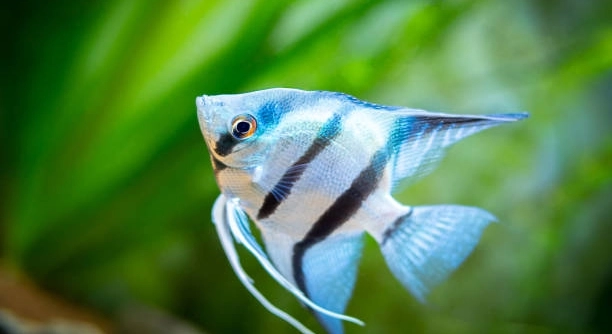
Are your angelfish not growing as expected? Many aquarium enthusiasts find themselves in this situation and may feel unsure about the next steps. Understanding the possible reasons behind slow growth can help restore balance in your tank.
The primary reasons for slow angelfish growth include poor water quality, inadequate diet, incorrect tank conditions, stress, and overstocking. These factors can hinder your fish’s growth and development, often leading to health issues if not addressed properly.
Knowing what affects your angelfish’s growth will allow you to make adjustments and ensure their health. Let’s explore how to provide the best care for them.
Water Quality and Tank Conditions
Water quality plays a major role in the growth of your angelfish. If the water is dirty, too acidic, or has an improper temperature, it can significantly hinder their growth. Angelfish thrive in clean water with a pH between 6.5 and 7.5, and temperatures ranging from 76°F to 82°F. Regular water changes are crucial to maintain good water quality. If you don’t monitor the levels of ammonia, nitrites, and nitrates, toxins may build up, affecting the fish’s health and growth.
Make sure your filter is running properly and clean it frequently. Poor filtration can leave toxins in the water, causing stress. This stress leads to stunted growth, leaving your fish underdeveloped. Keep a consistent water change routine to help your fish thrive.
The right water conditions make a big difference in how your angelfish develop. Stable and clean water will not only ensure they grow properly but also help avoid common diseases. Keep a check on the tank’s parameters to keep your angelfish healthy and growing strong.
Diet and Feeding Habits
Angelfish require a well-balanced diet to grow at their full potential. Feeding them a variety of high-quality food helps meet their nutritional needs. While they enjoy live foods like brine shrimp, you can also offer flakes, pellets, and frozen foods to ensure they get proper nutrients.
A diet that lacks essential vitamins and minerals can slow down your angelfish’s growth. Overfeeding can also lead to digestive issues or poor water quality. Provide them with the right amount of food and remove uneaten portions to avoid water pollution.
By offering a diverse and balanced diet, you help your angelfish grow to their full size. Consistent, appropriate feeding is key to their overall health and development.
Overstocking the Tank
Overcrowding can have a direct impact on the growth of your angelfish. When there are too many fish in a tank, it increases competition for resources such as food and space. This can cause stress, slowing their growth and even leading to health problems.
Fish that are stressed due to overcrowding are less likely to thrive. The reduced oxygen levels and limited space in a crowded tank create an environment where your angelfish can’t grow to their full potential. Additionally, fish are more likely to become territorial, leading to fighting and further stress.
To avoid overstocking, carefully consider the size of your tank and the number of fish you keep. A general guideline is to have no more than one inch of fish per gallon of water. Keeping a low stocking density will allow your angelfish to have enough space to grow and feel secure.
Stress from Environmental Factors
Environmental factors such as sudden temperature changes, loud noises, or high tank light intensity can cause stress to your angelfish. When they are stressed, their immune systems weaken, making it harder for them to grow. Stressed fish will also eat less and become lethargic, which hinders development.
Temperature fluctuations are especially harmful to angelfish. Keeping the water temperature stable within the optimal range (76°F to 82°F) is critical for their growth. Sudden changes in the water’s temperature can cause stress and affect their digestion and metabolism, slowing down their growth rate.
Ensure your tank is placed in a quiet area, away from direct sunlight or sudden temperature changes. Adding a tank heater will help maintain consistent warmth, and covering the tank can help reduce the impact of bright lighting and disturbances. These small changes can improve your fish’s health and encourage growth.
Incorrect Tank Setup
The wrong tank setup can stunt your angelfish’s growth. A tank that’s too small, or has poor filtration, limits their space and access to clean water. Both of these factors can slow down their development. Ensure your tank is large enough to provide ample room for swimming and proper water flow.
Angelfish require a minimum of a 20-gallon tank, with larger tanks being even better for their growth. A tank that’s too small can make them feel cramped, leading to stress. Providing the right tank setup is essential to their health and ensures they grow without hindrance.
Poor Water Circulation
Good water circulation is necessary to keep the environment healthy. If the water in the tank isn’t circulating properly, it can lead to dead spots where toxins and waste build up. This affects your angelfish’s health and growth. Poor circulation can also limit oxygen levels, causing your fish to become stressed and slow-growing.
A good filtration system combined with a gentle water pump can improve circulation. Ensure that the water moves consistently throughout the tank without being too strong, as angelfish don’t like fast-moving water. This balance is key to their overall well-being.
Insufficient Light
Lighting affects both the health of your angelfish and the plants in the tank. Without proper lighting, your fish may not feel fully comfortable, which can cause stress and hinder growth. Ensure your tank has enough light to maintain a natural day-night cycle. This helps regulate your angelfish’s sleep patterns and overall behavior.
FAQ
Why is my angelfish not growing properly?
Several factors can contribute to slow growth in angelfish. Poor water quality, improper diet, inadequate tank size, overstocking, and stress are common causes. These elements impact your angelfish’s ability to thrive, affecting both their growth rate and health. Ensure you maintain clean water, provide a balanced diet, and create a stress-free environment to encourage growth.
How often should I feed my angelfish to promote growth?
Feeding your angelfish two to three times a day with a variety of foods, such as flakes, pellets, and live or frozen food, will help them grow faster. Be sure not to overfeed, as this can pollute the water. Offer small portions and remove any uneaten food to keep the water clean.
Can angelfish grow in small tanks?
Angelfish need space to grow. A small tank can limit their growth, causing stress and health issues. A 20-gallon tank is the minimum, but a larger tank will help your angelfish grow more comfortably. Providing enough room will also reduce the risk of territorial disputes with other fish.
How can I improve the water quality for my angelfish?
To improve water quality, perform regular water changes of 25-30% every 1-2 weeks. Test the water for ammonia, nitrites, and nitrates, ensuring these levels stay within safe ranges. Install a good filtration system to keep the water clean and provide aeration to ensure oxygen levels remain high for your fish.
What temperature is ideal for angelfish growth?
Angelfish thrive in water temperatures between 76°F and 82°F. Keeping the water temperature stable within this range promotes better digestion and metabolism, leading to healthier growth. Avoid sudden temperature changes, as these can cause stress, slow their growth, and increase the risk of illness.
What kind of water conditions do angelfish need?
Angelfish prefer a slightly acidic to neutral pH, between 6.5 and 7.5. Ensure the water is free of toxins like ammonia and nitrites, which can harm your fish and slow their growth. Regularly test the water and perform water changes to maintain these ideal conditions.
Can stress affect the growth of my angelfish?
Yes, stress is one of the major factors that can slow down an angelfish’s growth. Stress can be caused by overcrowding, sudden changes in temperature, aggressive tank mates, or poor water conditions. Minimizing stress by keeping the tank environment stable and peaceful will help your angelfish grow properly.
Is overfeeding my angelfish bad for their growth?
Overfeeding can lead to water pollution, which negatively affects your angelfish’s growth. Excess food decays, causing toxins like ammonia to build up in the water. This can stress your fish and hinder their growth. Feed them appropriate portions and remove any leftover food to prevent these problems.
How long does it take for angelfish to grow to full size?
Angelfish generally take about 1 to 2 years to reach their full size, depending on the conditions of their environment. If the water quality, diet, and tank setup are ideal, they will grow more rapidly. However, poor conditions can delay their growth and overall development.
Can tank mates affect my angelfish’s growth?
Yes, tank mates can impact your angelfish’s growth. Aggressive or overly active fish can stress your angelfish, leading to slower growth or even health problems. It’s best to keep angelfish with peaceful species that won’t compete too much for space or food. This helps reduce stress and allows for proper growth.
What should I do if my angelfish is not eating properly?
If your angelfish is not eating, check the water quality and temperature. Poor water conditions or fluctuating temperatures can cause loss of appetite. Additionally, ensure the food you’re offering is appropriate and fresh. If the issue persists, it could be a sign of illness, and you should consider consulting an expert.
Is it normal for angelfish to grow slowly?
It is normal for angelfish to have a gradual growth process, especially in the first few months. However, if your fish is growing slower than expected or seems stunted, it could be a sign of underlying issues like poor water quality, diet, or tank conditions. Addressing these factors will help your angelfish grow more efficiently.
Can the type of food I give affect my angelfish’s growth?
Yes, the type of food you provide directly affects your angelfish’s growth. A varied diet with high-quality flakes, pellets, and occasional live or frozen foods ensures they receive all the necessary nutrients for healthy growth. Avoid feeding them solely one type of food, as this can lead to nutritional deficiencies.
Should I add any supplements to the water to help my angelfish grow?
Adding supplements such as aquarium salt can improve your angelfish’s health, but they are generally unnecessary for promoting growth. The most important factors are clean water, the right temperature, and a balanced diet. Supplements should only be used if you are addressing a specific health issue, not as a routine growth aid.
Why does my angelfish seem to have stunted growth?
Stunted growth in angelfish is often caused by poor water quality, an improper diet, stress, or overcrowding. If you notice your fish are not growing properly, start by checking the tank’s water conditions and adjusting the care routine. A stable environment with a balanced diet will encourage proper growth.
Can lighting affect the growth of angelfish?
Lighting can impact angelfish indirectly. Too much light can cause stress and disrupt their day-night cycle, which may lead to slower growth. Keep the light cycle consistent, aiming for about 10-12 hours of light per day. This helps regulate your fish’s behavior and promotes healthy growth.
What are the signs that my angelfish is stressed and not growing?
Signs of stress in angelfish include hiding, reduced appetite, rapid gill movement, and a lack of activity. These symptoms can hinder growth, so addressing the stressors in their environment is essential. Ensure the water quality is optimal, the tank is not overcrowded, and there are no aggressive tank mates.
Final Thoughts
Angelfish are beautiful and graceful creatures, but achieving their full growth potential requires the right care. The key factors in ensuring they grow as expected include maintaining optimal water quality, providing a balanced diet, and offering enough space for swimming. A well-kept tank with proper filtration and temperature settings creates a healthy environment that supports their growth. Regular maintenance, such as water changes and testing, is essential to ensure these factors remain consistent.
It’s also important to consider their stress levels. Stress can greatly impact the growth of angelfish. Overcrowding, aggressive tank mates, or poor water conditions can all contribute to stress, slowing down their growth. A peaceful, stable environment with compatible tank mates will help your angelfish feel secure and comfortable, encouraging them to grow. Monitoring their behavior and making changes as needed will ensure that stress doesn’t hold them back.
Finally, patience is essential when caring for angelfish. Growth can be a slow process, and factors like genetics can play a role in their size and rate of development. It’s important to give them time to reach their full potential. With proper care, angelfish can grow to their desired size, and maintaining the right tank conditions will help them thrive. Understanding and addressing these factors will ensure your angelfish stay healthy and grow as expected.

Hello,
If you enjoy the content that we create, please consider saying a "Thank You!" by leaving a tip.
Every little bit helps us continue crafting quality advice that supports the health, happiness, and well-being of pets around the world, for pets of all shapes, sizes, and species.
We really appreciate the kindness and support that you show us!