
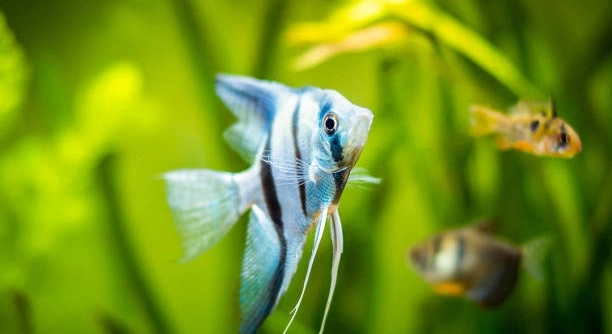
Have you recently introduced a new fish to your angelfish tank and noticed some changes in your angelfish’s behavior? These shifts can seem confusing, especially if they appeared suddenly after the new addition.
The most common reason your angelfish is acting differently is stress caused by the presence of a new tank mate. This change can trigger territorial behavior, disrupted routines, or even health-related responses depending on compatibility and tank conditions.
Understanding the reasons behind these changes can help you create a peaceful and balanced aquarium environment for all your fish.
Stress from Territory Changes
Angelfish are known for forming territories, especially in established tanks. When a new tank mate is introduced, it can disrupt their sense of control. The angelfish may feel threatened, especially if the newcomer moves through or settles in their usual area. This type of change can lead to erratic swimming, hiding, or even aggression. Stress from territorial competition may also affect their appetite or cause them to stay in one section of the tank. A once calm fish may suddenly become skittish or defensive. These reactions are the angelfish’s natural way of adjusting to what they see as a shift in their environment. While this behavior may resolve over time, it’s important to monitor interactions and ensure that all fish have enough space and hiding areas. Rearranging decorations or plants can help reset territories, giving your angelfish a better chance to accept the new tank mate peacefully.
Some angelfish may take longer to adjust, depending on their temperament and prior experience with other tank mates.
Keeping tank layout flexible with visual barriers like plants or rocks helps break sightlines and reduce tension. It’s also helpful to avoid overcrowding and to research fish compatibility beforehand. These steps help your angelfish feel safe again more quickly.
Changes in Tank Dynamics
A new tank mate affects more than just space—it alters the social structure, too. Angelfish might respond by shifting their behavior, showing signs of dominance or retreat.
When you add another fish, the angelfish doesn’t just see it as extra company—it’s a complete change in rhythm. They may lose a favored hiding spot or be forced to share areas they once claimed alone. Some angelfish respond to this with curiosity, while others react with caution or even hostility. Social hierarchy among fish is delicate, and one change can cause ripple effects. If the new fish is active or assertive, your angelfish may become more reserved or agitated. Sometimes, peaceful tank mates may even be perceived as a threat simply due to their size or movement. Providing hiding spaces and dividing the tank visually with plants or rocks can ease this transition. Watch for subtle shifts in swimming patterns, feeding behavior, or positioning in the tank, as these often indicate how well your angelfish is adapting to the change.
Aggression or Defensive Behavior
Angelfish may act more aggressive or defensive when a new tank mate is added. This is a natural reaction to change, especially if they feel their space is being invaded or if the new fish behaves unpredictably.
Aggression can appear in many ways—chasing, fin nipping, or persistent hovering near the new fish. Defensive behaviors like hiding or flaring fins are also common. These actions usually mean the angelfish is asserting dominance or trying to protect what it sees as its space. In tanks that are too small or lack hiding areas, tension builds faster. It helps to introduce new tank mates during feeding time or after rearranging tank decor to reduce territorial behavior. Make sure the tank has enough vertical and horizontal space, and try to keep angelfish with peaceful, similar-sized species. Sometimes, placing a divider for a few days gives both fish time to adjust without conflict.
If aggression continues for several days or escalates, the angelfish may not be compatible with the new tank mate. In that case, you may need to separate them. Watch closely for injuries or signs of stress like clamped fins, fast breathing, or loss of appetite. Not all angelfish are tolerant of newcomers, especially in pairs or breeding groups.
Personality Differences
Not all angelfish behave the same. Just like people, they have different temperaments. Some are shy and sensitive to changes, while others are bold and territorial, making them react strongly to new tank mates.
These personality traits often become more noticeable after a change in the tank environment. A typically calm angelfish may become withdrawn, while a confident one might act overprotective of its space. This shift doesn’t always mean something is wrong. It’s just a sign that your angelfish is processing the new dynamic in its own way. Providing places to hide and open swimming areas can help both fish feel comfortable. It’s also important to give them time. Adjusting can take several days or even weeks, depending on the fish. Try not to move things around too often once they begin settling in. A stable routine helps them feel secure again and encourages more balanced interactions in the tank.
Health Concerns Triggered by Stress
Stress from a new tank mate can weaken your angelfish’s immune system. This may lead to issues like white spots, fin rot, or cloudy eyes if water conditions aren’t ideal or the fish already had mild symptoms.
Watch for changes in appetite, color, or energy levels. These are early signs something might be wrong.
Disrupted Feeding Behavior
When angelfish feel stressed or threatened, they may stop eating or avoid certain areas during feeding time. This can lead to nutrition problems if not addressed quickly. Make sure food is reaching all fish and adjust feeding zones if needed.
Unstable Water Parameters
A new fish increases the bioload, which affects ammonia, nitrite, and nitrate levels. Angelfish can become stressed if these parameters shift even slightly. Use test kits regularly after introducing a new tank mate to catch changes early and keep the water stable.
FAQ
Why is my angelfish suddenly hiding after a new tank mate was added?
Angelfish can hide due to stress from a new tank mate. This behavior is common when they feel their space is threatened or when they’re not sure about the new addition. Over time, as they get used to the new fish, the hiding behavior should decrease. Make sure the tank has plenty of hiding spots and plants to help them feel secure. If the hiding continues, check for signs of illness or injury, as this could also cause them to retreat.
How can I tell if my angelfish is stressed due to a new tank mate?
Stressed angelfish often show signs like fast or erratic swimming, hiding, loss of appetite, or darkening of their color. They may also exhibit territorial aggression, chasing the new fish or even flaring their fins. Monitor their behavior for any sudden changes, especially during the first few days after introducing the new fish. If stress levels are high, consider adding more plants or decorations to create natural barriers and reduce visible interactions between the fish.
What should I do if my angelfish is becoming aggressive after adding a new fish?
If aggression occurs, first assess the size and temperament of both fish. Some angelfish are naturally more territorial, especially when there is a new fish. Rearranging tank decorations or providing more hiding spots can reduce the sense of threat. If the aggression continues, separating the two fish temporarily with a divider might help them adjust. Keep a close watch for physical signs of aggression, such as nipped fins or wounds, and separate them if needed.
How long will it take for my angelfish to adjust to a new tank mate?
It can take anywhere from a few days to a few weeks for angelfish to adjust to a new tank mate. The time frame depends on the fish’s personality, tank environment, and the new fish’s behavior. During this period, you may notice behavioral shifts, such as hiding, altered swimming patterns, or territorial disputes. Be patient and allow time for them to adapt. If no improvement is seen after several weeks, it may be a sign of incompatibility.
Can adding more fish to the tank help reduce stress for my angelfish?
In some cases, adding more fish may help distract the angelfish and reduce its stress. However, this depends on the tank size, the number of fish already present, and the species compatibility. Overstocking a tank can increase competition for space and food, which could worsen the stress. If the tank is large enough and the fish are compatible, adding peaceful tank mates could help balance the environment. Always introduce new fish gradually to avoid overwhelming the existing ones.
Should I be concerned if my angelfish is not eating after a new fish was added?
Loss of appetite in angelfish after a new addition can be a sign of stress. If the tank mate is perceived as a threat, the angelfish may refuse to eat. However, if the lack of eating continues for more than a few days, it could indicate other health issues. Monitor the fish for signs of illness, such as clamped fins or lethargy. You may want to separate the new fish temporarily to reduce the stress and offer food in a quiet, separate area to encourage the angelfish to eat.
How can I prevent aggression when introducing new fish to my angelfish tank?
To prevent aggression, introduce new fish slowly and ideally during a feeding time when both fish are distracted. Consider using a tank divider for a few days so the angelfish can adjust to the presence of the new fish without feeling threatened. Additionally, ensure the new tank mate is compatible in terms of size and temperament. Avoid introducing overly aggressive or fast-moving fish that could stress out the angelfish. Also, rearranging the tank decor can help reset territorial boundaries, making it easier for the fish to coexist peacefully.
Is it normal for my angelfish to stop swimming in the open after a new tank mate arrives?
Yes, it is normal for angelfish to avoid swimming in the open after a new tank mate is introduced. This is often a defensive behavior. Angelfish may feel vulnerable, especially if they perceive the new fish as a threat. They may seek shelter in plants or other tank structures to feel safer. If this behavior continues for several days, it could be a sign of high stress, and you should consider adjusting the tank environment to reduce tension.
What should I do if my angelfish keeps chasing the new fish?
If your angelfish is chasing the new fish, this is likely a sign of territorial behavior or stress. To address this, rearrange the tank decorations to break up sight lines and reduce territorial boundaries. You could also try adding more hiding places to give the angelfish and new fish space. If the aggression doesn’t subside after a few days, using a tank divider for a short time could give both fish time to adjust separately before reintroducing them.
Will adding a new tank mate affect my angelfish’s health?
Introducing a new tank mate can affect your angelfish’s health, particularly if it causes stress. Stress can weaken their immune system, making them more susceptible to illnesses. It’s important to monitor your angelfish closely for signs of illness, such as cloudy eyes, fin rot, or unusual swimming behavior. Keeping water parameters stable and providing a calm environment with plenty of hiding spots can help minimize stress and protect their health. If aggression or stress continues, separating the fish may be necessary to avoid long-term health issues.
Final Thoughts
When introducing a new tank mate to your angelfish’s environment, it’s important to remember that fish can be sensitive to changes in their surroundings. While some fish will adjust quickly, others may take longer to get comfortable. It’s normal for an angelfish to act differently during this adjustment period, showing signs of stress, aggression, or hiding. Giving your fish time to acclimate and ensuring that the tank has adequate space and hiding spots can help ease this transition.
Monitoring the water quality and ensuring the tank environment is optimal for all fish is key. A change in the bioload, due to the introduction of a new fish, can affect water parameters. This can stress out your angelfish, especially if the water becomes polluted or the temperature fluctuates. Regular water testing and maintenance are essential to keep your fish healthy and to prevent any negative reactions from stress. Avoid overstocking the tank and ensure that all fish have enough space to swim and establish their territory.
In most cases, with time and patience, your angelfish will adjust to their new tank mate and return to normal behavior. However, if aggression or stress persists, it may be a sign that the two fish are not compatible. In such cases, it’s best to separate them to prevent further harm. Always observe your fish closely, and don’t hesitate to rearrange the tank or use dividers to give them a chance to adjust gradually. With proper care, your angelfish and its new companion should coexist peacefully in their shared home.

Hello,
If you enjoy the content that we create, please consider saying a "Thank You!" by leaving a tip.
Every little bit helps us continue crafting quality advice that supports the health, happiness, and well-being of pets around the world, for pets of all shapes, sizes, and species.
We really appreciate the kindness and support that you show us!