
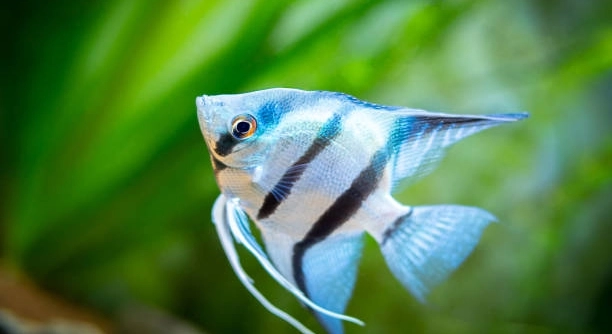
Angelfish are fascinating creatures, but when they start moving their fins rapidly, it can be concerning. There are several reasons behind this behavior, which can range from environmental changes to health issues.
The rapid fin movement in angelfish is commonly caused by stress, excitement, or poor water quality. It can also indicate discomfort, such as from illness or overcrowded tanks. Monitoring their environment and health is essential for determining the cause.
By understanding the reasons behind this behavior, you’ll be better equipped to ensure your angelfish stays happy and healthy in its home.
Stress from Environmental Changes
Angelfish are sensitive to changes in their environment, which can lead to rapid fin movements. Sudden shifts in water temperature, lighting, or tank placement may make them uneasy. Additionally, if you’ve recently introduced new tank mates or rearranged decorations, your angelfish may become stressed by the unfamiliar surroundings. This stress can manifest as quick fin movement or even more extreme behaviors like hiding or aggression.
The best way to prevent this is by ensuring your fish’s habitat remains stable. Gradually introduce changes to avoid shocking the angelfish. Keep the water temperature consistent and maintain regular water changes to avoid any sudden fluctuations.
If you notice rapid fin movements after environmental changes, it’s a sign your angelfish may need time to adjust. Be patient and make sure their environment is comfortable. A calm and familiar space will help reduce their stress and promote healthy behavior.
Poor Water Quality
Water quality plays a major role in the health of your angelfish. Poor water conditions, such as high ammonia, nitrite, or nitrate levels, can stress fish and cause rapid fin movements. If your filtration system isn’t effective or the tank hasn’t been cleaned in a while, the water can become polluted. This negatively affects your fish’s health, making them more prone to stress or illness.
Regular water testing is essential to keep everything in check. Make sure your filtration system is working properly and perform water changes regularly. Testing kits are available to measure ammonia, nitrites, and nitrates, giving you the tools to maintain a healthy tank environment.
By maintaining water quality, you can prevent many health issues and improve your angelfish’s overall well-being. Clean, balanced water helps your angelfish feel comfortable and reduces the chances of stress-related behaviors like rapid fin movement.
Illness or Injury
If your angelfish is moving its fins rapidly, it might be dealing with an illness or injury. This behavior can be a sign of discomfort or an attempt to alleviate pain. Diseases like fin rot or parasites could be the cause of distress. Injuries from aggressive tank mates or sharp objects in the aquarium can also lead to rapid fin movements.
To address this, observe your angelfish for other signs of illness, such as faded colors, torn fins, or lethargy. If any of these symptoms appear, it’s important to isolate the affected fish to prevent the spread of illness. Quarantine tanks with specific treatments can help.
Treating the issue involves maintaining excellent water quality and potentially using medicinal products for common fish diseases. Regular observation and care are key. If the fish doesn’t improve, a veterinarian who specializes in fish can help identify the cause and suggest a treatment plan.
Tank Overcrowding
Overcrowding in a tank can cause stress and territorial disputes, leading to rapid fin movement. Angelfish, like many fish, need space to swim and establish territories. When there are too many fish in the tank, they might constantly feel threatened or trapped. This causes anxiety, which can be expressed through rapid movements.
To prevent this, research the recommended tank size for your angelfish and avoid overstocking the aquarium. A general rule is to provide at least 10 gallons of water per angelfish, with additional space for each new fish. Adding plenty of plants, hiding spots, and decorations can also reduce territorial disputes and help your angelfish feel secure.
In overcrowded tanks, angelfish often show signs of aggression or stress. This behavior can be minimized by keeping the population low, ensuring plenty of space for each fish, and maintaining a balanced environment with proper filtration.
Temperature Fluctuations
Angelfish are sensitive to temperature changes. Rapid shifts can cause them to react by moving their fins quickly. Water that is too hot or too cold can stress your fish, leading to abnormal behavior like this. It’s important to keep the water temperature stable to prevent discomfort.
Maintain a consistent temperature between 76°F and 82°F. Use a reliable aquarium heater and thermometer to monitor the water regularly. Sudden temperature changes can lead to stress, illness, or even death if not corrected. Ensure your tank’s heating system works efficiently to keep the water within the ideal range for your angelfish.
Water Chemistry
Poor water chemistry, particularly incorrect pH levels, can cause your angelfish to move its fins rapidly. Angelfish prefer a slightly acidic to neutral pH, around 6.5 to 7.5. If the pH level shifts dramatically, they may react by displaying unusual behaviors like quick fin movements.
Testing the water regularly with a pH testing kit can help you stay on top of any fluctuations. If the pH is too high or low, adjust it gradually using safe methods, like adding pH buffers. Keeping the water chemistry in check is crucial to the health and behavior of your fish.
FAQ
Why is my angelfish moving its fins rapidly?
Rapid fin movements in angelfish are often a sign of stress, excitement, or discomfort. This could be due to poor water quality, overcrowding, sudden temperature changes, or an injury. Monitoring your fish for other signs like illness, aggression, or changes in behavior can help pinpoint the exact cause.
Can rapid fin movement be a sign of illness?
Yes, illness can cause rapid fin movement in angelfish. Diseases like fin rot, parasites, or fungal infections often cause the fish to behave abnormally. If your angelfish shows signs like torn fins, faded color, or lethargy along with rapid fin movement, it’s a good idea to isolate it and seek treatment.
How can I reduce stress for my angelfish?
To reduce stress, ensure your angelfish has a stable environment. Avoid drastic changes in water temperature, pH, or tank decorations. Keep the water clean, provide hiding spots, and avoid overcrowding. Regular water changes and a balanced, peaceful tank environment will also help.
What is the ideal water temperature for angelfish?
Angelfish thrive in water temperatures between 76°F and 82°F. Fluctuations outside of this range can cause stress, leading to rapid fin movement. Use a reliable aquarium heater and thermometer to maintain a stable temperature, and check the water regularly to avoid any sudden changes.
Could overcrowding be causing my angelfish to move its fins rapidly?
Yes, overcrowding can lead to stress and territorial disputes among fish, causing rapid fin movements. Ensure that your angelfish has enough space to swim and establish a territory. A good rule of thumb is 10 gallons of water per angelfish. Keep your tank population balanced and well-spaced.
How often should I clean my angelfish tank to avoid stress?
You should clean your angelfish tank regularly to maintain good water quality and prevent stress. Perform partial water changes of 25-30% weekly, and clean the substrate to remove debris. A reliable filtration system is also essential to keep the water clean and healthy.
Are water chemistry issues causing my angelfish’s rapid fin movement?
Yes, poor water chemistry, particularly an unstable pH level, can cause stress and rapid fin movement in angelfish. Angelfish prefer a pH between 6.5 and 7.5. Test the water regularly with a pH kit, and adjust the levels gradually if needed to keep your fish comfortable.
Can I fix rapid fin movement by adding more tank mates?
Adding tank mates can sometimes help if your angelfish is feeling lonely or stressed due to isolation. However, adding too many fish in a small tank can lead to overcrowding, which may increase stress and worsen the issue. Make sure to research compatible species and provide ample space.
Is rapid fin movement always a sign of distress in angelfish?
While rapid fin movement is often a sign of stress or discomfort, it’s not always the case. Angelfish may also move their fins quickly when excited or during feeding time. Observing other behaviors, such as aggression or hiding, will give you a clearer idea of the cause.
How can I tell if my angelfish has an injury?
Look for visible signs of injury, such as torn fins, cuts, or redness around the body. If the fish is swimming awkwardly or avoiding certain areas of the tank, it could indicate injury. Injuries can result from aggressive tank mates or sharp decorations. Treat the injured fish by isolating it in a separate tank to prevent infection.
Does the size of my tank affect angelfish behavior?
Yes, the size of your tank directly affects angelfish behavior. Angelfish need enough space to swim freely and establish their own territory. A small tank can lead to stress and territorial disputes, causing rapid fin movements. Ensure your tank is large enough for your fish, with at least 10 gallons per angelfish.
Final Thoughts
Angelfish are beautiful and generally peaceful creatures, but they can show signs of stress or discomfort when their environment isn’t ideal. Rapid fin movements are one of the most common ways they express these issues. Whether it’s due to illness, water quality problems, or other environmental factors, it’s important to take quick action. Regular monitoring of your tank’s water parameters, including temperature, pH, and ammonia levels, will help you spot any potential problems before they escalate. Also, ensure that your angelfish have enough space to swim and that their tank mates are compatible.
Providing a stable and clean environment is the key to keeping your angelfish happy and healthy. Maintaining proper water conditions, like temperature stability and low levels of harmful chemicals, plays a big role in preventing rapid fin movement. In addition, overcrowding can add extra stress, so always stick to the recommended stocking levels for your tank size. Offering hiding spots or plants can help your fish feel secure and reduce aggression or territorial behavior that could contribute to stress. If you notice unusual behaviors like rapid fin movements, it’s always a good idea to perform a quick check on your fish’s surroundings and overall health.
If your angelfish continue to show signs of distress despite taking care of the basics, seeking professional help may be necessary. Fish veterinarians can diagnose specific health problems and recommend treatments to address the issue. By staying proactive with maintenance and being observant of any changes in behavior, you’ll be in a better position to provide a healthy, stress-free environment for your angelfish. This will not only improve their well-being but also ensure they live a long, comfortable life in your aquarium.

Hello,
If you enjoy the content that we create, please consider saying a "Thank You!" by leaving a tip.
Every little bit helps us continue crafting quality advice that supports the health, happiness, and well-being of pets around the world, for pets of all shapes, sizes, and species.
We really appreciate the kindness and support that you show us!