
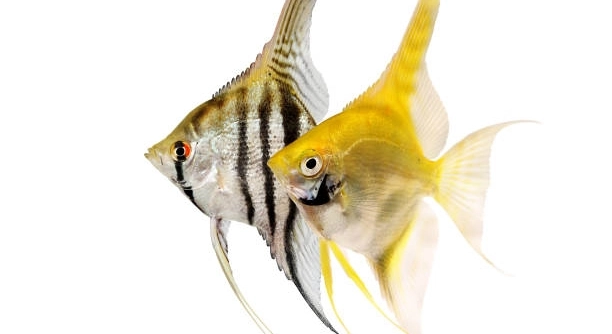
Angelfish are known for their graceful swimming and vibrant colors, but sometimes they can become less active than usual. This behavior might be influenced by various factors that can affect their energy levels and well-being.
There are several factors that can contribute to your angelfish’s activity levels. Proper tank conditions, diet, water quality, and tankmates all play significant roles. Ensuring your angelfish has the right environment and care can promote a more active and healthy lifestyle.
By understanding these factors, you can create an environment where your angelfish thrive and are more engaged in their surroundings. Keep reading to find out what changes you can make.
Proper Tank Conditions
Angelfish are sensitive to changes in their environment. The water temperature should be kept between 76°F and 82°F, as this range helps maintain their energy levels. Water that is too cold or too hot can cause stress and reduce activity. It’s also essential to maintain a consistent water flow, as angelfish prefer calm waters. A strong current can tire them out or make them shy. Make sure the tank has a proper filtration system to keep the water clean and free of harmful substances. Regular water changes are key to preventing toxins from building up, which can also impact your fish’s behavior.
A clean, stable environment promotes healthier, more active fish. Keeping water quality high is just as important as temperature regulation. Stable conditions help your angelfish feel safe and encourage natural behaviors.
One of the easiest ways to improve your angelfish’s activity is by making sure their tank is properly maintained. By staying consistent with water quality and temperature, you’ll likely see a more energetic and engaged fish.
Feeding and Diet
A balanced diet is vital for maintaining your angelfish’s energy levels. Feeding them a variety of high-quality foods can help. They enjoy flakes, pellets, and frozen foods, especially those rich in protein. However, it’s important not to overfeed, as excess food can pollute the water and affect their health. To boost their activity, consider offering live or frozen foods like brine shrimp or bloodworms. These foods are not only nutritious but also stimulate natural hunting instincts, which keeps them engaged.
A healthy diet improves overall health, but too much food can create an unhealthy environment. Ensure you’re offering the right portions at regular intervals. Avoid underfeeding, but also be mindful of water cleanliness after feeding.
Feeding them a variety of live and frozen foods encourages natural hunting behavior and helps your angelfish stay active. Keep your fish well-fed, but avoid overfeeding to maintain water quality.
Tankmates and Social Environment
Angelfish are peaceful but do best in the right social environment. They may become stressed if kept with overly aggressive or overly active tankmates. Fish that are too fast or territorial can cause your angelfish to become shy and less active. Choosing compatible species can encourage them to move around more.
Adding tankmates that match your angelfish’s temperament can help them feel secure. Ideal companions include calmer species like tetras, gouramis, and other peaceful fish. Avoid keeping them with fin-nipping fish or overly large species that might intimidate them. The right social group helps them stay active and engaged.
Creating a peaceful tank setup encourages your angelfish to explore more. When they feel safe and comfortable, they will swim around freely, showing off their vibrant colors and active behavior. This creates a dynamic environment that benefits both your fish and the overall aquarium experience.
Lighting and Tank Decor
Lighting plays a big role in your angelfish’s activity. If the tank is too dark, they may feel more hesitant and stay in hiding. However, too much light can cause stress, so it’s important to find the right balance. Providing dim but adequate lighting encourages natural behavior.
Tank decor also impacts their movement. Plants, rocks, and driftwood can give your angelfish hiding spots to feel safe, while still allowing plenty of space to swim. Overcrowding the tank can limit their activity, so make sure your decorations don’t take up too much space. Creating a balanced layout gives them freedom to move.
Proper lighting and thoughtful decor choices will encourage your angelfish to swim more freely. A well-lit, open environment with plenty of hiding spots will keep your fish comfortable and active. Just avoid overcrowding the tank with too much decor, which can limit their space.
Regular Water Changes
Regular water changes are essential for keeping your angelfish healthy and active. Dirty water can cause stress and affect their behavior. Aim for weekly changes of 25-30% to maintain a clean environment. This helps control toxins, maintain stable parameters, and encourages more active movement.
Water changes also prevent the buildup of waste, which can deteriorate water quality. A clean tank reduces the likelihood of infections and parasites, allowing your angelfish to feel more comfortable and explore their environment. Without regular water changes, you may notice them becoming lethargic or hiding more often.
Consistent water changes help keep the tank environment stable and reduce stress for your angelfish. Keeping the water clean allows your fish to thrive and be more active in their space.
Temperature Stability
Stability in water temperature is key to encouraging your angelfish’s activity. Large fluctuations can cause stress, leading to inactivity or health issues. Keep the temperature steady within the recommended range of 76°F to 82°F. This consistency promotes overall health and energy.
Temperature fluctuations can be caused by an unreliable heater or drafts near the tank. Always monitor the tank’s temperature with a thermometer to ensure it stays within the desired range. Angelfish are sensitive to changes, and sudden drops or spikes in temperature can cause them to become lethargic or stop swimming altogether.
A steady, warm temperature makes your angelfish feel safe and helps them stay active. Maintaining a consistent temperature is simple but highly effective in promoting their natural behaviors.
FAQ
What are the signs that my angelfish is stressed?
Angelfish show signs of stress in various ways. You might notice them hiding more than usual, staying at the bottom of the tank, or swimming erratically. Other symptoms include faded colors, loss of appetite, and increased gill movement. Stress can be caused by poor water quality, incompatible tankmates, or improper lighting.
If you spot these signs, it’s important to address the underlying cause quickly. Check the water parameters, ensure the tank is calm, and remove any aggressive or inappropriate tankmates. By resolving these issues, you can help your angelfish feel safer and more active.
How often should I feed my angelfish?
Angelfish should be fed 2-3 times a day, but be careful not to overfeed. They can easily become obese, which can lead to health problems. Each feeding should consist of a small amount of food that they can consume within a few minutes. Overfeeding leads to uneaten food, which pollutes the water and can cause stress.
Offer a variety of foods, including flakes, pellets, and frozen or live food. This variety not only ensures a balanced diet but also stimulates natural behaviors. Keep a feeding schedule to maintain their health and encourage more activity.
Can I keep angelfish with other species?
Yes, angelfish are peaceful but can be territorial, especially during breeding. They generally do well with other peaceful fish, like tetras, guppies, and corydoras catfish. Avoid keeping them with aggressive fish or those that might nip at their fins, like some species of barbs or bettas.
When selecting tankmates, make sure to choose fish that are similar in size and temperament. Keeping too many aggressive species or overly small fish with your angelfish can result in stress and less activity. Make sure there’s enough space for everyone to swim comfortably.
What size tank do angelfish need?
Angelfish need a minimum of a 20-gallon tank for one fish, but a larger tank is always better, especially if you plan to keep more than one. A larger tank provides more space to swim, reduces territorial disputes, and helps maintain stable water conditions.
A 30-gallon or larger tank is recommended if you’re keeping multiple angelfish or a mix of species. More space allows for better filtration and improves overall water quality, making the environment more comfortable for your fish.
How can I tell if my angelfish is healthy?
Healthy angelfish are active, swim gracefully, and have vibrant colors. Their fins should be fully extended and not clamped against their body. Their appetite should be consistent, and they should have a shiny, smooth appearance. Any signs of discoloration, swelling, or unusual swimming behavior could indicate illness.
Regularly check their behavior and appearance. A healthy fish will swim in all parts of the tank and show no signs of distress. Keeping an eye on these details helps catch any potential problems early and ensures your angelfish remain active and thriving.
What should I do if my angelfish isn’t eating?
If your angelfish isn’t eating, it could be a sign of stress, poor water quality, or illness. First, check the water parameters—ammonia, nitrites, and nitrates should be at safe levels. Also, make sure the temperature is stable, and the food you’re offering is fresh.
If the water conditions are fine and the fish still refuses to eat, try offering a variety of foods. Live food like brine shrimp or worms can often tempt a picky eater. If the issue persists for more than a few days, consider consulting a vet or aquarium specialist.
How can I increase the activity level of my angelfish?
Increasing the activity level of your angelfish involves providing the right environment. Make sure their tank has stable water conditions, proper lighting, and suitable tankmates. Regular water changes and a well-balanced diet will also help keep them active.
Additionally, avoid overcrowding the tank. Giving your angelfish enough space to swim freely promotes natural behaviors and encourages activity. When angelfish feel secure and comfortable, they are more likely to swim around and interact with their surroundings.
Can angelfish live with plants in the tank?
Yes, angelfish can live with plants, and they actually benefit from having them in their environment. Plants provide shelter and help create a more natural habitat for your fish. Angelfish may occasionally nibble on plants, but they won’t cause significant damage unless they are very hungry or stressed.
Choose hardy plants like java fern, anubias, or Amazon sword. These plants can tolerate the conditions in an angelfish tank and provide hiding places while also promoting better water quality. Just ensure the plants don’t overcrowd the tank, as angelfish still need room to swim.
How do I prevent disease in my angelfish?
Preventing disease in angelfish starts with maintaining good water quality. Keep the tank clean, monitor water parameters, and perform regular water changes. Stress is a major contributor to fish disease, so avoid overcrowding and provide a stable, peaceful environment.
A balanced diet also boosts their immune system. Avoid introducing new fish without quarantining them first to prevent the spread of illness. By staying on top of tank maintenance and monitoring their behavior, you can keep your angelfish healthy and active.
What kind of filtration do angelfish need?
Angelfish prefer a gentle filtration system. A filter that creates too strong of a current can stress them out and affect their activity. A sponge filter or an aquarium filter with adjustable flow is ideal for angelfish, as it keeps the water clean without creating strong currents.
Proper filtration is crucial for maintaining water quality. It helps remove debris, excess food, and waste products that can affect the health of your fish. Make sure the filter is appropriate for the tank size and that it operates quietly to prevent stress.
Final Thoughts
Keeping angelfish active requires maintaining a clean and stable environment. Regular water changes are essential for ensuring good water quality and preventing harmful toxins. A tank that is too dirty can lead to stress, which will make your angelfish less active. Water changes help to keep everything fresh and at the right levels, encouraging your fish to swim around and explore. A clean environment also reduces the risk of diseases, helping your angelfish stay healthy and energetic.
In addition to water quality, it’s important to keep the right temperature. Angelfish are sensitive to temperature changes, so it’s best to keep the water steady within their recommended range of 76°F to 82°F. Avoid sudden drops or increases in temperature, as they can stress your fish and make them less active. Using a reliable heater and a thermometer to monitor the tank temperature can help prevent unwanted fluctuations. When angelfish feel comfortable in their surroundings, they are more likely to swim actively, making the tank look livelier and healthier.
Finally, paying attention to their diet, tank mates, and overall tank conditions can help keep your angelfish happy. Offering a balanced diet, providing enough space, and avoiding aggressive tankmates ensures that your angelfish thrive. Healthy fish are more likely to swim actively, and they will show brighter colors and better behaviors. A well-maintained tank with the right conditions will lead to more active angelfish and a better aquarium experience for you. By focusing on these factors, you’ll be able to create an environment that supports the health and well-being of your angelfish.

Hello,
If you enjoy the content that we create, please consider saying a "Thank You!" by leaving a tip.
Every little bit helps us continue crafting quality advice that supports the health, happiness, and well-being of pets around the world, for pets of all shapes, sizes, and species.
We really appreciate the kindness and support that you show us!