
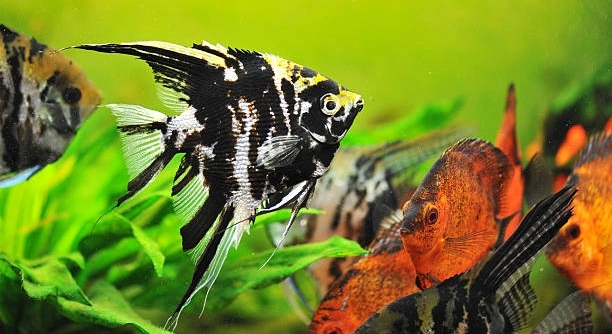
Angelfish are beautiful creatures that can brighten up any aquarium. To keep them healthy and vibrant, a balanced diet is essential. Providing the right nutrition ensures they stay strong, active, and disease-free.
Ensuring a balanced diet for angelfish involves offering a variety of high-quality foods, such as flake, pellet, and frozen options, that meet their nutritional needs. This can support their growth, boost their immune system, and enhance their colors.
By following a few simple steps, you can make sure your angelfish are getting everything they need to thrive. Understanding their diet is the first step toward creating the best environment for them.
Types of Food for Angelfish
Angelfish require a variety of foods to stay healthy. It’s important to feed them a mix of protein, vitamins, and minerals. The most common options include flakes, pellets, and frozen foods like brine shrimp and bloodworms. These choices provide a good balance of nutrients that are easy to digest for angelfish.
Flake food is often the easiest to feed and can be found in many stores. However, it’s important to choose high-quality flake food that has the right ingredients. Pellet food can be a great supplement to their diet. It sinks slowly, making it easier for angelfish to find and eat. Offering frozen foods, like brine shrimp or bloodworms, is another good choice. These foods are packed with proteins that support angelfish growth.
Using a mix of different types of food helps to ensure that angelfish get all the necessary nutrients. Over time, you’ll see that they’re more active and their colors become brighter. It’s also important not to overfeed, as uneaten food can pollute the water and harm their health. Regular feeding with the right mix will keep them happy and strong.
The Importance of Variety
Variety is crucial in your angelfish’s diet. It prevents nutritional imbalances and keeps them healthy. Offering them different foods also reduces the risk of them becoming picky eaters.
If you feed your angelfish the same thing all the time, they might lose interest in eating. This can lead to stress, poor growth, or even disease. By giving them a range of foods, you keep their diet exciting and their interest piqued. A balanced meal plan helps to prevent deficiencies that could impact their overall health. It’s simple to offer variety, and your angelfish will thrive as a result.
How Often to Feed Angelfish
Angelfish should be fed once or twice a day. Overfeeding can lead to water pollution, which can cause health issues for your fish. Be mindful of portion sizes. A good rule of thumb is to offer them just enough food so that it’s eaten within a few minutes. Excess food should be removed to prevent it from decomposing in the water.
You can monitor their eating habits and adjust the portion sizes accordingly. If you notice that they’re not finishing the food, you may be feeding them too much. Angelfish are typically not overeaters by nature, so they’ll stop eating when they’re full. However, it’s still essential to avoid leaving food in the tank for too long. This helps maintain a clean and healthy environment for your fish, which is just as important as the food they eat. Feeding them the right amount and removing leftovers will ensure they have a balanced and clean diet.
Additional Tips for Angelfish Health
While feeding angelfish properly is key to their health, it’s also important to focus on water quality. Clean, fresh water supports digestion and overall well-being. Regular water changes are essential for maintaining a healthy environment.
If your tank is overcrowded, it could stress your angelfish and affect their eating habits. Space and water cleanliness play a huge role in their ability to properly digest food. Ensuring that your angelfish are in a stress-free, clean environment helps them absorb nutrients better from their meals.
Lastly, observe your angelfish for signs of poor eating or weight loss. These could indicate that something is wrong with their diet or health. Regular check-ups on both their food and the water quality will keep them at their best. A proper diet, combined with a suitable environment, will lead to happy, healthy angelfish.
Supplementing with Vegetables
Angelfish benefit from occasional vegetable supplements. Vegetables provide essential fiber and help maintain digestive health. Offering blanched spinach, zucchini, or peas can add variety to their diet.
Vegetables can be a valuable addition to their meals but should not make up the majority of their diet. Angelfish are primarily carnivores and need protein-rich foods for growth and vitality. However, vegetables help balance the diet and can prevent constipation or bloating, which can occur with too much protein.
To prepare vegetables for your angelfish, lightly blanch them to soften the texture, making them easier to eat. Always remove any uneaten vegetable pieces after a few hours to prevent water pollution. This simple addition to their diet will help support their overall health.
Choosing High-Quality Food Brands
When selecting food for your angelfish, it’s crucial to choose high-quality options. Cheap, low-quality fish food often lacks essential nutrients and can cause long-term health issues.
Good quality foods are specially formulated to meet the needs of angelfish. Look for ingredients like high-grade proteins, vitamins, and minerals. Avoid foods with excessive fillers, like wheat and corn, which provide little nutritional value. By selecting reputable brands, you’re ensuring your angelfish get the nutrition they need to thrive.
Some of the best brands offer a mix of flakes, pellets, and frozen food, which cater to different feeding habits. Researching the brands and reading customer reviews can help you find the most reliable products for your fish.
Treats and Occasional Snacks
Treats are a great way to keep angelfish engaged and satisfied. Offer them as a special snack to supplement their regular meals.
You can feed your angelfish small amounts of treats like freeze-dried worms or brine shrimp. These are packed with protein and will keep them interested in their food. Just make sure treats don’t replace their main meals. Overfeeding treats can lead to nutritional imbalances.
Feeding Young Angelfish
Young angelfish have different dietary needs than adults. They require more protein for proper growth and development. Feeding them live or freshly hatched brine shrimp is an excellent way to ensure they get the nutrients they need.
Additionally, young angelfish can be fed high-quality powdered food or specialized fry food. This helps them transition from live food to flakes or pellets as they grow. Ensure the food size is appropriate for their small mouths. Feeding them small, frequent meals will help them thrive.
Monitoring Eating Habits
It’s important to watch your angelfish while they eat. If they’re ignoring certain foods, it might mean they’re not digesting it properly or simply don’t like it.
By observing their eating habits, you can adjust their diet to meet their preferences and health needs. If an angelfish is not eating well, it could indicate stress or illness.
FAQ
Can I feed my angelfish only one type of food?
Feeding your angelfish only one type of food isn’t ideal. They need a variety of nutrients to stay healthy, and sticking to just one food may cause deficiencies. It’s best to rotate between flakes, pellets, and frozen foods for a balanced diet.
Should I feed my angelfish before or after a water change?
It’s better to feed your angelfish after a water change. Feeding before can cause uneaten food to mix with the fresh water, making it harder to keep the tank clean. After a water change, the water is fresh and the fish are more likely to eat.
How do I know if the food I’m giving my angelfish is fresh?
Fresh fish food should have a strong smell and vibrant color. If the food appears dull, discolored, or smells off, it may be old or spoiled. Always check the expiration dates on packaged food and store it properly to ensure it stays fresh.
What is the ideal tank size for angelfish?
Angelfish need at least a 20-gallon tank to thrive, with larger tanks being even better. The more space they have, the healthier they will be. A larger tank also makes it easier to maintain stable water conditions, which is essential for their well-being.
Can I feed my angelfish live plants?
While angelfish can nibble on plants, it’s important not to rely on live plants as their main food source. They prefer meaty foods, but adding plants like anubias or java fern can offer some variety in their environment and give them something to explore.
What is the best way to prepare frozen food for angelfish?
Frozen food should be thawed before feeding to your angelfish. Simply take the portion you need and let it thaw in a small container of tank water for a few minutes. Once thawed, you can feed it to your fish, ensuring no excess food is left behind.
Is it okay to feed angelfish goldfish food?
It’s not recommended to feed angelfish goldfish food. Goldfish food is not formulated for angelfish, and it lacks the proper nutrients they need. Stick to food designed specifically for angelfish to ensure they get the proper diet for optimal health.
Can I feed angelfish fruit?
While angelfish are primarily carnivorous, they can occasionally enjoy fruits like mashed banana or orange slices in small amounts. However, fruits should not be a regular part of their diet. Overfeeding fruit can upset their digestion and alter water quality.
How can I avoid overfeeding my angelfish?
To avoid overfeeding, only give your angelfish as much food as they can consume in a few minutes. If food is left in the tank, it should be removed promptly to prevent water contamination. It’s better to feed smaller amounts more frequently than large amounts at once.
What type of water is best for feeding angelfish?
Angelfish prefer soft to slightly hard water with a pH of 6.5 to 7.5. The quality of water can affect their appetite and digestion, so it’s important to maintain stable water conditions. Regular water changes and good filtration will help keep the water suitable for their feeding.
How do I get my angelfish to eat new foods?
If your angelfish are hesitant to try new foods, start by offering small amounts alongside their usual food. Gradually reduce their regular food and increase the new option. Patience is key—sometimes they need time to adjust to a new food type or texture.
Should I feed angelfish at the same time every day?
Feeding your angelfish at the same time each day helps establish a routine. They’ll start to expect food at that time, which can make feeding easier. Consistency also helps with their digestion and overall health, as they’ll adapt to a predictable feeding schedule.
Can angelfish eat shrimp?
Yes, angelfish can eat shrimp, whether it’s live, frozen, or freeze-dried. Small shrimp, like brine shrimp, are a great source of protein. However, ensure the shrimp are appropriately sized for your angelfish to prevent choking or digestive issues.
What should I do if my angelfish is not eating?
If your angelfish isn’t eating, check the water quality first. Poor water conditions can make fish lose their appetite. Also, consider whether they’re stressed due to tank mates, temperature, or lighting. If these factors are fine and the issue continues, consider seeking advice from a veterinarian or fish expert.
How can I tell if my angelfish is sick due to their diet?
Signs that your angelfish may be ill due to diet include weight loss, lethargy, or abnormal swimming behavior. If their colors seem dull or they’re not eating, there might be a nutritional imbalance. Make sure you’re feeding them a balanced diet with all the necessary nutrients.
Can angelfish eat bloodworms?
Bloodworms are a great treat for angelfish. They provide protein and can help bring out the vibrant colors of your fish. However, they should be fed sparingly as they are high in fat. Use them as an occasional supplement rather than a regular part of their diet.
Is it necessary to use a feeding schedule for my angelfish?
Having a feeding schedule helps maintain the right balance for your angelfish. It allows you to control portion sizes, prevent overfeeding, and monitor how much food is actually consumed. A regular schedule will ensure your fish stay healthy and keep the tank cleaner.
How do I deal with uneaten food in the tank?
Uneaten food should always be removed within a few hours to prevent it from decomposing and affecting the water quality. If food regularly goes uneaten, it might indicate that you’re feeding too much or offering the wrong type of food for your angelfish.
Final Thoughts
Ensuring a balanced diet for your angelfish is essential for their health and well-being. By offering a variety of high-quality foods, such as flakes, pellets, frozen treats, and occasional vegetables, you can provide them with the nutrients they need to thrive. Remember, angelfish are primarily carnivores, but adding some plant matter can help balance their diet. It’s important to avoid overfeeding, as excess food can pollute the water and cause health issues for your fish. Always feed small portions, observing how much your angelfish consume in a few minutes, and remove any uneaten food promptly.
Choosing the right food is just as important as feeding the right amount. High-quality commercial fish food, designed specifically for angelfish, can provide the right balance of protein, vitamins, and minerals. Live or frozen food, such as brine shrimp or bloodworms, are excellent sources of protein that your angelfish will enjoy. Just ensure the food is appropriately sized and prepared for easy digestion. While treats like freeze-dried foods and small amounts of vegetables can be offered occasionally, they should not replace their main diet. Keeping your angelfish well-fed and nourished will help them grow healthy and vibrant.
Lastly, always keep an eye on your angelfish’s behavior and health. If they stop eating or seem lethargic, it could be a sign of stress, poor water quality, or a dietary issue. Regular water changes and maintaining stable tank conditions are just as crucial as the food you provide. A healthy, balanced diet combined with proper care and maintenance will ensure that your angelfish live a long, happy life in your aquarium. By following these guidelines, you can create an environment where your angelfish can flourish and continue to brighten your tank with their beautiful presence.

Hello,
If you enjoy the content that we create, please consider saying a "Thank You!" by leaving a tip.
Every little bit helps us continue crafting quality advice that supports the health, happiness, and well-being of pets around the world, for pets of all shapes, sizes, and species.
We really appreciate the kindness and support that you show us!