
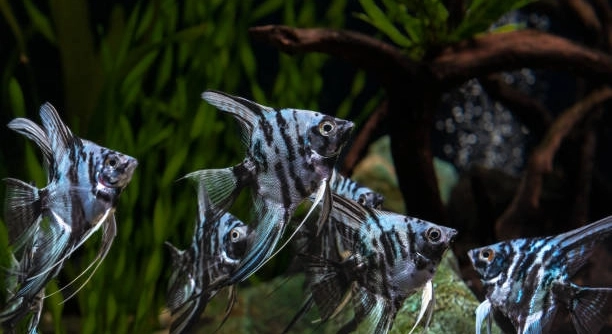
Angelfish are beautiful creatures, and feeding them is an essential part of keeping them healthy. However, sometimes feeding time can feel like a challenge. Making this experience more enjoyable for both you and your fish is important.
Feeding your angelfish can be enjoyable by providing a varied and balanced diet, offering appropriate portion sizes, and ensuring a calm, stress-free environment. Consistent feeding routines and clean water also promote a better feeding experience for your fish.
By following these simple tips, you’ll be able to transform feeding time into a more pleasant activity for both you and your angelfish. Keep reading to learn how to improve their mealtime experience.
Provide a Balanced Diet for Your Angelfish
One of the most important factors in feeding angelfish is ensuring their diet is varied and well-balanced. Angelfish are omnivores, so they need a mix of protein and plant-based foods. Offer them high-quality flakes or pellets that contain the nutrients they need for healthy growth. You can also supplement their diet with live or frozen foods, such as brine shrimp or bloodworms, which will add variety and excitement. Incorporating vegetables like spinach or zucchini into their meals is also beneficial for their health.
Adding different food types not only keeps your angelfish engaged but helps them receive all the necessary nutrients for optimal health. Overfeeding or providing food that lacks nutritional value can lead to health problems like obesity or poor water quality. It’s best to feed them small amounts two to three times a day. Be sure to remove any leftover food to avoid polluting the water.
A diverse diet is key for maintaining the well-being of your angelfish. Regularly changing their meals will help them thrive and keep feeding time interesting.
Set a Consistent Feeding Schedule
Consistency is crucial for your angelfish. They will thrive when they have a predictable feeding schedule.
Feeding your angelfish at the same time each day helps them feel secure and can improve their overall health. They get accustomed to the routine, which can reduce stress and encourage natural feeding behavior. Stick to the same feeding times every day, and try to avoid skipping meals. This will ensure your angelfish are well-fed and keep their energy levels steady.
Maintain Clean Water for Healthier Feeding
The quality of the water can affect how much your angelfish enjoy feeding time. Dirty water makes them stressed, and stressed fish don’t feed as well.
Regular water changes and proper filtration are essential for maintaining a healthy environment. Clean water ensures your fish feel safe and comfortable, allowing them to focus on their food. It also prevents food waste from polluting the tank, which can affect water quality. Keeping the water parameters, such as pH, temperature, and hardness, stable helps keep feeding time enjoyable. Regularly test the water to ensure it remains suitable for your angelfish.
A clean tank also encourages good digestion and better overall health. Dirty water can lead to infections or even death, so make sure to maintain a proper cleaning schedule. Keep your tank free of debris, and your angelfish will have a better feeding experience.
Use the Right Size of Food
Feeding angelfish the right portion size is key to making sure they enjoy their meals. Large or overly small pieces can cause difficulty in eating, reducing their interest.
Angelfish have small mouths and prefer food that fits comfortably inside. Choose food that is appropriately sized for their mouths and can be consumed in one or two bites. Too big a piece might scare them off, and too small might not provide enough nutrients. Finding the right balance is important for both their enjoyment and health.
In addition, when offering live or frozen foods, make sure the pieces are cut into manageable sizes. This makes feeding easier and keeps your fish from being overwhelmed, which can lead to stress or uneaten food floating around the tank. Proper portion control helps maintain a clean environment while satisfying your angelfish’s hunger.
Offer a Calm Feeding Environment
Stress can prevent angelfish from eating. A calm, peaceful tank atmosphere encourages your fish to feed properly.
Avoid sudden movements or loud noises near the tank, as these can startle your fish. Angelfish are sensitive to changes in their environment. They feel safest in a quiet, stable setting where they can focus on eating.
Creating a peaceful feeding environment helps reduce their stress levels. This will not only make feeding time more enjoyable but will also promote healthy eating habits for your fish. Keep distractions at a minimum, and your angelfish will feel more comfortable approaching their food.
Feed Angelfish During Their Active Hours
Angelfish are most active during certain times of the day, typically in the morning or late afternoon. Feeding them during these periods ensures they’re hungry and ready to eat.
Observe your fish to find their active hours, and align feeding times accordingly. Offering food during these windows increases the chances of them eating the food.
FAQ
How often should I feed my angelfish?
Angelfish should be fed 2 to 3 times a day. Overfeeding can lead to water pollution and health issues, so it’s best to give them small amounts each time. Watch your fish to see how much they eat and adjust accordingly. It’s important to feed them enough to maintain their energy levels without leaving uneaten food in the tank.
What type of food is best for angelfish?
Angelfish thrive on a balanced diet that includes both protein and plant-based foods. High-quality flake or pellet food designed for tropical fish is a good option. Additionally, you can offer live or frozen foods like brine shrimp, bloodworms, or daphnia to add variety. Vegetables like spinach and zucchini can also be beneficial. Ensure the food you provide meets their nutritional needs and varies to prevent boredom.
Can angelfish eat goldfish food?
Goldfish food is not ideal for angelfish. Goldfish food tends to be lower in protein, which is essential for angelfish. While an occasional goldfish pellet may not harm them, it’s best to feed angelfish food specifically formulated for tropical fish. The right food helps maintain their health and vibrant colors.
Should I use live food for my angelfish?
Live food, such as brine shrimp or bloodworms, can be a great addition to your angelfish’s diet. These foods are rich in protein and can stimulate natural hunting behaviors. However, live food should only be offered occasionally to avoid overfeeding. It’s also essential to ensure the live food is free of parasites or diseases that could harm your fish.
How do I know if I’m overfeeding my angelfish?
Overfeeding can lead to leftover food in the tank, which can cause water quality problems. Signs of overfeeding include food particles floating in the tank, dirty water, or even weight gain in your fish. If your angelfish are not eating all the food within a few minutes, you’re likely feeding them too much. It’s crucial to monitor their feeding habits and adjust portions accordingly.
Can I feed my angelfish once a day?
Feeding angelfish once a day can work if the portion size is appropriate and the fish are getting enough nutrition. However, feeding them twice a day is generally better to ensure they get all the necessary nutrients. If you do choose to feed once a day, ensure the food is nutrient-dense to support their health.
Is it okay to feed angelfish only pellets?
Pellets are a good option for feeding angelfish as long as they are high-quality and provide the necessary nutrients. However, feeding only pellets may lead to nutritional gaps. It’s best to provide a varied diet, including pellets, flakes, and occasional live or frozen food. This variety helps ensure your angelfish get the full spectrum of nutrients.
What is the best temperature for feeding angelfish?
The optimal temperature for angelfish is between 76°F and 82°F (24°C to 28°C). At temperatures outside this range, they may become stressed or less active, which can affect their appetite. Keep your aquarium at a consistent, warm temperature to ensure your angelfish are comfortable and eager to eat.
Can angelfish eat vegetables?
Yes, angelfish can eat vegetables, and they benefit from the additional fiber. Vegetables like spinach, zucchini, and peas are great for their diet. Make sure to blanch the vegetables before feeding them to soften the texture and make them easier for your angelfish to eat. Introduce vegetables into their diet a couple of times a week.
Why are my angelfish not eating?
If your angelfish aren’t eating, it could be due to several factors. Stress from poor water quality, sudden changes in their environment, or disease can cause them to lose their appetite. Make sure your tank is clean, the water parameters are stable, and there are no aggressive tankmates. If the problem persists, consult an aquarium specialist to rule out illness.
How do I make my angelfish eat faster?
If your angelfish are hesitant to eat, try feeding them smaller portions of live food, as this may encourage them to eat more quickly. Some angelfish respond well to food that moves, such as brine shrimp or worms, as it simulates hunting behavior. Offering food at the same time each day can also help them become accustomed to feeding times and speed up their eating.
Can I feed my angelfish frozen food?
Frozen food is an excellent option for your angelfish and can be offered regularly. Foods like frozen bloodworms, brine shrimp, and daphnia are nutritious and easy for them to digest. Always thaw frozen food before feeding it to your fish to prevent cold stress and ensure they get the full nutritional benefits.
Final Thoughts
Feeding angelfish can be an enjoyable experience for both you and your fish if approached with care and attention. The key to making feeding time successful is providing a balanced diet that meets their nutritional needs. A combination of high-quality pellets or flakes, supplemented with occasional live or frozen foods, ensures that your angelfish get all the essential nutrients. Introducing vegetables like spinach and zucchini not only adds variety but also supports their overall health. Keeping their meals interesting will encourage healthy eating habits and make feeding time more exciting for them.
Consistency is another important factor when feeding your angelfish. Establishing a regular feeding schedule helps create a sense of security for your fish. Angelfish thrive when they know when to expect their meals, and this routine can help reduce stress. Try to feed them at the same time each day and stick to small portions to avoid overfeeding. Also, be sure to remove any leftover food promptly to maintain clean water, which is crucial for their well-being. When angelfish are comfortable and healthy, they will look forward to mealtime, making it a more enjoyable activity for both of you.
In addition to providing the right food, ensuring that your tank environment is calm and stress-free is essential for happy feeding times. Avoid sudden movements or loud noises near the tank that could scare your fish. Keeping the water clean and at the proper temperature also plays a role in encouraging your angelfish to eat. The less stressed they are, the more likely they will enjoy their food. A little care and attention to their feeding routine and environment can go a long way in helping your angelfish thrive and enjoy feeding time.

Hello,
If you enjoy the content that we create, please consider saying a "Thank You!" by leaving a tip.
Every little bit helps us continue crafting quality advice that supports the health, happiness, and well-being of pets around the world, for pets of all shapes, sizes, and species.
We really appreciate the kindness and support that you show us!