
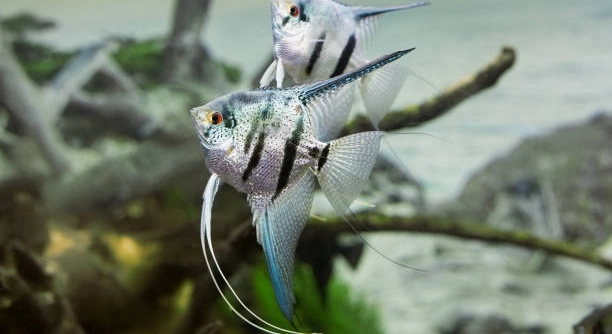
Angelfish are captivating and peaceful creatures in aquariums, but when they start pacing back and forth, it can raise concerns. This behavior is often puzzling for many owners, but it is not uncommon.
The pacing behavior of angelfish is typically caused by stress, environmental factors, or health issues. Overcrowded tanks, poor water quality, or inadequate hiding spaces may cause this behavior. Identifying the root cause can help address the problem effectively.
Understanding these factors can help resolve the issue and create a more comfortable environment for your angelfish to thrive.
Overcrowded Tanks
An angelfish’s environment plays a major role in its behavior. Overcrowding in a tank can cause a lot of stress, which leads to pacing. When too many fish share the same space, they feel threatened and will often display nervous movements like pacing. This is especially common in tanks without enough territory for each fish. If the fish feel like they don’t have a place to hide or establish their own space, they can become anxious, leading to repetitive swimming behavior.
Adding extra fish to your tank without considering the space available can quickly lead to this type of stress. It’s important to maintain an appropriate fish-to-tank ratio. Be mindful of the tank size, the number of fish, and their individual needs.
In an overcrowded tank, fish may also be fighting for food or territory, which increases anxiety. The angelfish may pace as it searches for food or tries to avoid conflicts. To prevent this, ensure your tank size suits the fish you own and consider removing any excess or aggressive species. A peaceful environment supports healthy fish behavior.
Water Quality
Water quality is another factor that can contribute to pacing. Poor water conditions, such as incorrect pH, temperature, or dirty water, can make angelfish uncomfortable and cause them to swim erratically. Consistent water changes, proper filtration, and regular testing of water parameters can help provide a stable and healthy environment for your fish.
Lack of Hiding Spaces
Angelfish feel safest when they have places to hide. If the tank doesn’t offer adequate hiding spots, such as plants or decorations, they may become stressed. Pacing could be a sign that the fish is trying to find a secure area but can’t. This can be especially true for angelfish that are naturally timid and seek refuge when feeling threatened.
Adding hiding spaces, such as plants, caves, or decorative structures, can help. These additions provide angelfish with the comfort they need to reduce stress. By creating areas where your fish can retreat, you allow them to feel safe and avoid constantly pacing for comfort. Consider placing hiding spaces in various parts of the tank for variety and security.
Even if your tank appears spacious, a lack of adequate hiding spots can cause your angelfish to swim anxiously. Some fish, like angelfish, tend to hide when they feel uneasy or threatened by changes in the tank environment. Offering plenty of places to hide allows them to move more freely and reduce pacing behavior.
Poor Tank Mates
Tank mates can also contribute to your angelfish’s pacing. Aggressive or overly active fish can cause stress for more peaceful species. Angelfish are not naturally aggressive but may feel pressured by fast or territorial tank mates, leading to nervous behavior like pacing.
When choosing tank mates for angelfish, consider the temperament of other fish. Some species may intimidate or chase your angelfish, making them feel constantly on edge. It’s important to choose peaceful fish that won’t provoke anxiety. Avoid overcrowding and ensure your fish species are compatible in both size and temperament. This will help create a balanced and calm tank environment.
Angelfish do well in peaceful communities but may struggle with aggressive or overly active species. The stress of constantly being pursued or feeling threatened can lead to erratic swimming behavior. Providing a harmonious environment, where your angelfish are safe from aggressive tank mates, can help eliminate pacing and promote better health.
Illness or Injury
An angelfish pacing may be a sign of illness or injury. When a fish feels unwell, it may swim aimlessly or appear restless. Injuries or discomfort can lead to abnormal movements, including pacing. Any sign of change in swimming behavior should prompt closer attention to its health.
Look for signs of disease such as lesions, discoloration, or erratic swimming patterns. If you notice anything unusual, consider isolating the fish and adjusting the tank conditions to see if the behavior improves. A thorough examination of the fish may reveal injuries or infections that need treatment.
Fish diseases, such as parasites or fungal infections, can affect their movement. If an angelfish is pacing, it could be dealing with physical discomfort, making it appear agitated. Ensure your tank is free of harmful pathogens, and consider consulting a vet if the problem persists.
Water Temperature
Water temperature can have a direct impact on angelfish behavior. Angelfish prefer a stable temperature range between 75°F and 82°F (24°C and 28°C). If the temperature fluctuates too much, it can cause stress, leading to pacing as they try to adjust.
If your water temperature is too high or low, your fish may show signs of stress. Maintaining a consistent, appropriate temperature range in the tank is crucial. Use a reliable heater with a thermometer to monitor water temperature and prevent sudden changes that could harm your angelfish.
Lack of Stimulation
Angelfish are active and curious creatures that require stimulation. A lack of visual or environmental enrichment in their tank can lead to boredom and pacing. Without enough things to explore or interact with, angelfish may resort to repetitive movements to relieve their stress.
FAQ
Why is my angelfish pacing back and forth?
Pacing is often a sign of stress or discomfort in angelfish. Factors like overcrowding, poor water quality, lack of hiding spots, or incompatible tank mates can cause anxiety and lead to pacing. It’s important to assess the environment to see if these factors are contributing to the behavior. Regular maintenance, proper tank setup, and ensuring a peaceful atmosphere can help prevent pacing.
Can angelfish pacing be a sign of illness?
Yes, pacing can sometimes indicate that your angelfish is feeling unwell. Illnesses such as parasites, infections, or internal issues can cause a fish to swim erratically or pace. If you notice other symptoms like discoloration, loss of appetite, or changes in swimming patterns, it’s worth isolating the fish for observation and checking water quality for potential issues.
How can I reduce stress in my angelfish?
To reduce stress, ensure that your angelfish’s tank is properly maintained. This includes maintaining the correct water temperature, ensuring good water quality, and providing enough space. Avoid overcrowding, add hiding spots, and choose compatible tank mates. Regular water changes and a calm, secure environment can go a long way in promoting your angelfish’s well-being.
Can aggressive tank mates cause angelfish to pace?
Yes, aggressive or overly active tank mates can make angelfish feel threatened, leading them to pace. Fish that chase or harass angelfish create a stressful environment. It’s important to choose peaceful tank mates that won’t stress out your angelfish, ensuring they have a safe and calm space to thrive.
How often should I change the water to avoid pacing?
Water changes are essential for keeping your tank clean and maintaining good water quality. A 25% water change every two weeks is generally recommended for most tanks, but if you have a heavily stocked aquarium, more frequent changes may be necessary. Poor water quality can cause stress and contribute to pacing, so regular maintenance is crucial.
What is the ideal water temperature for angelfish?
Angelfish thrive in water temperatures between 75°F and 82°F (24°C and 28°C). If the temperature is too high or too low, it can cause stress, leading to pacing. Use a reliable aquarium heater with a thermometer to maintain a consistent, appropriate temperature range. Sudden temperature fluctuations should also be avoided.
Can too much light cause angelfish to pace?
Yes, excessive lighting can stress angelfish, especially if the tank is too bright or the light cycle is inconsistent. Angelfish prefer a natural light cycle with a period of darkness to rest. Constant or overly bright lighting can cause anxiety and contribute to pacing. It’s best to keep lighting at a moderate level and provide a day-night cycle for your fish.
Is it normal for angelfish to swim in circles?
Swimming in circles can be a sign of stress, illness, or lack of stimulation. If your angelfish is swimming in repetitive circles or other abnormal patterns, it may be reacting to environmental factors like overcrowding, poor water conditions, or illness. Make sure the tank is adequately sized, the water quality is ideal, and the fish are not facing aggression from tank mates.
Can angelfish pacing be a sign of boredom?
Yes, angelfish can become bored if their environment is lacking in stimulation. These fish are naturally curious and need mental and physical enrichment. Without enough places to explore or interact with, angelfish may resort to pacing. Adding plants, decorations, or even other compatible fish can help keep them engaged and reduce pacing.
How can I make my angelfish feel more comfortable in its tank?
To make your angelfish feel more comfortable, create a stress-free environment. Provide plenty of hiding spots with plants, rocks, or tank decorations. Avoid overcrowding and ensure your tank is well-maintained. Make sure the water quality is consistently good, and ensure the temperature remains stable. Providing peaceful tank mates also contributes to a comfortable and secure environment.
Why does my angelfish swim at the surface of the tank?
Swimming at the surface can be a sign of various issues. If your angelfish is frequently near the surface, it may be trying to get more oxygen, especially if there is a lack of surface agitation. This can also indicate water quality problems, such as low oxygen levels or poor filtration. Regular water changes and proper tank maintenance can help.
How can I prevent my angelfish from becoming stressed?
Prevention of stress starts with maintaining a stable and clean tank environment. Ensure proper water quality, correct temperature, and peaceful tank mates. Keep the tank size appropriate for the number of fish you have and avoid overcrowding. Providing hiding spots and regular maintenance will also help reduce stress levels.
Can angelfish pacing indicate that they are hungry?
While pacing can be linked to stress, angelfish may also pace if they are hungry. However, this behavior is typically more about anxiety than hunger. If you feed your fish regularly and at appropriate times, hunger is less likely to cause pacing. Ensure you’re not overfeeding or underfeeding, as both can lead to other health issues.
Are angelfish more likely to pace when they are in pairs?
Angelfish do not typically pace more when kept in pairs, as long as the tank conditions are right. If the pair feels secure and comfortable, they are less likely to pace. However, if there’s tension between the pair or they feel crowded, they may pace. Providing enough space and hiding spots is essential.
What should I do if my angelfish won’t stop pacing?
If your angelfish won’t stop pacing, begin by examining the tank environment. Check for overcrowding, poor water quality, or aggressive tank mates. Ensure the temperature is within the appropriate range and that the fish has places to hide. If the problem persists, consider isolating the fish to observe for signs of illness.
Final Thoughts
Angelfish are beautiful and peaceful creatures, but when they start pacing, it’s often a sign that something in their environment isn’t quite right. While this behavior can sometimes be linked to stress or illness, it is often a result of issues like poor water quality, inappropriate tank mates, or inadequate tank conditions. Understanding the causes of pacing can help address the problem effectively and ensure your angelfish remain happy and healthy.
The key to preventing pacing lies in creating a stable and stress-free environment. Regular water changes, maintaining the right water temperature, and ensuring a well-filtered tank are essential for your angelfish’s well-being. Additionally, selecting compatible tank mates and avoiding overcrowding can help reduce anxiety and promote more natural behaviors. Adding hiding spots and decorations to your tank can also make your angelfish feel more secure and provide them with the stimulation they need.
If you notice your angelfish pacing regularly, it’s important to take action and investigate the possible causes. Look for signs of illness, check the water parameters, and observe how your fish interact with their surroundings. By making adjustments to their environment and taking proactive steps to address any issues, you can reduce pacing and help your angelfish thrive. With the right care and attention, your angelfish will have a comfortable and peaceful life in your aquarium.

Hello,
If you enjoy the content that we create, please consider saying a "Thank You!" by leaving a tip.
Every little bit helps us continue crafting quality advice that supports the health, happiness, and well-being of pets around the world, for pets of all shapes, sizes, and species.
We really appreciate the kindness and support that you show us!