
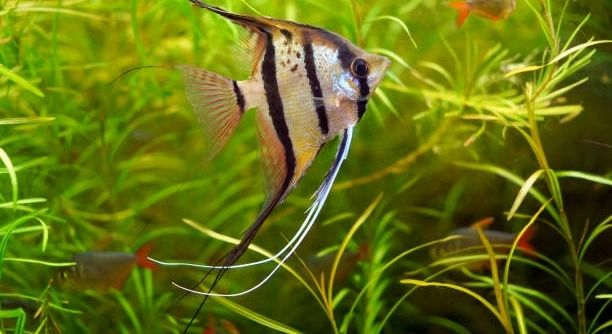
Angelfish thrive in specific temperature ranges, making it important to monitor the conditions of their tank. Even slight changes can affect their health and behavior. Keeping a close eye on their environment ensures their well-being.
A temperature imbalance in your angelfish tank can lead to various health issues. Too high or too low a temperature may cause stress, slow growth, and weakened immune systems. Maintaining a stable temperature is crucial for their overall health.
Properly managing your tank’s temperature is key to maintaining your angelfish’s health. Knowing the signs of temperature imbalance helps ensure they remain in a comfortable and thriving environment.
Temperature Fluctuations Can Stress Angelfish
Angelfish are sensitive to temperature changes. If the tank water is too warm or too cold, they may show signs of discomfort. They may swim less actively, or in extreme cases, even refuse to eat. When the temperature is consistently outside of their ideal range, it can weaken their immune system, making them more prone to diseases. A sudden temperature change, such as from a heater malfunction or a draft in the room, can cause significant stress. Keeping the water stable is essential to maintain your angelfish’s health and prevent unnecessary stress.
Angelfish thrive in temperatures between 76°F and 82°F. If your tank experiences drastic fluctuations, it could lead to behavioral changes and even affect the fish’s lifespan.
To avoid temperature-related stress, always check your heater for functionality and ensure the tank is kept in a stable room temperature. Installing a thermometer in the tank will help track any unwanted fluctuations. Maintaining a steady environment will keep your angelfish healthy and active.
Signs of Temperature Extremes
Temperature extremes are easy to spot if you know what to look for.
Angelfish will begin to exhibit signs like lethargy, reduced appetite, or erratic swimming patterns when temperatures go too high or low. These signs indicate that the tank environment is unsuitable, and immediate adjustments are needed. If left unaddressed, temperature imbalances may lead to more severe health issues like stress and infections.
Active Swimming Behavior
If your angelfish suddenly begins swimming erratically, this may be a sign of temperature issues. They often try to swim away from the uncomfortable conditions. Rapid swimming or hovering near the surface can indicate a warmer tank, while sluggish or bottom-dwelling behavior might suggest the water is too cold.
Your angelfish’s movement is often the first clear sign something’s off. Inconsistent swimming can be caused by overheating, as they attempt to escape the warmth by staying near cooler areas. Conversely, in colder water, angelfish might remain at the bottom, conserving energy and avoiding unnecessary movement.
If you notice such behavior, immediately check the tank’s temperature with a reliable thermometer. Adjust the heater settings if needed. Consistent water temperature is important to ensure your fish feel safe and comfortable, without the added stress of fluctuating conditions.
Changes in Appetite
Angelfish tend to eat less or stop eating when temperatures are not ideal. A lack of appetite can point to an environment that’s too hot or too cold. It’s essential to pay attention to this as a sign that your angelfish isn’t comfortable.
When the water is too hot, angelfish may become lethargic, which reduces their interest in food. Conversely, in cold water, their metabolism slows down, and they will not feel motivated to eat. Maintaining the right temperature can prevent this.
Monitor your angelfish’s feeding patterns closely, as changes in appetite are a significant indicator of tank conditions. If the water temperature stabilizes, their appetite will likely return to normal. If this behavior continues, it’s important to consider other possible factors, such as water quality.
Restlessness and Hiding
When temperatures are too extreme, angelfish often display restlessness. They might swim frantically or hide in plants or decorations, trying to find a spot that feels more comfortable. This behavior shows their discomfort with the tank’s temperature.
Restlessness is particularly noticeable when temperatures exceed the comfortable range for your angelfish. They seek shelter, often avoiding open areas. Hiding is their way of coping with the stress caused by the environment. Ensuring the tank temperature stays steady will help reduce this behavior and create a calmer environment for your fish.
Unusual Breathing Patterns
Angelfish will often breathe more rapidly if the tank water is too warm or too cold. This is a direct response to temperature stress. They try to get more oxygen in the water when they feel uncomfortable.
Increased respiration is a common sign of overheating. When water becomes too warm, the oxygen levels decrease, and fish instinctively try to breathe faster to compensate. Similarly, low temperatures slow down their metabolism, causing them to breathe slower or in an irregular pattern. Monitoring water temperature and maintaining a steady range can help prevent these issues.
FAQ
What is the ideal temperature for angelfish?
Angelfish thrive in water temperatures between 76°F and 82°F. Staying within this range helps maintain their health and activity levels. Consistent temperatures are essential for their immune system and overall well-being. Any fluctuations outside this range, whether too high or low, can lead to stress and health problems.
How can I monitor the temperature in my angelfish tank?
Use a reliable aquarium thermometer to monitor your tank’s temperature. You can find both digital and glass thermometers designed for aquariums. It’s a good idea to place the thermometer where it can easily show the tank’s average temperature. Make sure to check it regularly to ensure stability.
What causes temperature fluctuations in an angelfish tank?
Temperature fluctuations can be caused by several factors, such as a malfunctioning heater, drafty rooms, or placing the tank near a window where the sun hits. Even changes in the room’s temperature can affect the tank. Ensuring your heater is properly calibrated and avoiding temperature extremes in the room will help maintain a steady environment.
Can I fix temperature issues with a tank heater?
Yes, a tank heater is an effective way to maintain stable water temperatures. Ensure your heater is sized appropriately for your tank and check that it is working correctly. Some heaters have built-in thermostats, but it’s still important to monitor the temperature with a thermometer.
How can I stabilize temperature fluctuations in my tank?
To prevent fluctuations, choose a heater with an accurate thermostat and place the tank in a room with stable temperature conditions. Avoid placing the tank near air conditioners, radiators, or windows. Additionally, consider investing in a heater guard to protect the heater from malfunctioning or temperature surges.
Can sudden temperature changes harm my angelfish?
Yes, sudden temperature changes can cause stress and health issues for your angelfish. Rapid shifts in temperature can shock their system, making them more susceptible to diseases. Try to avoid sudden changes by gradually adjusting the temperature if necessary and always ensure the heater is set correctly.
What are the signs that my angelfish are too hot?
When the water temperature is too high, angelfish may swim rapidly near the surface, try to escape the warmer water, or even stop eating. Their breathing rate may also increase. If you notice these signs, check the temperature immediately and adjust the heater or cooling methods as needed.
What are the signs that my angelfish are too cold?
Cold water can cause angelfish to become lethargic, swim sluggishly, or spend more time at the bottom of the tank. They may also lose their appetite or stop eating altogether. If you see these signs, check the water temperature and adjust the heater to bring it within the optimal range.
Can I use ice or hot water to adjust my tank’s temperature?
It is not advisable to use ice or hot water directly in your tank to adjust the temperature. Sudden changes in temperature can shock your fish. If the tank is too warm, gradually lower the temperature using a fan or by adjusting the heater. If it’s too cold, use a reliable aquarium heater to warm the water slowly.
How often should I check my angelfish tank’s temperature?
It’s a good idea to check the temperature at least once a day, especially if the tank is in a room with varying temperatures. During extreme weather conditions, you might want to check more frequently. Regular monitoring ensures that any temperature imbalances are caught early, preventing stress and health issues for your angelfish.
What is the best way to prevent temperature stress in my angelfish tank?
To prevent temperature stress, maintain a consistent environment. Use a reliable aquarium heater with a thermometer and avoid placing your tank in areas with fluctuating temperatures. Regularly check the water temperature to ensure it stays within the optimal range for your angelfish.
Final Thoughts
Maintaining a consistent temperature is essential for the health of your angelfish. Whether the water is too hot or too cold, temperature fluctuations can cause stress and lead to serious health problems. Angelfish are sensitive to changes, and their behavior often reflects how they feel about their environment. Rapid swimming, hiding, and lack of appetite are all signs that something may be wrong with the tank’s temperature. Recognizing these signs early on will help you address issues quickly, preventing any long-term damage to your fish.
Regular monitoring is crucial for maintaining a stable environment. Use a reliable thermometer to track the water temperature and ensure it remains within the ideal range of 76°F to 82°F. If you notice any fluctuations, adjust the heater accordingly or take steps to stabilize the room temperature. Avoid placing the tank near windows, air conditioners, or heaters, as these can cause the temperature to rise or fall unexpectedly. A steady, controlled environment will not only keep your angelfish healthy but also ensure their happiness and comfort.
By keeping an eye on the temperature and being proactive with adjustments, you’ll be able to provide a stable and safe environment for your angelfish. Maintaining a proper temperature range reduces stress, boosts immunity, and improves the overall quality of life for your fish. Small changes, such as investing in a reliable heater or adjusting the tank’s position, can make a big difference in the well-being of your angelfish. By taking care of these details, you ensure that your fish stay active, healthy, and vibrant for years to come.

Hello,
If you enjoy the content that we create, please consider saying a "Thank You!" by leaving a tip.
Every little bit helps us continue crafting quality advice that supports the health, happiness, and well-being of pets around the world, for pets of all shapes, sizes, and species.
We really appreciate the kindness and support that you show us!