
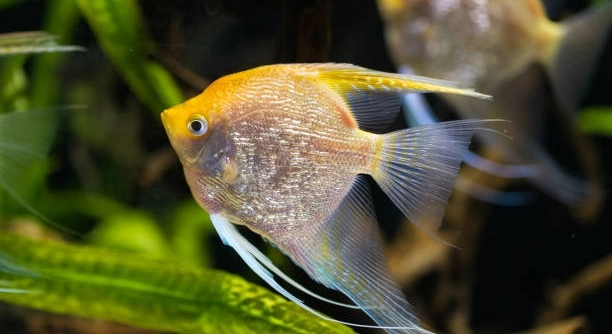
Angelfish are beautiful, peaceful creatures that make a stunning addition to any aquarium. However, keeping them healthy requires regular tank maintenance. Without proper care, issues can arise that may affect their well-being and your aquarium’s overall environment.
Your angelfish tank may need more maintenance if you notice cloudy water, algae growth, unusual fish behavior, or an increase in waste accumulation. A decline in water quality can lead to stress, illness, and even death for your fish.
Proper care for your angelfish is essential in maintaining a thriving tank. Keeping the water clean, monitoring fish behavior, and checking equipment regularly will help ensure the health of your fish and the overall environment.
Cloudy Water and Poor Visibility
If the water in your angelfish tank has turned cloudy or murky, this is a clear sign that the water quality is suffering. Cloudiness can be caused by excess nutrients in the water, poor filtration, or an unclean tank. It often happens when the biological filter isn’t working properly or when there’s a build-up of organic waste. Angelfish, like all fish, thrive in clear water. When the water becomes cloudy, it can stress them out and make it harder for them to breathe or swim.
A dirty tank leads to poor water conditions, which directly affects your angelfish’s health. Cloudy water is not just a cosmetic issue but a serious concern that can cause long-term damage to your fish.
To clear cloudy water, check your filtration system to ensure it’s working efficiently. You may need to clean the filter or replace its media. Also, do a partial water change to remove excess waste and organic matter. Regular water testing will help you catch these issues before they escalate.
Excess Algae Growth
Algae growth can quickly get out of hand in an angelfish tank. It can appear as green or brown patches on the glass, decorations, or plants. Too much algae can be a sign of overfeeding or insufficient tank cleaning. Algae thrives when there’s an abundance of nutrients in the water, often due to uneaten food and fish waste.
To combat algae, reduce the amount of food you’re offering to your fish. Make sure to remove any uneaten food after each feeding. Regularly scrub the glass and any other surfaces where algae are building up. You may also want to limit the tank’s exposure to light, as too much light promotes algae growth. If the problem persists, you may need to adjust the tank’s filtration or invest in algae-eating species like snails or certain types of fish.
By addressing algae growth quickly, you can prevent it from overtaking the tank and affecting your fish’s health. Algae can deprive your angelfish of the oxygen they need and clutter the tank.
Fish Acting Strange
If your angelfish are behaving oddly, such as swimming erratically or hiding more than usual, it could signal an issue with their tank environment. Stress from poor water conditions can cause angelfish to act differently.
Monitor their activity closely. If they’re frequently swimming near the surface, it might indicate low oxygen levels or poor water quality. If they seem lethargic or are hiding, it could be a sign of illness or stress. Check your water parameters regularly and make sure the tank temperature is stable. Stress or illness can often be traced back to poor water conditions.
Sometimes, changes in behavior are linked to overcrowding or territorial disputes. Ensure the tank is not overstocked and that your angelfish have enough space to swim comfortably. Aggressive interactions with other fish can also lead to unusual behavior. If the water quality checks out, look for other potential stressors such as incompatible tank mates.
Excessive Waste Build-Up
An increase in visible waste in your angelfish tank is a common sign that your maintenance routine isn’t up to par. Over time, waste from uneaten food and fish excrement can accumulate, creating harmful conditions for your fish.
Excess waste can lead to high ammonia and nitrate levels, which are toxic to your fish. If you notice waste piling up, it’s a clear sign that you need to clean the tank more frequently. Regular water changes are essential to maintain a healthy environment. Cleaning the substrate and decorations will also help eliminate waste buildup.
It’s important to be mindful of how much food you’re giving your angelfish. Overfeeding can lead to an excess of uneaten food, which breaks down and contributes to waste accumulation. Remove leftover food after each feeding session. By staying on top of cleaning and feeding, you can ensure that your tank remains a healthy, thriving environment.
Poor Filtration System
A malfunctioning filtration system can be a major issue in an angelfish tank. Filters are essential for maintaining clean water, and without one that works properly, the water quality will degrade quickly.
Check your filter regularly to ensure it’s working effectively. Clean or replace the filter media when necessary. A clogged or outdated filter can fail to remove harmful particles and toxins, leading to unhealthy water.
If your filter is old or too small for your tank size, consider upgrading it. An underpowered filter may struggle to keep up with waste and debris, negatively affecting your fish’s health.
High Nitrate Levels
High nitrate levels in your tank can stress angelfish and cause health problems. Nitrates accumulate as a byproduct of fish waste, uneaten food, and decaying plant matter.
Regular water changes and cleaning the substrate help prevent nitrate build-up. Test the water often to monitor nitrate levels, especially if you notice cloudy water or fish acting stressed. Keeping your tank clean and maintaining proper filtration will help keep nitrate levels under control, ensuring a healthy environment for your angelfish.
FAQ
What should I do if my angelfish are showing signs of illness?
If your angelfish display signs of illness, such as abnormal swimming patterns or physical symptoms like discoloration or lesions, it’s essential to act quickly. Start by checking the water quality—often, poor water conditions lead to stress and disease. Perform a partial water change to improve the environment and test the water for ammonia, nitrites, and nitrates. If the water parameters are off, correct them. If illness persists, you may need to isolate the affected fish and treat them with medications designed for common angelfish ailments. Keeping the tank clean and maintaining stable water conditions will help prevent future illnesses.
How often should I change the water in my angelfish tank?
Water changes are a crucial part of maintaining a healthy tank for your angelfish. For most tanks, a 25% water change every 1-2 weeks is a good rule of thumb. However, the frequency may depend on the tank’s size, the number of fish, and the filtration system. If your tank is heavily stocked or the filtration is less efficient, you may need to change the water more often. Regular water changes help remove waste, toxins, and excess nutrients, keeping the water clean and oxygenated for your fish.
How can I prevent algae growth in my angelfish tank?
Algae growth is common in fish tanks, but it can quickly become a problem if not controlled. To prevent algae, limit the amount of light your tank receives, as excessive light promotes algae growth. Keep the tank’s light on for about 8-10 hours a day, and ensure the tank isn’t placed in direct sunlight. Reduce overfeeding and remove any uneaten food after each meal to minimize nutrients in the water. Regular tank cleaning, including scrubbing the glass and removing algae from decorations, will also help manage algae. If the problem persists, consider adding algae-eating fish or snails to help keep the algae under control.
What temperature should I keep my angelfish tank at?
Angelfish thrive in warm water, so maintaining the correct temperature is essential. Aim for a water temperature between 76-80°F (24-27°C). Keeping the temperature within this range ensures your angelfish remain active, healthy, and stress-free. Use an aquarium heater with a thermometer to maintain consistent warmth, especially in cooler climates. Sudden temperature changes can shock the fish and lead to illness, so avoid placing the tank near air conditioners or heaters that might cause temperature fluctuations.
How can I tell if my angelfish are stressed?
Stress in angelfish can show up as changes in behavior or appearance. Stressed fish may hide more often, swim erratically, or rub against objects in the tank. Physical signs of stress include faded colors, clamped fins, or rapid gill movement, which may indicate poor water quality or an environmental issue. Check the water parameters and clean the tank regularly to ensure it’s a healthy environment. Also, ensure that your angelfish are not overcrowded and that they have enough space to swim. Keeping the tank stable and free from aggressive tank mates will help reduce stress.
Can I keep multiple angelfish together?
Yes, angelfish can live together, but it’s important to provide them with enough space to avoid territorial disputes. Angelfish are naturally territorial, especially during breeding periods, so a larger tank (at least 30 gallons) is recommended if you plan on keeping more than one. It’s best to keep them in groups of four or more to reduce aggression. If you keep multiple angelfish in a smaller tank, you may notice fighting and stress. Introducing tank mates that are peaceful and non-competitive will also help keep aggression levels low.
What type of food should I feed my angelfish?
Angelfish are omnivores, meaning they eat both plant-based and animal-based foods. A well-balanced diet for your angelfish should include high-quality pellets or flakes, supplemented with live or frozen food like bloodworms, brine shrimp, or daphnia. Additionally, providing some plant matter, such as blanched spinach or zucchini, will give them the fiber they need. Be sure not to overfeed, as excess food can lead to water pollution and health issues. Feed your angelfish once or twice a day, offering only as much food as they can eat in a few minutes.
How can I maintain a healthy angelfish tank?
To maintain a healthy angelfish tank, ensure proper filtration, perform regular water changes, and maintain stable water conditions. Monitor the tank’s temperature, pH, ammonia, nitrite, and nitrate levels regularly. Avoid overfeeding and remove uneaten food to prevent water contamination. Clean the tank and decorations often, and provide plenty of hiding spots and plants for your angelfish to feel secure. Be mindful of stocking levels to prevent overcrowding, and ensure your angelfish have enough space to swim freely. Regular maintenance and monitoring will keep your tank healthy for both your fish and aquatic plants.
Final Thoughts
Taking care of an angelfish tank requires regular attention to keep both the fish and the water healthy. The signs mentioned in this article, such as cloudy water, excessive algae growth, and strange fish behavior, are often early indicators that something is off in the tank. While it can be easy to overlook small issues, addressing them early can help prevent more serious problems down the road. Regular maintenance, such as water changes, cleaning the tank, and checking the filter, is essential to maintaining a stable and clean environment for your angelfish.
It’s also important to observe your angelfish for any signs of stress or illness. Fish are sensitive to changes in their environment, and even slight fluctuations in water quality or temperature can cause them to become stressed. When your angelfish show abnormal behavior or symptoms, it’s crucial to act quickly. Start by checking the water parameters and adjusting them as necessary. In most cases, improving the water quality or cleaning the tank can make a significant difference in your fish’s health. If the problem persists, it might be necessary to isolate and treat the affected fish.
Lastly, remember that keeping angelfish requires patience and consistency. Fish care is a long-term commitment, and regular maintenance routines will help ensure that your angelfish live healthy, happy lives. By paying attention to the signs and being proactive about tank care, you’ll be able to avoid many common issues. Your angelfish will reward you with vibrant colors and peaceful behavior in a well-maintained tank, making the effort worthwhile.

Hello,
If you enjoy the content that we create, please consider saying a "Thank You!" by leaving a tip.
Every little bit helps us continue crafting quality advice that supports the health, happiness, and well-being of pets around the world, for pets of all shapes, sizes, and species.
We really appreciate the kindness and support that you show us!