
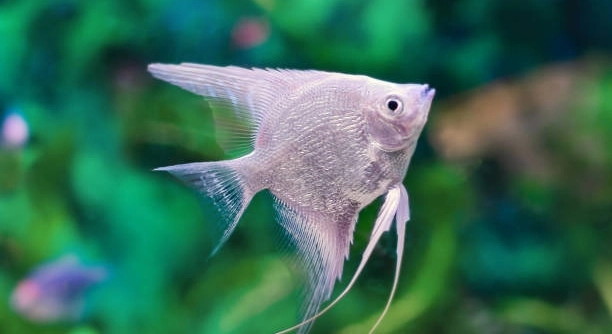
Angelfish are usually active and lively swimmers, but when they suddenly seem less energetic, it can raise concerns. Many factors could be influencing their behavior, and it’s important to consider various possibilities.
The drop in your angelfish’s activity level may be due to environmental, health, or behavioral factors. Issues such as water quality, temperature fluctuations, or stress can make them lethargic. Illness or inadequate diet may also play a role.
Understanding the reasons behind your angelfish’s behavior can help you provide the right care. In this article, we’ll explore seven possible reasons for their sudden lack of activity.
Water Quality Issues
Angelfish thrive in clean, well-maintained water. Poor water quality can affect their health and activity levels, leading to stress and lethargy. If the water is contaminated or improperly filtered, it can cause a buildup of toxins like ammonia or nitrites. These chemicals can harm your fish, resulting in reduced movement or hiding behavior. Additionally, high levels of nitrates can trigger respiratory issues, causing your angelfish to feel sluggish or weak.
If you notice your angelfish becoming less active, it’s important to test the water. Use an aquarium water test kit to check for ammonia, nitrites, nitrates, and pH levels. Ensuring the water parameters are stable is crucial to maintaining a healthy and active fish tank. Regular water changes and proper filtration are essential for keeping toxins at bay.
Cleaning your tank frequently and monitoring water quality can make a significant difference. Poor water conditions often lead to sickness or discomfort, which explains why your angelfish may not be moving as much.
Temperature Fluctuations
Temperature shifts in your tank can cause stress, making your angelfish lethargic. Angelfish prefer a stable temperature range of 76–82°F (24–28°C). Sudden changes in temperature can affect their metabolism and behavior, leading them to become less active.
It’s important to use an aquarium heater to maintain a consistent water temperature. Cold water or overheating can stress your fish and even lead to illness, further reducing their movement. Keep a thermometer in the tank to monitor temperature levels and avoid any extremes.
Stress from Tank Mates
Angelfish can become stressed if they feel threatened by other fish in the tank. Aggressive or overly active tank mates may cause your angelfish to hide or become less energetic. Fish that constantly chase or nip at them can lead to anxiety and lethargy.
It’s essential to choose tank mates that are calm and compatible with angelfish. Fish that are too fast, territorial, or large can intimidate your angelfish and cause them to withdraw. Observe how your fish interact, and if you notice signs of aggression, you may need to rearrange the tank or separate the fish.
Consider introducing peaceful species such as tetras or other non-aggressive fish. Creating a harmonious environment where your angelfish feels safe will help restore its activity level. If aggression continues, you may need to isolate problematic fish to reduce stress on your angelfish.
Poor Diet
A poor diet can lead to a decrease in energy and activity for your angelfish. If they aren’t getting the proper nutrition, they may become lethargic. An unbalanced diet lacking in essential vitamins and minerals can cause poor health and low energy.
Make sure your angelfish’s diet includes a variety of food, such as high-quality pellets, frozen or live food like brine shrimp, and occasional vegetable matter. A diet that meets their nutritional needs promotes better health and activity. Overfeeding or feeding low-quality food can also lead to digestive problems, making your angelfish feel sluggish.
Monitor your angelfish’s eating habits and make adjustments to their food accordingly. A healthy, well-balanced diet will not only increase their energy levels but will also support their overall well-being.
Illness or Infection
Angelfish that are sick or infected often become less active. Common diseases like velvet, ich, or bacterial infections can cause lethargy and a lack of movement. If you notice unusual symptoms such as discoloration, lesions, or abnormal swimming, it’s time to act.
Diseases can spread quickly in aquariums, so early detection is important. Check your angelfish for signs of illness, such as faded colors, abnormal fins, or clamped fins. Treatment will depend on the type of illness, so be sure to research the proper medications or consult a professional.
Aging
As angelfish get older, they may naturally become less active. Aging can slow their metabolism, making them less energetic. It’s a normal part of their life cycle, but it’s important to monitor for other issues that may also contribute to the decrease in activity.
Older angelfish often prefer quieter environments. Ensuring they have a low-stress tank setup and a proper diet can help them remain more active and comfortable as they age.
Water Chemistry Changes
Angelfish are sensitive to changes in water chemistry, including pH, hardness, and alkalinity. If the water’s chemistry shifts outside their preferred range, it can cause stress and reduce their activity. It’s essential to regularly test and maintain stable water parameters for their health.
FAQ
Why is my angelfish swimming at the bottom of the tank?
Angelfish that swim near the bottom may be experiencing stress, illness, or water quality issues. Poor water conditions, low oxygen levels, or high temperatures can make your fish feel uncomfortable. Check the water parameters and make sure the tank has proper filtration. If the fish is showing other signs of illness like pale colors or unusual behavior, it could be dealing with an infection.
How do I know if my angelfish is stressed?
Stress in angelfish can be seen through behaviors like hiding, staying in one corner, excessive hiding behind decorations, or rapid gill movement. They might also have clamped fins or refuse to eat. Stress can stem from poor water quality, aggressive tank mates, or improper tank conditions. Reducing stress involves improving the environment and ensuring their needs are met.
Can a sudden change in temperature affect my angelfish’s behavior?
Yes, sudden temperature fluctuations can make your angelfish less active or even cause health problems. Angelfish are sensitive to temperature changes, and any significant shift can lead to stress or even illness. Ensure the aquarium heater is working properly, and avoid moving the tank to areas with draft or direct sunlight that might cause temperature changes.
What should I do if my angelfish isn’t eating?
If your angelfish is not eating, it may be due to stress, illness, or poor water quality. Begin by testing the water to make sure parameters like pH, ammonia, and nitrates are in the proper range. If the water is fine, check for other signs of disease. Sometimes, offering different food types or adjusting the tank setup can help spark their appetite.
Can poor lighting affect my angelfish’s activity levels?
Yes, poor or too bright lighting can affect angelfish behavior. Inadequate lighting can cause stress, making them less active or prone to hiding. Likewise, extremely bright lights can overstimulate them, causing anxiety. Aim for moderate lighting, which simulates natural conditions and allows your angelfish to feel comfortable.
Is it normal for my angelfish to be inactive at night?
Yes, angelfish, like most fish, tend to be less active during the night. They are nocturnal creatures, meaning they may rest during dark hours but will become more active in the morning and throughout the day. If your fish is inactive only at night, there’s likely nothing to worry about.
Why does my angelfish hide all the time?
Angelfish may hide due to stress, illness, or feeling threatened by other tank mates. If the hiding behavior is persistent and accompanied by a lack of eating or unusual swimming, the fish could be dealing with an infection or poor water conditions. Ensure the tank is peaceful, with compatible fish, and check for signs of illness.
Can overfeeding cause lethargy in angelfish?
Yes, overfeeding can lead to lethargy in angelfish. Excess food in the tank can pollute the water, leading to poor water quality, which can stress your fish. Additionally, if your fish is consuming more than it can digest, it may cause discomfort and decrease activity levels. Stick to a feeding schedule and ensure that any uneaten food is removed quickly.
Are angelfish more likely to become inactive when they are sick?
Yes, when angelfish are sick, they often become less active. Illnesses like ich, velvet, and internal parasites can cause lethargy and loss of appetite. If your angelfish is showing signs of illness, such as faded colors, clamped fins, or abnormal swimming patterns, it’s essential to diagnose and treat the problem as soon as possible.
How do I improve my angelfish’s diet?
A balanced diet is key to keeping your angelfish active. Provide a variety of foods like high-quality pellets, frozen or live foods (e.g., brine shrimp, bloodworms), and occasional vegetable matter. Offer small, frequent meals rather than one large feeding to ensure they get the right amount of nutrition. A varied diet helps with energy levels and overall health.
Can angelfish become less active as they age?
Yes, older angelfish may naturally slow down and become less active. As they age, their metabolism slows, and they may not swim around as much as they did when they were younger. While this is normal, ensure the water quality, diet, and tank conditions are ideal to support their aging process.
What is the best water temperature for angelfish?
Angelfish prefer a water temperature between 76°F and 82°F (24°C to 28°C). Temperatures outside this range can lead to stress, illness, or reduced activity. It’s important to maintain a consistent temperature with the help of an aquarium heater. Make sure to monitor the water temperature regularly, especially in changing seasons.
How can I reduce stress in my angelfish?
To reduce stress, maintain a stable and clean environment for your angelfish. Keep the water quality high, avoid overstocking the tank, and ensure that tank mates are peaceful. Also, make sure the aquarium has plenty of hiding spots and plants where your angelfish can retreat to feel safe.
Can water changes help if my angelfish is lethargic?
Yes, water changes can improve the overall conditions of the tank and help if your angelfish is feeling lethargic. If the water quality has declined, a partial water change can dilute harmful chemicals like ammonia, nitrites, or nitrates. It’s important to change 10–20% of the water regularly to maintain good water quality.
What should I do if my angelfish is breathing heavily but not moving?
Heavy breathing can indicate poor water quality or a respiratory issue, such as gill parasites or infection. Begin by testing the water parameters and performing a water change if needed. If the problem persists, inspect your fish for signs of illness and consider isolating it for treatment. Heavy breathing can be a serious sign of stress or disease and should be addressed promptly.
Final Thoughts
If your angelfish suddenly becomes less active, it could be due to a variety of factors, including poor water quality, stress, illness, or even old age. It’s important to first examine the water conditions, as angelfish are very sensitive to changes in their environment. A quick check of the pH, ammonia, and nitrate levels can often point to a potential issue. Poor water quality is a common cause of lethargy and stress in fish, and ensuring that the tank is clean and well-maintained is essential to their overall health.
In addition to water quality, tank mates play a crucial role in the behavior of your angelfish. Aggressive or overly active fish can stress your angelfish, causing them to retreat and become less active. Choosing the right companions is essential for keeping your fish calm and comfortable. If you’re noticing aggressive behavior, separating fish or rearranging the tank may help alleviate the tension. Sometimes, it’s not just the other fish but also factors like sudden movements or loud noises in the room that could be stressing your angelfish. Ensuring a peaceful environment helps keep your fish healthy and active.
Lastly, it’s important to remember that diet and health should never be overlooked. An unbalanced diet can lead to a decrease in energy, making your angelfish appear less lively. Providing a variety of nutritious foods is vital for maintaining their health and activity. If you suspect your fish is ill, pay close attention to any unusual symptoms and consider seeking professional advice. Aging can also play a part in decreased activity, but as long as the tank is in good condition and the fish is still eating and swimming occasionally, it is usually just a part of the natural life cycle.

Hello,
If you enjoy the content that we create, please consider saying a "Thank You!" by leaving a tip.
Every little bit helps us continue crafting quality advice that supports the health, happiness, and well-being of pets around the world, for pets of all shapes, sizes, and species.
We really appreciate the kindness and support that you show us!