
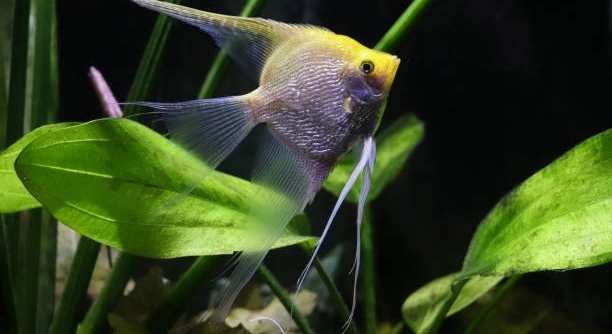
Angelfish are known for their beauty and grace in aquariums, but it can be concerning when they start spitting out their food. This behavior may be puzzling to owners, especially when the fish seem to refuse meals altogether.
The primary reason angelfish spit out food is often related to water quality, stress, or an improper diet. Poor water conditions, fluctuating temperatures, or unappealing food textures can cause them to reject their meals.
There are several factors to consider when dealing with this behavior, and understanding them will help ensure your angelfish stays healthy and well-fed.
Water Quality and Temperature
Water quality is a major factor in angelfish’s eating habits. When the water is too dirty or contaminated, angelfish may feel uncomfortable and refuse to eat. Poor water conditions can cause stress and lead to various health problems. If ammonia or nitrite levels are too high, or if the water pH is unstable, your fish may start spitting out food instead of consuming it. Additionally, fluctuating water temperatures can also create stress. Angelfish prefer water that is consistently warm and stable, typically between 76 and 82°F. If the temperature drops or rises suddenly, they may reject their food.
To maintain good water quality, regular water changes and proper filtration are essential. Test the water regularly for ammonia, nitrites, nitrates, and pH levels. A stable environment is vital for your angelfish to feel secure and healthy, which in turn helps them maintain their appetite.
Ensuring the water temperature and quality are stable will create a more comfortable environment for your angelfish to thrive. This can also prevent behavior like spitting out food.
Stress and Overcrowding
Stress is another factor that could lead to your angelfish spitting out food. Angelfish, like many other species, react negatively to stressors in their environment. One common cause of stress is overcrowding. If there are too many fish in the tank, angelfish may feel threatened or territorial, causing them to become less likely to eat. Overcrowded tanks also make it harder to maintain water quality, which adds to the problem.
To avoid overcrowding, ensure you have enough space for each fish. Angelfish typically require 10 gallons of water per adult fish. This allows for proper swimming space and helps reduce the stress caused by competition for territory. Creating a peaceful tank environment with adequate space will help encourage your angelfish to eat.
By managing tank size and ensuring each fish has enough space, you’ll minimize the stress that could be preventing your angelfish from eating properly.
Improper Diet
If your angelfish is spitting out food, it could be due to an improper diet. Angelfish are picky eaters and may reject food that doesn’t meet their preferences. They thrive on a varied diet consisting of high-quality flakes, pellets, and occasional live or frozen foods. If you feed them the wrong type of food, they may lose interest and spit it out.
Make sure the food is sized appropriately for your fish. Overly large pieces can be difficult for them to eat, especially if they are young or have small mouths. Offer a variety of foods to keep their diet interesting and balanced, as this will encourage them to eat regularly.
A nutritious and varied diet is essential to keeping your angelfish healthy and feeding regularly. If your fish isn’t eating, adjusting the type or size of the food can often solve the issue.
Poor Tankmates
Tankmates that are too aggressive or disruptive can make your angelfish feel threatened and less likely to eat. When angelfish feel unsafe, they may focus more on avoiding other fish than on eating their food. Aggressive tankmates can cause stress, which may lead to your angelfish rejecting its meals.
Consider the temperament of the other fish in the tank. Aggressive species or fish that constantly chase your angelfish will likely cause them to lose their appetite. On the other hand, peaceful species can help reduce stress levels, creating a more comfortable feeding environment.
The presence of peaceful tankmates and an overall harmonious environment plays a key role in encouraging your angelfish to eat.
Uneaten Food Left in the Tank
Leaving uneaten food in the tank can quickly become a problem. It leads to water contamination, which could stress your angelfish and cause them to spit out food. Leftover food breaks down and releases harmful substances, further degrading water quality.
To prevent this, remove any uneaten food after about 5 minutes. This will not only keep the tank cleaner but also help maintain good water quality, which in turn supports your angelfish’s health and appetite. It’s a simple but effective way to keep the feeding process smooth.
Food Texture
Sometimes, the texture of the food is simply not to your angelfish’s liking. They may prefer softer, more easily chewed foods, such as frozen or live foods, over dry flakes or pellets. If the food is too hard or the wrong texture, they may spit it out.
Experimenting with different types of food, such as freeze-dried bloodworms or brine shrimp, might encourage your angelfish to eat. Offering a variety of textures can help you determine what they prefer and prevent wasted food. It also adds variety to their diet, ensuring they get proper nutrition.
Illness or Injury
If your angelfish is spitting out food and showing other signs of illness, it’s possible that it is unwell. Fish can experience various health issues, such as internal parasites or injuries, which make it hard for them to eat. When fish are ill, they may lose their appetite or have difficulty swallowing.
If you notice any other symptoms, like lethargy, abnormal swimming, or changes in appearance, it’s important to address the issue immediately. Quarantine your fish if necessary and treat any illnesses promptly. Keeping an eye on their behavior can help you catch health problems early.
FAQ
Why is my angelfish spitting out food but still swimming around?
If your angelfish is still active but spitting out food, it could be a sign of stress or water quality issues. Even if they are swimming around, their appetite can be affected by environmental factors. Stress from aggressive tankmates, poor water conditions, or even a sudden change in the environment can cause them to reject food. It’s important to assess your tank’s water parameters and ensure everything is stable. Providing a calm environment with good water quality should help encourage feeding.
How do I know if my angelfish’s food is too large?
If the food is too large for your angelfish to eat comfortably, they will likely spit it out. Angelfish have smaller mouths, so large pellets or pieces of food can be hard for them to handle. To prevent this, make sure you are feeding appropriately sized food. Break large pieces into smaller portions, or switch to flakes or smaller pellets that are easier for them to consume. Adjusting the size of the food will make it more manageable and likely to be eaten.
Can poor water quality be the sole reason for my angelfish not eating?
Yes, poor water quality is one of the most common reasons angelfish stop eating. High levels of ammonia, nitrites, or nitrates in the water can stress your fish and make them reject food. Additionally, unstable pH levels or fluctuating temperatures can cause discomfort, affecting their appetite. Regular water testing and maintenance, such as frequent water changes, are essential to maintaining healthy water conditions and encouraging your angelfish to eat.
Can angelfish refuse food if they’re not feeling well?
Yes, angelfish, like other fish, may refuse food if they are ill or injured. Common health issues that can cause a lack of appetite include internal parasites, infections, or injuries to their mouths. If your fish shows other signs of illness, such as abnormal swimming, lethargy, or discoloration, it’s essential to take action and treat the condition as soon as possible. Quarantining the sick fish and adjusting the water conditions may help speed up recovery.
How often should I feed my angelfish?
Angelfish should be fed once or twice a day, depending on their age and size. Young or growing angelfish may require more frequent feedings, while adult fish can do well with a single daily feeding. Overfeeding can lead to uneaten food left in the tank, which will degrade water quality and contribute to problems. Offer only what your fish can consume in 3-5 minutes to avoid wasting food and maintain a clean tank.
What type of food should I feed my angelfish?
Angelfish thrive on a varied diet, including high-quality flakes, pellets, frozen foods, and live food. They enjoy live or frozen brine shrimp, bloodworms, or daphnia. Providing a mix of these food types ensures they get all the essential nutrients needed for good health. It’s also important to include plant matter in their diet, such as spirulina or algae-based foods, as angelfish are omnivores and benefit from a balanced diet.
Could other fish in the tank be causing my angelfish to spit out food?
Yes, aggressive or overly competitive tankmates can make your angelfish feel stressed and cause them to stop eating. Fish that constantly chase or bully your angelfish will likely interfere with their feeding, causing them to refuse food. If tankmates are causing stress, it might be worth rearranging the tank or adding peaceful fish to create a more relaxed environment. Reducing stress in the tank will help your angelfish feel comfortable enough to eat.
How can I tell if my angelfish is stressed?
Stress in angelfish can be seen through several signs. These include erratic swimming, hiding, color changes, and a loss of appetite. If your angelfish is spending most of its time hiding or swimming near the surface, it may be stressed due to poor water conditions, overcrowding, or aggressive tankmates. Keeping the tank clean, ensuring proper water temperature, and reducing stress from tankmates are key steps in alleviating stress in your fish.
Should I change the water in the tank more often if my angelfish is not eating?
If your angelfish is not eating and you suspect poor water quality is a factor, increasing the frequency of water changes can help. Regular water changes remove harmful toxins and ensure the water remains clean and fresh. Aim for 25-30% water changes every week, especially if you notice any signs of poor water quality. This can help restore your angelfish’s appetite by providing a cleaner, healthier environment.
Can angelfish be picky eaters?
Yes, angelfish can be picky eaters. They have specific food preferences and may reject certain types of food if they do not like the taste or texture. To avoid food rejection, try offering a variety of food options. Experiment with different types of high-quality flakes, pellets, or frozen foods to see what your angelfish prefers. A varied diet not only encourages feeding but also ensures that your fish are getting the nutrients they need.
Is it normal for angelfish to go without eating for a day or two?
It is generally not a concern if your angelfish goes without eating for a day or two. Fish, like angelfish, can occasionally skip a meal without harm. However, if they consistently refuse food for an extended period or show signs of illness, it’s important to investigate further. A change in water quality, stress, or illness could be underlying causes, and addressing these factors can help restore their appetite.
How can I make my angelfish more comfortable to encourage eating?
To make your angelfish more comfortable and encourage eating, ensure that their environment is peaceful and stable. Maintain consistent water temperature, good filtration, and regular water changes. Avoid overcrowding and provide plenty of hiding spaces to reduce stress. Creating a calm and secure environment will encourage your angelfish to eat and thrive.
Final Thoughts
Angelfish are generally hardy and easy to care for, but like any pet, they can face challenges when it comes to feeding. If your angelfish is spitting out its food, it is important to consider several factors. Water quality is one of the first things to check. Poor water conditions, such as high levels of ammonia or low pH, can cause stress and impact your fish’s appetite. Regular water testing and maintenance, including frequent water changes, will help ensure your angelfish remains healthy and comfortable. A clean and stable tank environment can encourage your fish to eat and stay active.
Another important factor is the food itself. Angelfish are known for being picky eaters, so it may take some trial and error to find the food that they enjoy. If you notice that your fish is consistently rejecting certain types of food, try offering different textures or sizes. Some angelfish may prefer live or frozen food, while others may enjoy high-quality pellets or flakes. Ensuring that the food is appropriately sized and easily digestible can make a big difference. It’s also worth considering whether your fish is receiving a balanced diet that includes both protein and plant-based food options.
Lastly, don’t overlook the impact of stress. Angelfish, like all fish, can be affected by aggressive tankmates or a sudden change in their environment. Tankmates that are overly dominant or territorial can make your angelfish feel threatened, leading to a loss of appetite. Reducing stress by creating a calm, peaceful environment and providing plenty of hiding spaces will help your angelfish feel safe and more likely to eat. Keeping an eye on the health and behavior of your fish is key to addressing any feeding issues. If your fish continues to refuse food or shows signs of illness, it may be time to consult with an aquarium professional to get to the root of the problem.

Hello,
If you enjoy the content that we create, please consider saying a "Thank You!" by leaving a tip.
Every little bit helps us continue crafting quality advice that supports the health, happiness, and well-being of pets around the world, for pets of all shapes, sizes, and species.
We really appreciate the kindness and support that you show us!