
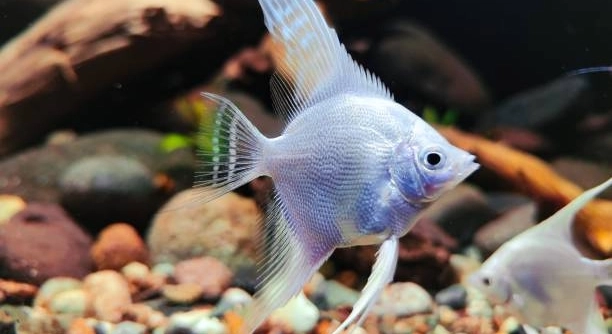
Angelfish are known for their beauty and peaceful nature. However, when they suddenly become territorial, it can be puzzling for their owners. This behavior can indicate underlying changes in their environment or health.
The sudden territorial behavior in angelfish is typically due to factors such as overcrowding, breeding instincts, illness, or water quality issues. These causes can trigger stress or aggression, making your angelfish more protective of its space.
Understanding the root causes of your angelfish’s territorial behavior will help you address the issue effectively and maintain a peaceful aquarium environment.
Overcrowding in the Aquarium
When your tank becomes too crowded, angelfish may feel threatened and territorial. Fish need their space to establish territories, especially when they are more active or aggressive. If you have multiple fish in a small tank, they may compete for resources, leading to stress and unwanted behaviors.
One solution to overcrowding is increasing the tank size or reducing the number of fish.
By providing more space, you allow each fish to claim its own area and minimize aggressive interactions. It’s essential to keep a balanced environment that ensures your angelfish feels secure, thus preventing territorial disputes. Also, consider adding plants and decorations to create separate spaces for each fish. This can help maintain harmony and reduce stress.
Breeding Behavior in Angelfish
Breeding is another common reason for territorial aggression in angelfish. When they’re ready to mate, they become more protective of their space, especially if they are guarding eggs. Female and male angelfish both work together to protect their breeding spot from other fish.
As they become more territorial, other tank mates may feel unwelcome. If you notice your angelfish chasing or becoming more aggressive, it could be a sign they are preparing to breed. It’s important to respect their behavior and give them the privacy they need.
You can also move the breeding pair to a separate tank to reduce stress on the other fish. However, always monitor the conditions closely to ensure the safety and comfort of all your fish during this time. Keeping the tank environment stable will allow the fish to thrive even during their breeding season.
Poor Water Quality
If the water quality in the tank isn’t ideal, your angelfish may feel stressed and territorial. Angelfish are sensitive to changes in their environment, particularly poor water conditions. Ammonia, nitrite, or nitrate build-up can harm their health and cause behavioral changes.
Maintaining proper filtration and performing regular water changes will keep the tank clean. Using a test kit can help monitor the levels of ammonia, nitrites, and nitrates. These chemicals can spike if the tank is overcrowded or underfiltered. When angelfish feel uncomfortable due to poor water quality, they may react aggressively toward other fish.
By improving the tank’s water quality, you can help your angelfish feel more secure and reduce territorial behavior. Regular water changes also prevent the build-up of harmful substances. You should also check the temperature regularly, as fluctuating temperatures can cause stress. Keeping the tank’s water stable and clean will not only benefit the fish’s health but also reduce aggressive behavior.
Illness or Injury
Sick or injured angelfish often become more territorial. If an angelfish feels weak or vulnerable, it might defend its space to prevent other fish from approaching. Injuries or illnesses can make them more prone to stress, triggering defensive behaviors.
If you notice your angelfish acting territorial, check for signs of illness such as fading color, loss of appetite, or visible wounds. These could indicate that something is wrong. Isolated or sick fish often need extra care, such as separate tanks for recovery.
It’s important to provide a quiet, stress-free environment for an ailing angelfish. If you suspect an injury or illness, you should treat it as soon as possible. Keeping the tank clean and avoiding overstocking helps prevent stress that might worsen the fish’s condition.
Aggressive Tankmates
Some fish species can provoke aggression in angelfish, leading them to become more territorial. If you have fast-moving or more dominant fish, angelfish might feel the need to protect their space. This behavior can cause stress for both species.
Choosing peaceful tankmates is essential. Consider adding fish that are not overly aggressive or territorial themselves. Angelfish do well with calm, slower-moving fish like tetras or Corydoras. Avoid mixing them with fin-nippers or fish that will compete for the same space or resources.
Adding a variety of hiding spots and plants can help reduce conflict. This way, each fish has its own space to retreat to when feeling stressed.
Territorial Instincts
Angelfish, like many species, have natural territorial instincts. Even in a peaceful aquarium, they may feel the need to defend certain areas or objects, such as plants, rocks, or the corner of the tank. This can happen at any time, even if they seem calm otherwise.
Territorial behavior is often heightened when they feel their space is threatened, particularly by new fish. Providing enough space for each fish and arranging the tank with plenty of hiding spots can help reduce conflict. This ensures each fish can maintain its territory while avoiding unnecessary confrontations.
Familiarity and consistent tank conditions are key to reducing territorial disputes.
Inadequate Tank Size
The size of your tank plays a big role in territorial behavior. Angelfish need enough space to establish their own territory, and a smaller tank will increase the likelihood of them becoming territorial. If the tank is too cramped, your angelfish might feel the need to protect their space aggressively.
When setting up a tank, always consider the number of fish you plan to keep and the size of the tank. A general rule is that each angelfish needs at least 20 gallons to feel comfortable. Ensuring adequate space will help maintain a peaceful environment and reduce territorial disputes.
FAQ
Why do angelfish become territorial?
Angelfish can become territorial due to a variety of factors. Common reasons include overcrowding, poor water quality, breeding behavior, illness, or stress caused by other tankmates. They may also become more protective of their space if they feel threatened or if they are guarding eggs. It’s important to observe your fish for any changes and identify what may be causing the territorial behavior.
How can I reduce territorial behavior in my angelfish?
To reduce territorial behavior, you can improve the tank environment by ensuring enough space for each fish. Regular water changes and proper filtration are essential for water quality. Adding more hiding places or decorations can give each angelfish its own area to reduce aggression. It’s also a good idea to provide peaceful tankmates that won’t provoke territorial behavior.
Can territorial behavior be a sign of illness in angelfish?
Yes, illness or injury can cause angelfish to become more territorial. When fish are sick or injured, they often feel vulnerable and defensive. Territorial behavior in these cases is a way to protect themselves from other fish. If you notice changes in behavior along with signs of illness, such as faded colors or loss of appetite, it’s best to isolate the affected fish and treat it.
What are the best tankmates for angelfish?
The best tankmates for angelfish are peaceful species that won’t threaten or challenge their space. Fish like tetras, Corydoras, and plecos are often compatible with angelfish. Avoid adding aggressive fish or fin-nippers, as they can provoke your angelfish, causing them to become more territorial.
Should I separate my angelfish when they become territorial?
If your angelfish become overly territorial and aggressive toward each other, it may help to separate them. This is especially true during breeding periods or if the aggression is excessive. You can either move the more aggressive fish to a different tank or rearrange the tank setup to minimize territorial disputes. In cases of illness, separating a sick angelfish can also prevent stress from other fish.
How often should I change the water in my angelfish tank?
For a healthy tank, you should aim to change 25-30% of the water every two weeks. If you have a heavily stocked tank or high levels of waste, you might need to change the water more frequently. Regular water changes help maintain stable water conditions, preventing poor water quality from triggering territorial behavior in angelfish.
Can I reduce territorial behavior by rearranging the tank?
Yes, rearranging the tank can help reduce territorial behavior. Angelfish are less likely to be territorial if they don’t have fixed territories they can defend. By changing the location of plants, decorations, and hiding spots, you can create new spaces for the fish, which may reduce aggression. It’s important to note that rearranging the tank can be stressful for fish, so do this gradually.
Does tank size affect territorial behavior?
Yes, the size of the tank plays a significant role in territorial behavior. Angelfish need plenty of space to establish their own territories. A small tank increases the likelihood of aggression, as fish will feel crowded and may fight for space. A larger tank allows for more freedom and reduces competition for territory, helping to keep the peace.
Can I stop my angelfish from being territorial during breeding?
During breeding, territorial behavior is common and natural. However, you can reduce the impact of this behavior by providing a separate space for the breeding pair. If you have multiple angelfish in the tank, separating the breeding pair into their own area can prevent them from becoming overly aggressive towards other fish. It’s essential to allow them privacy during this time, as breeding can trigger defensive actions.
How can I tell if my angelfish is stressed?
Stressed angelfish may exhibit behaviors such as hiding, refusing to eat, or becoming more aggressive. They may also display physical signs, like faded colors or rapid gill movement. Stress can be caused by poor water quality, overcrowding, or incompatible tankmates. Reducing stress is key to preventing territorial behavior.
Final Thoughts
Angelfish are peaceful and beautiful creatures, but territorial behavior is common, especially when their environment isn’t ideal. Understanding why this behavior occurs is important in managing it effectively. Whether it’s due to overcrowding, poor water quality, or the presence of aggressive tankmates, addressing the root causes can help reduce territorial disputes. By observing your angelfish closely, you can identify triggers and take action before the problem worsens.
Maintaining a balanced tank with proper filtration and space for each fish is crucial. Regular water changes, careful selection of tankmates, and ensuring the tank is large enough for all inhabitants can go a long way in minimizing territorial behavior. Providing plenty of hiding spots and plants will allow angelfish to establish their own territory without feeling crowded. A peaceful environment is essential for their health and well-being, and it will reduce the stress that often leads to aggression.
Territorial behavior in angelfish is normal, but it doesn’t have to be a constant issue. By addressing environmental factors, ensuring proper care, and managing tankmates, you can help your angelfish feel safe and secure in their space. If the behavior persists despite these efforts, it may be necessary to separate the fish temporarily or adjust the tank setup further. With the right steps, your angelfish can thrive without constant territorial disputes.

Hello,
If you enjoy the content that we create, please consider saying a "Thank You!" by leaving a tip.
Every little bit helps us continue crafting quality advice that supports the health, happiness, and well-being of pets around the world, for pets of all shapes, sizes, and species.
We really appreciate the kindness and support that you show us!