
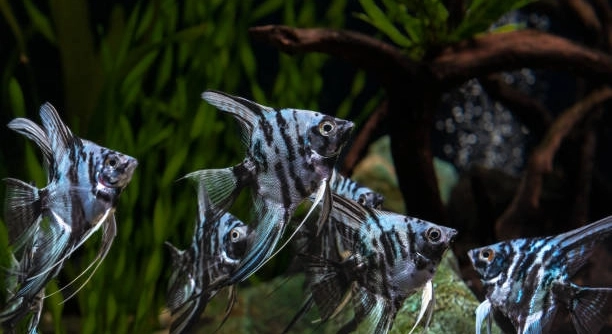
Is your angelfish spending a lot of time floating near the surface, making you wonder if something might be wrong in its tank?
Angelfish often float near the surface due to low oxygen levels, swim bladder issues, stress, or poor water quality. This behavior can signal environmental imbalances that need prompt attention to maintain a healthy aquatic environment.
Learning what causes this behavior can help you make the right changes and prevent further problems for your angelfish.
Low Oxygen Levels
When oxygen levels drop, angelfish may rise to the surface where oxygen is more concentrated. Poor water circulation, high temperatures, or overcrowding can lower oxygen in the tank. If your angelfish are gasping or staying near the top often, it’s important to check your tank’s oxygen. A lack of live plants, insufficient filtration, or a buildup of waste can also contribute to this issue. Making small changes like adding an air stone or adjusting the water flow can help. Oxygen testing kits are useful and easy to use. You’ll want to maintain proper oxygen balance for your fish’s comfort.
A tank thermometer and water test kit can help you manage both temperature and oxygen levels more effectively.
Angelfish thrive in stable conditions. Maintaining oxygen through aeration and regular cleaning can prevent surface-floating behavior. Good filtration, routine water changes, and the right equipment make a noticeable difference in keeping your fish healthy and active.
Swim Bladder Disorder
Swim bladder problems can cause floating near the surface.
This disorder affects the angelfish’s ability to control its buoyancy. Overfeeding is a common cause, especially with dry foods that expand after being eaten. Constipation or bacterial infections can also affect the swim bladder. If your fish is tilting, struggling to stay upright, or drifting uncontrollably, it may be dealing with this issue. To help, try feeding cooked, skinned peas, which act as a natural laxative. It’s also helpful to fast your fish for a day or two and then monitor behavior. Avoid overfeeding in the future, and provide a varied diet. High-fiber foods and occasional live or frozen options can support digestion and reduce the risk of swim bladder trouble. Always quarantine sick fish when possible and consider consulting an aquatic veterinarian if symptoms persist longer than a few days.
Poor Water Quality
Dirty or unbalanced water can quickly affect an angelfish’s health. Ammonia, nitrite, and nitrate levels should always stay within safe ranges. Even small spikes can stress your fish and lead to unusual behavior like floating at the surface.
Regular water testing is essential. Test your tank weekly and after any major changes, like new fish or plants. High ammonia or nitrite levels can burn gills, making it harder for fish to breathe. This often causes them to stay near the top, where oxygen is higher. A 25–30% water change every week helps maintain safe conditions. Clean your filter media gently to avoid killing beneficial bacteria. Overfeeding can also foul the water, so feed in small amounts. If you notice murky water or strong smells, those are signs it’s time for maintenance. Clean, balanced water supports healthier behavior and prevents stress-related issues.
Filters must be properly sized for your tank. Avoid replacing all the filter media at once, as this removes the bacteria that help break down waste. Use dechlorinated water during water changes, and vacuum the gravel to remove debris. If you’re using tap water, test it too—some contain traces of harmful chemicals. Keeping the tank clean goes a long way in helping your angelfish feel better.
Temperature Stress
Sudden temperature changes or extremes can shock your angelfish. They prefer a consistent range between 76°F and 82°F. Water that’s too warm reduces oxygen, while cold water slows metabolism and causes lethargy. Either condition can lead to floating near the surface.
Use a reliable aquarium heater with a built-in thermostat to keep temperatures stable. Place a thermometer on the opposite end of the tank to monitor for hot or cold spots. Avoid placing the tank near windows, heaters, or air conditioners that can cause fluctuations. If your home’s temperature varies, consider using a digital heater for better accuracy. Always acclimate new fish slowly by floating the bag and adding tank water gradually. This helps prevent temperature shock. Stable temperatures not only improve breathing but also reduce stress-related behaviors. Keeping things steady will support long-term health and prevent surface-floating due to thermal discomfort.
Overfeeding
Feeding too much can lead to bloating and digestion problems, causing your angelfish to float near the surface. Uneaten food also pollutes the water quickly, making it harder for your fish to stay healthy and breathe comfortably.
Feed small amounts once or twice a day. Watch to make sure everything is eaten within a couple of minutes. If food remains, you’re likely feeding too much. Skipping a day of feeding can also help digestion and prevent bloating-related issues.
Stress from Aggression
Angelfish can become stressed when bullied or overcrowded. Stress affects their behavior and may cause them to retreat to the surface.
Make sure your tank has enough space and hiding spots. Avoid keeping aggressive tank mates that chase or nip at your angelfish. Watch for signs of constant chasing or damaged fins.
Lighting Conditions
Too much bright light or sudden changes in lighting can startle angelfish. This stress may lead to hiding near the surface or odd swimming behavior.
FAQ
Why does my angelfish swim at the top of the tank?
Angelfish often swim near the surface if the water lacks enough oxygen. This can happen if the tank is overcrowded, has poor water circulation, or if the oxygen levels are low. They may be seeking better airflow at the top of the water.
How can I fix low oxygen levels in my tank?
To increase oxygen levels, you can add an air stone or bubble filter to improve water aeration. Ensuring your tank has a proper filter system and is not overstocked also helps. Regular water changes, along with maintaining good water circulation, also support healthy oxygen levels.
What does it mean when my angelfish is constantly near the surface and has an unusual swimming pattern?
This could be a sign of swim bladder issues. Swim bladder disorder can cause fish to struggle with buoyancy, leading to erratic swimming or floating near the surface. Overfeeding or constipation can be a cause, so cutting back on feeding and offering a laxative like cooked peas can help.
How do I prevent swim bladder problems in my angelfish?
To prevent swim bladder issues, avoid overfeeding and stick to a balanced diet. Be sure to offer high-quality food and include occasional vegetables to support digestion. Fasting your fish for a day or two can help clear any digestive issues that might be affecting buoyancy.
Why is my angelfish staying near the surface with its mouth open?
When an angelfish stays at the surface with its mouth open, it could be a sign of low oxygen or water quality problems. Check the water for ammonia, nitrites, or nitrates, as high levels of these can cause distress. Regular water testing and proper filtration can resolve these issues.
Can water temperature affect my angelfish’s behavior?
Yes, temperature plays a big role in angelfish behavior. If the water is too warm or cold, it can cause stress and irregular swimming patterns. Angelfish thrive in a temperature range between 76°F and 82°F. Keeping the temperature stable will help reduce stress and encourage normal behavior.
How can I make sure my tank’s water quality is healthy?
Regular water testing is essential to ensure that ammonia, nitrites, and nitrates are within safe levels. Perform 25-30% water changes weekly to maintain good water quality. Also, keep your filtration system clean but don’t replace the filter media entirely, as it contains beneficial bacteria that help with waste breakdown.
What causes angelfish to float sideways?
If your angelfish is floating sideways or upside down, it could be due to swim bladder disease or internal issues like constipation or bacterial infections. Overfeeding can also lead to digestive problems, causing the fish to lose buoyancy control. Try fasting your fish for a couple of days and offering vegetables like peas to help clear blockages.
Should I be concerned if my angelfish is spending a lot of time at the top but is not gasping?
While staying at the surface is not uncommon, if your angelfish is not gasping or showing signs of distress, it may just prefer the higher oxygen levels available near the top. However, it’s still important to check the water quality and make sure oxygen levels are optimal.
Can stress cause angelfish to float near the surface?
Yes, stress can lead to abnormal behaviors like floating near the surface. Stressors such as aggressive tank mates, sudden changes in water temperature, or frequent tank disturbances can cause your fish to feel threatened. Adding plants or hiding spots can help your angelfish feel more secure in the tank.
How can I reduce aggression in my angelfish tank?
To reduce aggression, make sure the tank is large enough and has plenty of hiding spaces. Avoid keeping too many males in one tank, as they tend to fight for territory. Providing tank mates that are peaceful and not overly competitive also helps reduce stress and aggression.
Can overfeeding cause angelfish to float at the surface?
Overfeeding is a common cause of floating near the surface in angelfish. Excess food can lead to digestive problems, causing the fish to become bloated and lose buoyancy. Feed small amounts, only what your fish can eat in a few minutes, and avoid feeding them too often.
What is the best diet for angelfish?
A balanced diet for angelfish should include high-quality flakes, pellets, and occasional live or frozen foods such as brine shrimp, bloodworms, and daphnia. Supplementing with occasional vegetables like peas or spinach will help with digestion and prevent issues like constipation and swim bladder problems.
Is it safe to add new fish to my angelfish tank if they are floating at the surface?
It’s generally best to wait until your angelfish’s condition improves before adding new fish. New fish can introduce more stress or diseases to an already vulnerable tank. Make sure your angelfish is healthy and the tank environment is stable before introducing new tank mates.
Can I treat swim bladder problems at home?
Yes, swim bladder problems can often be treated at home by fasting your fish for a few days and then offering high-fiber foods like peas to aid in digestion. If the problem persists, consider isolating the fish in a separate quarantine tank and consulting a veterinarian.
Final Thoughts
Angelfish can spend time near the surface for various reasons, including water quality issues, overfeeding, stress, or even swim bladder problems. It’s essential to address each potential cause methodically to ensure your fish’s well-being. By monitoring the water quality regularly, adjusting the feeding schedule, and keeping tank conditions stable, you can avoid most common issues. Ensuring a balanced diet and a peaceful tank environment will help your angelfish thrive.
Understanding your angelfish’s behavior is key to identifying any underlying health problems. If they spend too much time at the surface, it’s important to consider factors such as water temperature, oxygen levels, and potential stressors. Making sure the tank is not overcrowded and that your fish have enough space to move comfortably can reduce the likelihood of behavior problems. A good filtration system and maintaining the right temperature also go a long way in keeping your angelfish healthy.
If the issues persist even after taking preventive steps, consulting a professional is always a good idea. Sometimes, swim bladder issues or other health problems require more specialized care. Your angelfish’s behavior can often be an early sign of a bigger issue, and catching it early can help prevent further complications. A well-maintained tank, a proper feeding routine, and regular check-ups will ensure your angelfish stay healthy and happy.

Hello,
If you enjoy the content that we create, please consider saying a "Thank You!" by leaving a tip.
Every little bit helps us continue crafting quality advice that supports the health, happiness, and well-being of pets around the world, for pets of all shapes, sizes, and species.
We really appreciate the kindness and support that you show us!