
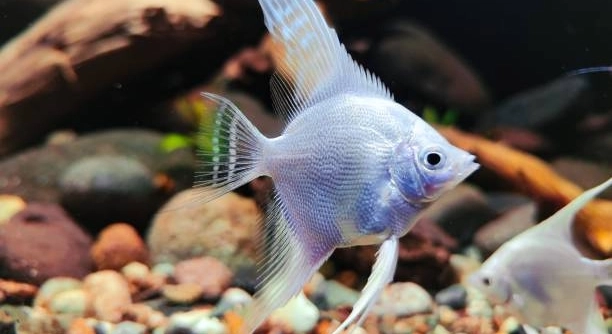
Do you ever notice your angelfish acting restless or hiding more often during the night? Changes in their routine might be the cause.
Several factors can interfere with your angelfish’s sleep cycle, including inconsistent lighting, tank noise, poor water conditions, and stressful tank mates. These disruptions can affect their overall health, behavior, and long-term well-being if not addressed.
Recognizing these common causes can help you create a peaceful, stable environment that supports better sleep for your angelfish.
Bright Lights at Night
Too much light at night can confuse your angelfish and interrupt their natural rest pattern. These fish need a clear difference between day and night to feel secure enough to sleep. Constant lighting, whether from overhead tank lights or nearby room lights, can overstimulate them and leave them restless. Over time, this can lead to fatigue, stress, and changes in behavior like hiding or reduced appetite. If your tank is in a room that stays lit at night, it helps to use a timer on the tank light and avoid direct exposure to external light sources. Covering the tank with a breathable cloth during nighttime hours can also help block out surrounding lights without affecting airflow. Creating a dark, calm setting for at least 10 to 12 hours a night gives your angelfish the consistent rest they need to stay balanced and healthy.
Even gentle lighting from electronics or hallway bulbs can make a difference.
If your angelfish appear uneasy after dark, consider changes to their light exposure. Regular lighting cycles support sleep and reduce stress.
Sudden Tank Disturbances
Loud noises, tapping on the tank, or rapid water movement at night can startle your angelfish. These disturbances break up their rest and may lead to long-term stress. Tanks near busy areas of the house are more prone to unexpected movement or sound. It’s helpful to place the tank in a low-traffic spot away from speakers, televisions, or heavy foot traffic. Equipment such as filters or air pumps can also make sleep difficult if they’re too loud or inconsistent. Choose quiet-running gear and check for vibrations or sudden changes in water flow that might unsettle your fish. If cleaning or maintenance must be done at night, try to keep it gentle and quick. Angelfish feel safest in a stable, peaceful environment, especially after lights go out. Keeping their surroundings quiet helps them rest better and lowers the chance of stress-related issues developing over time.
Inconsistent Lighting Schedules
Erratic lighting patterns can confuse your angelfish and interfere with their internal clock. Lights turning on and off at random times cause stress and disrupt rest. Stability in light timing is important for their sleep and daily behavior.
Setting up a timer for your aquarium light is an easy way to create a consistent day-night rhythm. Aim for around 10 to 12 hours of light per day, followed by a calm, dark environment at night. Sudden changes, like turning lights on in the middle of the night, can startle your angelfish and prevent them from settling. A stable routine helps signal when it’s time to be active and when to rest. Without this balance, angelfish may become anxious or aggressive. Keeping things steady gives them a sense of control in their environment and reduces unnecessary stress that could affect their health or sleep over time.
A consistent lighting routine also supports tankmates who share the space. If your angelfish live with other fish, coordinated lighting helps keep harmony in the tank. Inconsistent patterns can disrupt the behavior of all species involved. Following a predictable lighting schedule benefits the overall tank environment, encouraging better sleep and lower stress for all fish.
Poor Water Quality
Poor water conditions often affect sleep patterns in angelfish. High ammonia, nitrite levels, or unstable temperatures make them uncomfortable. Rest becomes difficult when the water irritates their skin or gills. Even small changes can throw off their normal rhythm.
Daily checks of temperature and weekly water testing help avoid problems. Ammonia should always be at zero, and nitrate should stay low. A reliable heater keeps temperature stable, especially overnight. When levels are off, angelfish may pace, hide, or stop eating, all signs they are struggling to relax. Poor water quality also weakens the immune system, making them more prone to illness. Keeping the tank clean, filtering properly, and changing water regularly are key steps. Make sure not to overfeed, since leftover food can break down and increase waste levels. A clean, stable environment encourages calm, steady behavior and allows your angelfish to sleep peacefully through the night.
Stress from Tank Mates
Aggressive or overly active tank mates can disturb your angelfish during rest. Constant chasing or territorial behavior causes stress and prevents them from relaxing properly at night.
Peaceful tank mates with similar activity levels are better choices. Monitoring behavior helps you spot signs of stress before it worsens.
Lack of Hiding Spots
Angelfish need secure hiding spots to feel safe enough to rest. Without plants, rocks, or decorations to retreat to, they may stay alert and restless. This constant alertness can affect their health over time. Adding tall plants or vertical structures allows angelfish to hide when they feel vulnerable. Creating visual barriers in the tank reduces stress caused by other fish and gives them a sense of control. Try not to overcrowd the space. A well-arranged tank with quiet corners helps angelfish feel safe, which encourages a more consistent and peaceful sleep cycle throughout the night.
Strong Water Flow
A strong water current can make it hard for angelfish to stay still and rest. Gentle, slow-moving water is best for calm behavior and sleep.
FAQ
How many hours of sleep do angelfish need?
Angelfish usually need about 10 to 12 hours of rest each night. They don’t sleep like humans but enter a low-activity state where they stop swimming and stay in one spot. This rest period helps them stay healthy and reduces stress. Without enough darkness, they may become more aggressive or withdrawn. Their natural rhythm depends on light and dark cues, so having a regular lighting schedule is important. Giving them a calm, dark space at night allows their bodies to relax and recharge. Over time, this supports their immune system and keeps their behavior balanced.
Can angelfish sleep with the lights on?
Not well. Lights being on at night confuse their internal rhythm. Angelfish rely on clear signals between day and night. If the lights stay on, they remain alert and active, which can wear them down. Even dim room lights or screen glow can cause issues. Their eyes don’t have eyelids, so they can’t block out light, making it harder to rest. For proper sleep, turn off the aquarium light and reduce surrounding room light. A consistent light-off period helps them get the rest they need without interruptions.
What are signs that my angelfish isn’t sleeping well?
You might notice constant pacing, hiding more than usual, or changes in appetite. They may also act more aggressive or jittery during the day. Poor sleep affects their mood and behavior. Sometimes their colors fade slightly if they’re stressed from not resting enough. In a calm state, they hover or stay close to plants or tank corners. If they seem overly alert at all hours, it’s worth checking the light schedule, tank noise, and water conditions. Small adjustments in their environment can help them return to normal rest patterns.
Do angelfish need complete darkness at night?
Not total darkness, but it should be fairly dim. A small night light in the room usually won’t hurt, but bright tank lights or strong surrounding lights will keep them awake. Darkness signals it’s time to rest, helping regulate their daily rhythm. Using a timer for tank lights is one of the easiest ways to maintain a regular cycle. If needed, you can gently cover the tank with a breathable cloth to block out extra light. Just make sure there’s still enough air flow and no rise in temperature.
Can stress stop my angelfish from sleeping?
Yes, stress is one of the main reasons angelfish struggle to rest. It may come from aggressive tank mates, poor water quality, or sudden changes in their environment. Even too much human activity near the tank at night can keep them alert. A calm, stable setting is important for proper sleep. Reduce loud sounds, avoid sudden movements, and make sure water conditions stay steady. Providing enough hiding spots also helps reduce stress levels, making it easier for them to settle at night.
Do angelfish have a specific sleep position?
Yes, they usually hover in place or rest near plants, corners, or the tank bottom. Their fins stop moving as much, and they stay mostly still. They may tilt slightly or seem less alert, but this is normal during rest. If disturbed, they react quickly and resume swimming. As long as their gills move steadily and they aren’t gasping or laying sideways for long periods, this resting posture is healthy. Understanding these behaviors makes it easier to notice if something is wrong with their sleep or overall condition.
Is it okay to watch them sleep?
It’s fine to observe them quietly, but avoid shining lights or tapping on the glass. Any movement or sudden change in lighting can wake them up. If you want to check on them at night, use a soft, dim light from a distance. Respecting their rest time is important for their well-being. Repeated disturbances can lead to stress or behavior changes. Try to keep nighttime hours calm, quiet, and undisturbed. The more peaceful the environment, the better your angelfish will sleep and stay healthy.
Final Thoughts
Sleep is an important part of your angelfish’s health. Like many fish, they follow a natural day and night rhythm. When that rhythm is disturbed, it affects how they behave, eat, and feel. Light, tank mates, noise, and even small environmental changes can interfere with their ability to rest. Over time, these disturbances can lead to stress, poor immune function, and unusual behavior. Making sure your angelfish has a calm, dark space to rest each night helps them stay balanced and active during the day. This is especially important in tanks with community fish or near busy areas of your home.
Providing proper lighting and a consistent schedule makes a big difference. Angelfish need a clear difference between daytime and nighttime. Turning off lights for at least 10 to 12 hours each night gives them the rest they need. Too much light or a changing schedule can confuse them and lead to poor rest. Along with this, the tank should offer enough hiding spots and have a gentle water flow. These small features allow them to feel safe enough to rest. Avoid sudden noise or movement near the tank once the lights are off. Keeping the tank calm at night helps your angelfish rest more naturally.
Monitoring behavior and making a few small changes can prevent most sleep issues. If your angelfish seems restless, is hiding more often, or acting more aggressive, it may be a sign they aren’t sleeping well. Checking tank lighting, water flow, noise levels, and tank mate behavior can often point to the cause. Once you adjust the tank setup, you’ll often notice your angelfish becoming more relaxed and healthy. Sleep may not be the first thing most people think about when caring for fish, but it plays a key role in their long-term well-being. With a few simple steps, you can give your angelfish a better environment to rest and thrive.

Hello,
If you enjoy the content that we create, please consider saying a "Thank You!" by leaving a tip.
Every little bit helps us continue crafting quality advice that supports the health, happiness, and well-being of pets around the world, for pets of all shapes, sizes, and species.
We really appreciate the kindness and support that you show us!